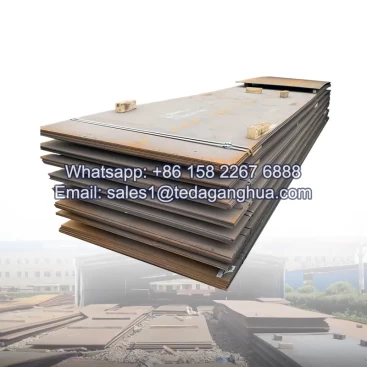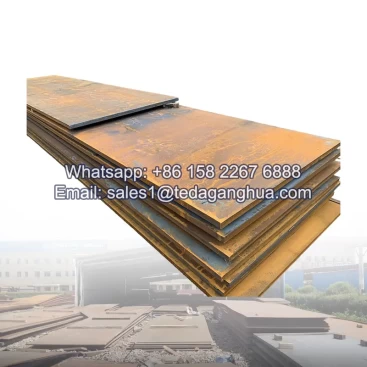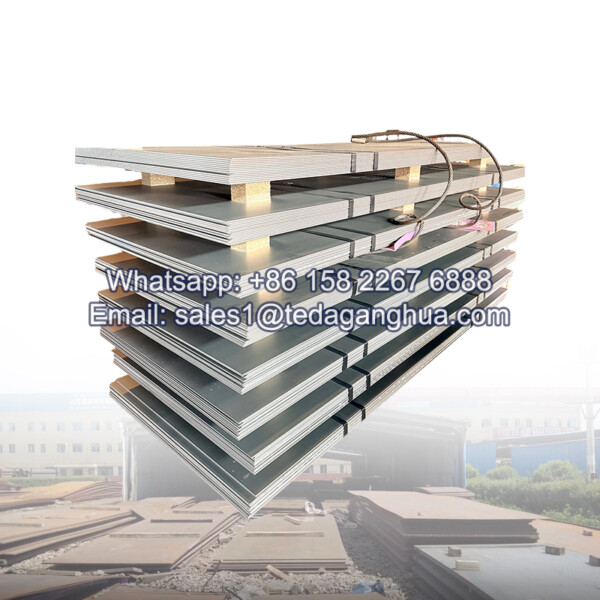
Clad Wear Plate
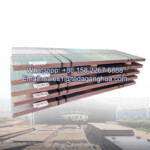
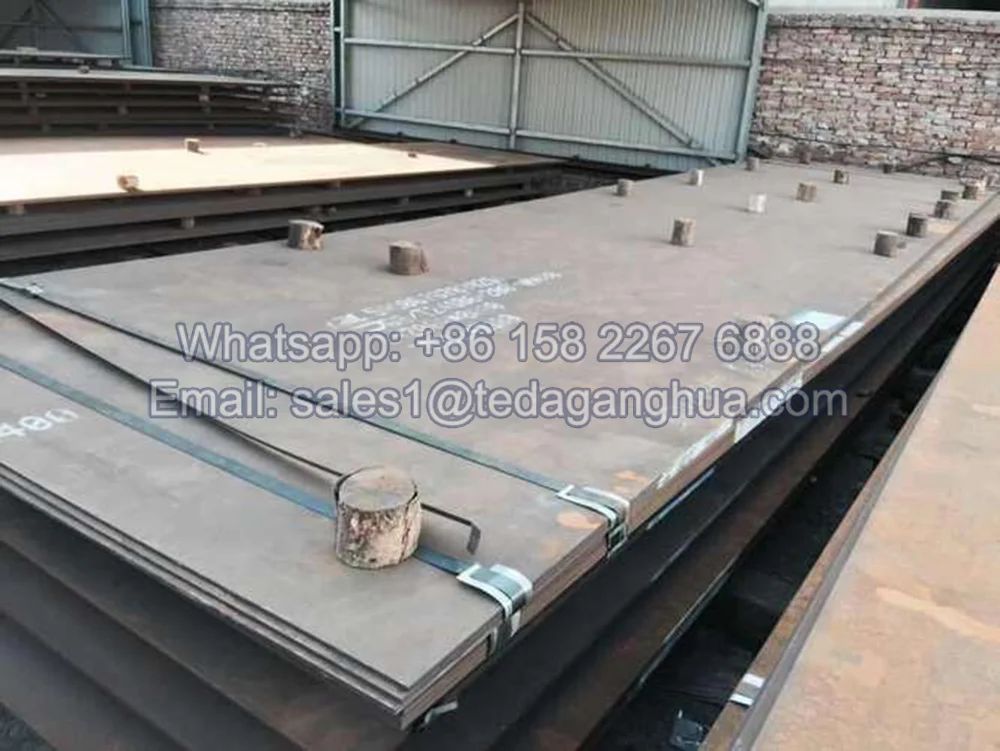
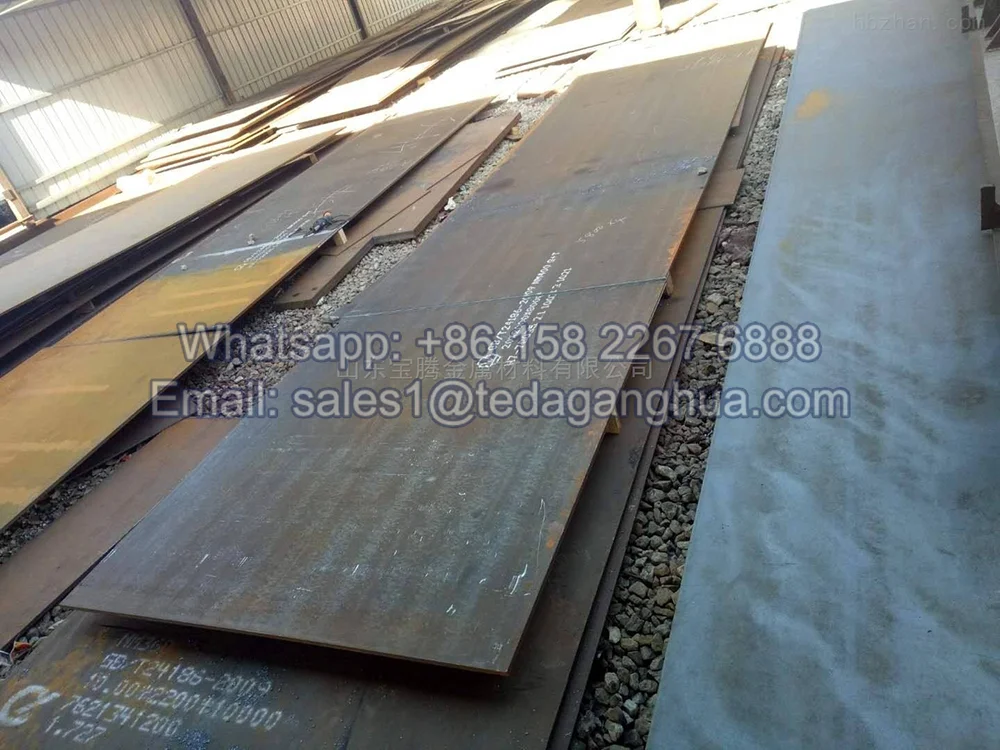
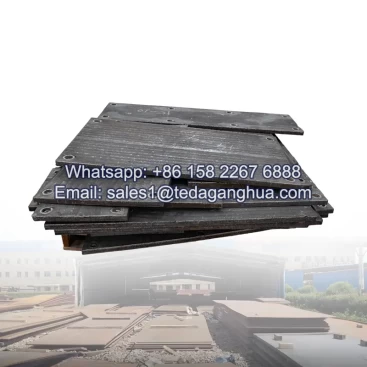
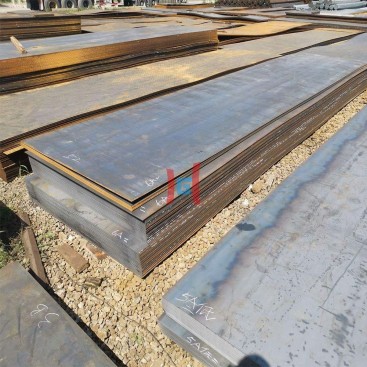
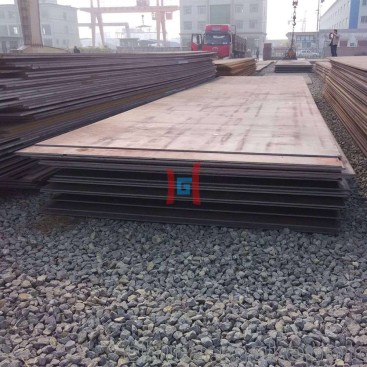
A clad wear plate is an advanced composite wear-resistant material produced by bonding a high-hardness alloy layer onto a structural steel base using welding, explosion bonding, rolling, or laser cladding processes.
Compared with solid AR steels, clad plates offer significantly higher wear resistance while maintaining structural toughness. The combination of a hard surface layer and a tough base makes them ideal for mining, cement, steel, and bulk material handling industries where both abrasion and impact are extremely severe.
- Description
A clad wear plate is a composite abrasion-resistant steel plate manufactured by bonding a high-hardness wear-resistant layer onto a carbon steel or low-alloy steel base plate. It is widely used in mining, cement, steel plants, power plants, and bulk material handling systems where extreme wear and impact conditions exist.
Unlike solid AR steels (such as AR400 or AR500), clad wear plates achieve wear resistance through a surface overlay layer, while the base plate provides strength and toughness.
What Is a Clad Wear Plate?
A clad wear plate typically consists of two main layers:
- Base layer: carbon steel or structural steel (for strength and support)
- Cladding layer: high-hardness alloy (for wear resistance)
The two layers are metallurgically or mechanically bonded to act as a single plate.
Main Manufacturing Processes of Clad Wear Plates
1. Weld Overlay Cladding (Hardfacing)
This is the most common process.
Process Principle:
A wear-resistant alloy is deposited onto the steel surface using welding.
Typical Methods:
- Flux-cored arc welding (FCAW)
- Submerged arc welding (SAW)
- Open arc welding
Cladding Materials:
- Chromium carbide alloys
- High chromium iron alloys
- Martensitic wear-resistant alloys
Key Features:
- Strong metallurgical bond
- Very high wear resistance
- Suitable for thick wear layers
2. Explosion Bonding (Explosive Cladding)
A high-energy bonding process using controlled explosive force.
Process Principle:
- Two metal layers are accelerated at high speed
- High-pressure impact creates a metallurgical bond
Key Features:
- Extremely strong bonding strength
- No melting of base material
- Suitable for large plates
Limitations:
- Higher cost
- Limited thickness control
3. Hot Rolling Cladding
A solid-state bonding process performed under high temperature and pressure.
Process Principle:
- Base plate and cladding layer are heated
- Rolled together under high pressure
Key Features:
- Uniform bonding
- Large-scale industrial production
- Good surface quality
4. Laser Cladding (Advanced Process)
A modern precision coating method.
Process Principle:
- Laser melts a small area of base surface
- Powdered alloy is added and fused
- Forms a metallurgically bonded layer
Key Features:
- High precision
- Low dilution rate
- Excellent wear and corrosion resistance
- Suitable for high-value components
5. Thermal Spray Coating (Less Common for Plates)
Process Types:
- HVOF (High Velocity Oxygen Fuel)
- Plasma spraying
Key Features:
- No deep metallurgical bonding
- Thin coating layer
- Lower cost but weaker bond strength
Structure of Clad Wear Plate
| Layer | Function |
|---|---|
| Hardfacing layer | Wear resistance |
| Transition zone | Bonding interface |
| Base steel | Strength and impact resistance |
This structure allows the plate to handle both abrasion and structural load.
Performance Characteristics
| Property | Performance |
|---|---|
| Wear Resistance | Extremely High |
| Impact Resistance | Good (base dependent) |
| Bond Strength | High (weld/explosion/roll) |
| Hardness | 55–65+ HRC (surface layer) |
| Service Life | 3–10× carbon steel |
Why Clad Wear Plates Have Excellent Wear Resistance
1. Hard Alloy Surface Layer
- High chromium carbides or alloy phases
- Strong resistance to cutting and abrasion
2. Tough Base Steel Support
- Absorbs impact energy
- Prevents cracking and failure
3. Composite Design Advantage
- Combines hardness + toughness in one plate
- Optimized for severe working conditions
Common Industrial Applications
Mining Industry
- Crusher liners
- Hopper liners
- Excavator buckets
- Ore chutes
Cement Industry
- Grinding mill liners
- Kiln inlet/outlet liners
- Material transfer systems
Steel Industry
- Sinter plant equipment
- Coke handling systems
- Conveyor wear plates
Power Plants
- Coal handling systems
- Ash pipelines
- Wear-resistant ducts
Bulk Material Handling
- Truck liners
- Storage hoppers
- Feed chutes
Advantages of Clad Wear Plates
- Extremely high wear resistance
- Long service life in severe environments
- Can be applied on low-cost base steel
- Suitable for large and complex structures
- Strong impact + abrasion performance
- Customizable thickness and alloy layer
Limitations
- Higher cost than standard AR steel
- Welding requires special procedures
- Surface layer is not easily machined
- Not suitable for precision forming after cladding