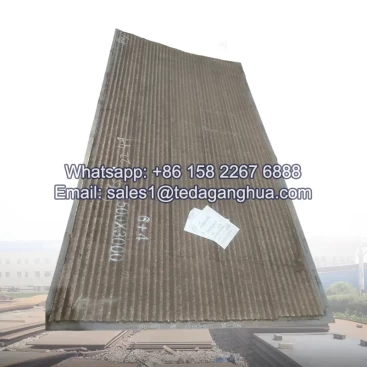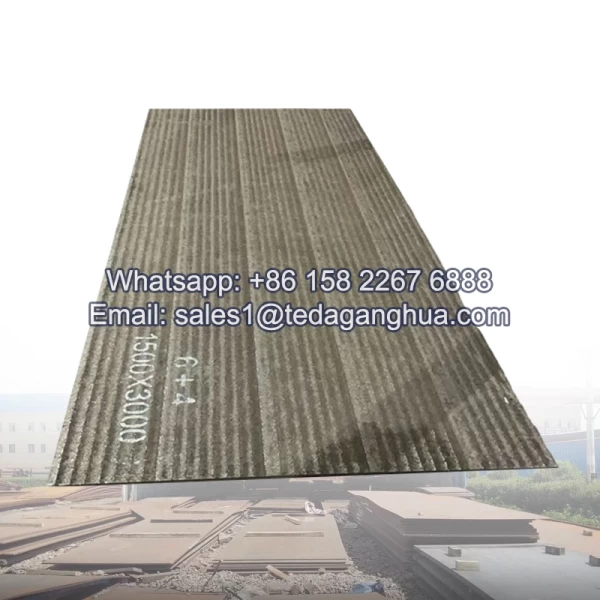
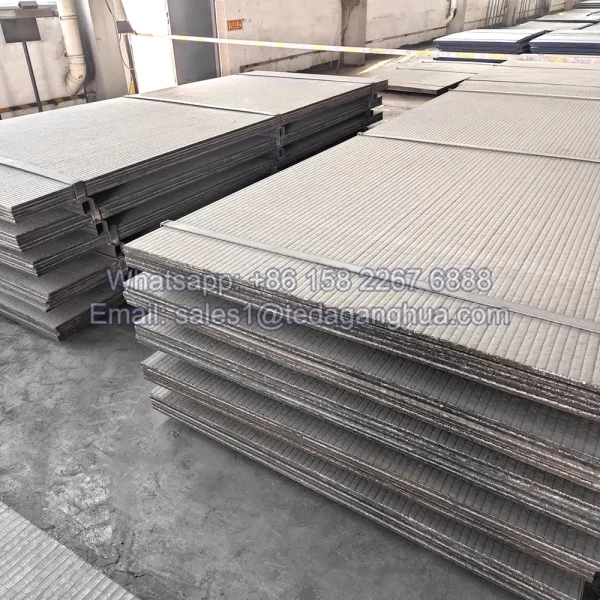
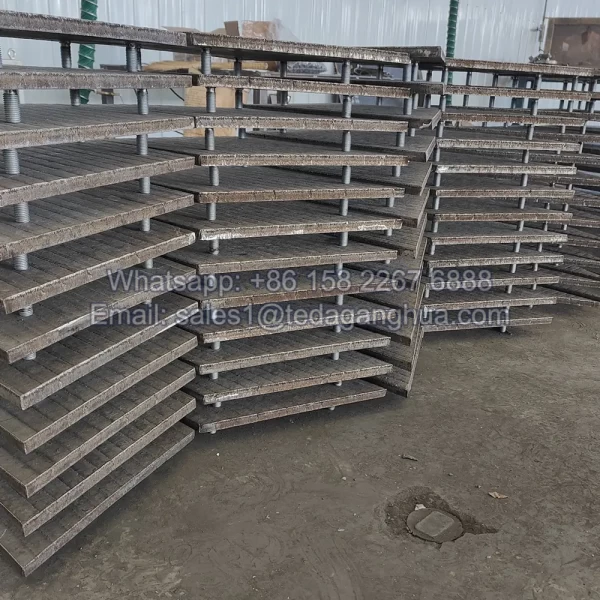
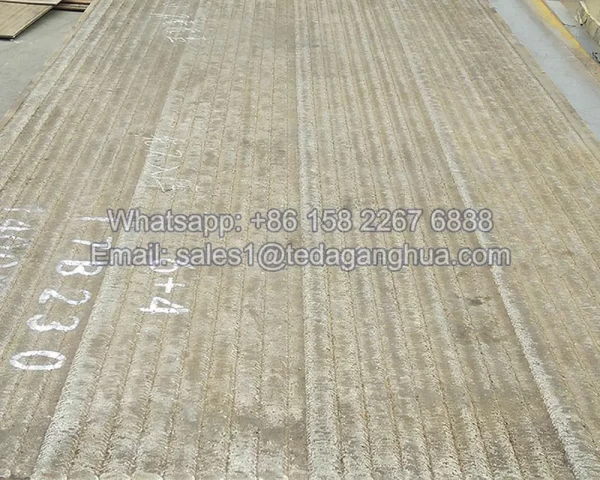
Clad Wear


Clad wear materials include far more than welded hardfacing plates. They also include bimetallic plates, ceramic-lined steel, tungsten carbide composites, cast wear plates, and rubber–steel laminates. Each type is engineered to handle specific wear conditions such as abrasion, impact, erosion, and vibration, making clad wear technology essential in modern heavy industry.
- Description
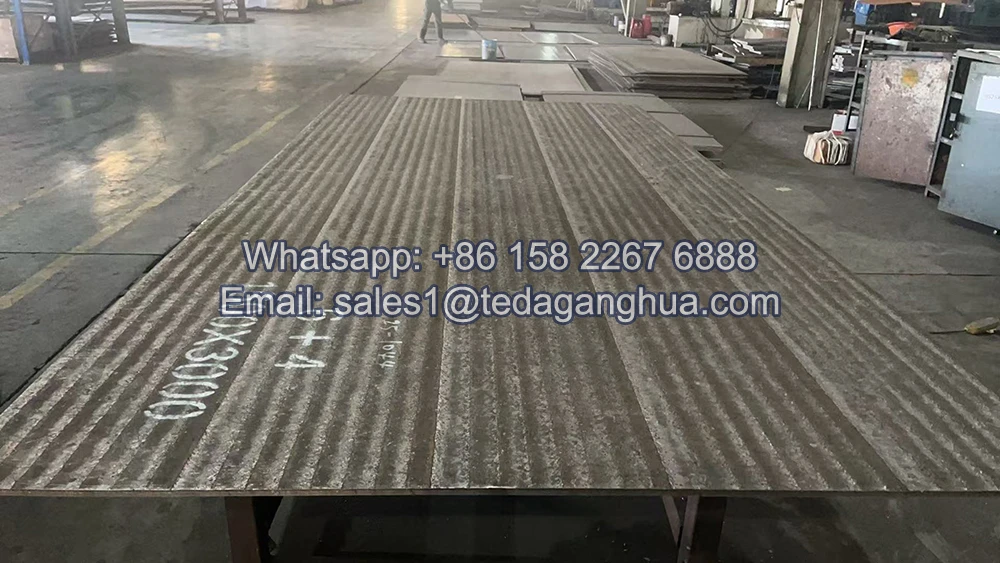
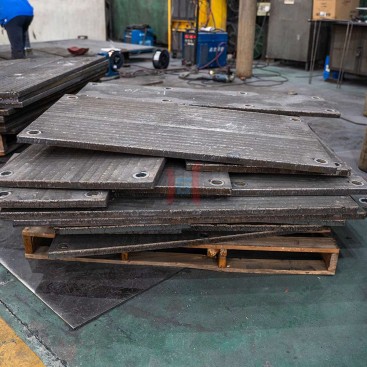
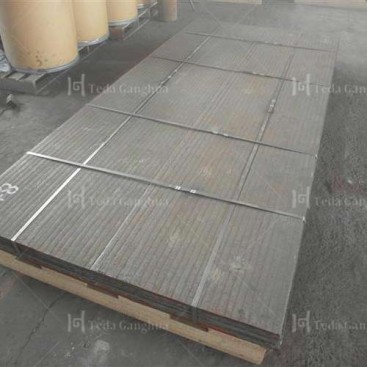
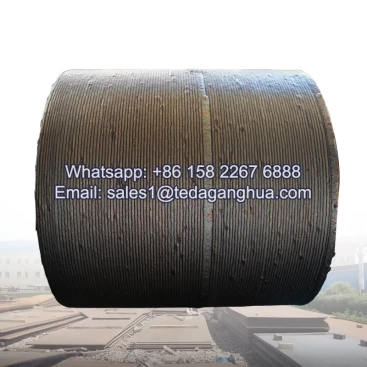
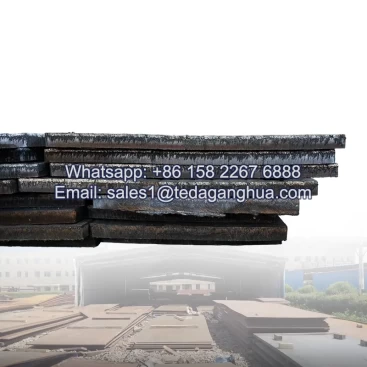
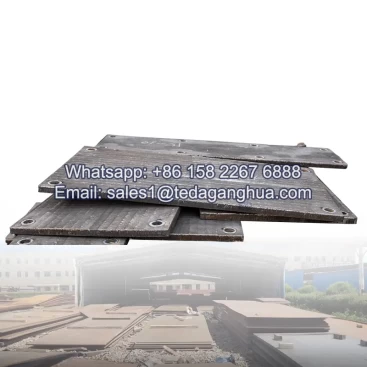
Clad wear materials are composite structures designed to combine a tough steel backing with a highly wear-resistant surface. While chromium carbide overlay (CCO) plates made by welding are the most common type, there are several other important clad and composite wear materials used in heavy industry.
These materials are designed to resist abrasion, impact, erosion, heat, and corrosion.
Main Types of Clad Wear Materials
| Type | Structure | Main Wear Mechanism |
|---|---|---|
| Welded Hardfacing Plate | Welded alloy layer on steel | Abrasion and impact |
| Bimetallic Wear Plate | Bonded hard alloy + steel | Sliding and impact wear |
| Ceramic Lined Plate | Ceramic tiles on steel | Extreme abrasion |
| Chromium Carbide Clad Plate | Carbide-rich overlay on steel | High abrasion |
| Tungsten Carbide Clad | WC particles in metal matrix | Extreme wear |
| Composite Rubber Steel Plate | Rubber + steel layers | Impact and vibration |
1. Bimetallic Wear Plates
These plates consist of:
-
A high-hardness alloy layer
-
A tough backing steel
They are made by:
-
Roll bonding
-
Explosion bonding
-
Casting and bonding
They provide:
-
Strong structural support
-
High abrasion resistance
Used in:
Mining liners, crushers, bulk material handling.
2. Ceramic Lined Wear Plates
These combine:
-
Alumina or zirconia ceramic tiles
-
Bonded to steel backing
They offer:
-
Extremely high hardness
-
Near-zero wear in sliding abrasion
Used in:
Coal transfer chutes, power plant ash systems, cement plants.
3. Tungsten Carbide Clad Materials
These use:
-
Tungsten carbide particles
-
Embedded in a metal matrix
They provide:
-
Maximum resistance to cutting and gouging wear
Used in:
Oil & gas drilling, mining tools, high-wear industrial parts.
4. Cast Composite Wear Plates
These are produced by:
-
Casting a hard alloy layer
-
Metallurgically bonding it to mild steel
They offer:
-
Very thick wear layers
-
Excellent impact resistance
Used in:
Crusher liners, large mining equipment.
5. Rubber–Steel Composite Wear Plates
These use:
-
Rubber layer
-
Bonded to steel
They provide:
-
Noise reduction
-
Impact absorption
-
Corrosion protection
Used in:
Chutes, hoppers, conveyor transfer points.
Why Clad Wear Materials Are Used
Clad wear systems provide:
-
Longer service life
-
Lower replacement cost
-
Customizable wear surfaces
-
Strong structural support
-
Repairability
They outperform single-material steel in severe wear environments.