Chrome Carbide
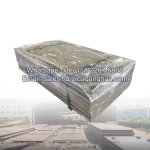

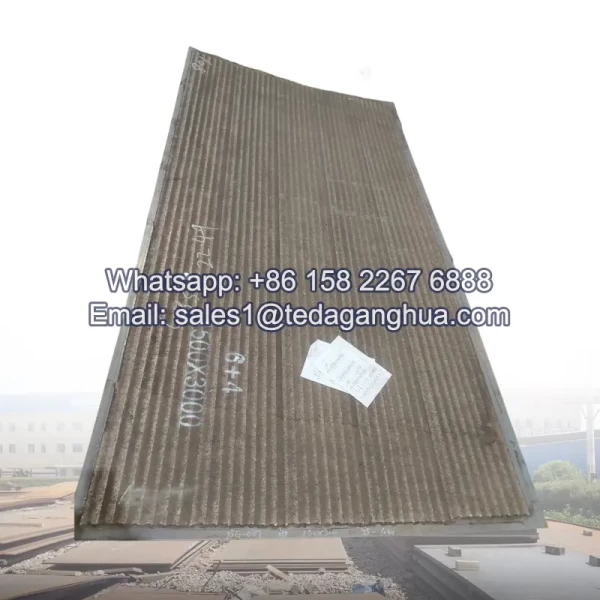
Chrome carbide is one of the most reliable materials for producing wear-resistant coatings, plates, and components.
Its key advantages include:
-
Extreme hardness for abrasion resistance
-
High-temperature stability
-
Excellent corrosion and oxidation resistance
-
Strong bonding with steel substrates
-
Extended lifespan and cost efficiency
These characteristics make chrome carbide a fundamental choice for industrial wear protection — ensuring machinery and equipment maintain strength, durability, and performance under the most demanding operating conditions.
- Description
Chrome carbide, also known as chromium carbide (Cr₃C₂ or Cr₇C₃), is a very hard ceramic compound formed by the combination of chromium and carbon. It naturally occurs as a solid phase within high-chromium alloys or coatings and is well-known for its extreme hardness, high melting point, and excellent chemical stability.
Because of these properties, chrome carbide is one of the most important materials used to create wear-resistant surfaces and protective coatings for metals that operate under severe abrasion or erosion conditions.
Key Properties That Make Chrome Carbide Ideal for Wear Resistance
| Property | Typical Value | Function |
|---|---|---|
| Hardness (HV) | 1050–1250 HV | Resists scratching, abrasion, and metal-to-metal contact |
| Melting Point | ~1895 °C | Maintains structure under high heat |
| Density | 6.7 g/cm³ | Provides dense, tough protection |
| Thermal Expansion | 10.3 × 10⁻⁶ /°C | Compatible with steel substrates |
| Oxidation Resistance | Stable up to 800 °C | Prevents surface scaling and corrosion |
1. Exceptional Hardness and Abrasion Resistance
The most important reason chrome carbide is used in wear-resistant materials is its exceptional hardness.
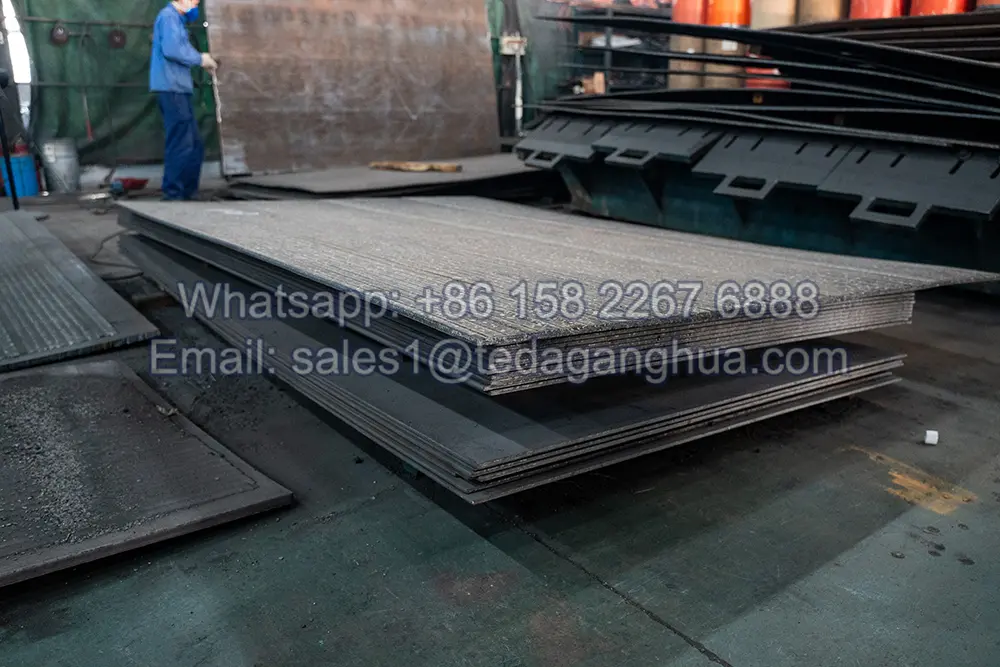
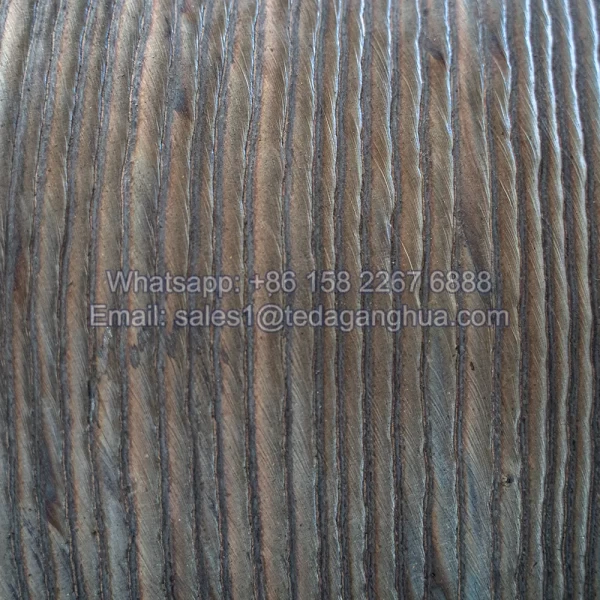
Cr₃C₂ crystals are harder than most industrial abrasives. When distributed across the surface of a steel plate or weld overlay, they form a carbide-rich layer that resists:
-
Sliding wear from other metals or particles
-
Impact wear in crushers, hoppers, and chutes
-
Erosive wear caused by high-speed dust or slurry
This is why chromium carbide overlays are often applied to heavy-duty parts in mining, cement, and construction industries — environments where softer steels would quickly wear out.
2. High Temperature Stability
Unlike many other carbides, chrome carbide maintains its structure and hardness even at high temperatures. It remains chemically and mechanically stable up to about 800 °C, which means the coating continues to protect components exposed to heat, such as boiler tubes, furnace parts, and exhaust systems.
This stability allows the material to be used in both low-temperature abrasive and high-temperature erosive conditions without losing performance.
3. Strong Metallurgical Bonding with Steel
When applied by methods such as HVOF spraying, plasma spraying, or weld overlay, chrome carbide forms a strong metallurgical bond with steel substrates.
This bonding ensures that the hard carbide particles stay anchored even under heavy impact or vibration, preventing peeling or delamination.
As a result, the protective layer lasts significantly longer than simple paint or mechanical coatings.
4. Corrosion and Oxidation Resistance
The chromium element in chrome carbide provides inherent corrosion resistance. When exposed to oxygen, a stable chromium oxide film forms on the surface, blocking chemical attack and further oxidation.
This makes it suitable for harsh environments that contain:
-
Moisture or salt (marine and offshore)
-
Acids and alkalis (chemical and cement plants)
-
Hot gases and combustion residues (power generation)
Thus, components coated or alloyed with chrome carbide exhibit both wear resistance and chemical durability.
5. Cost Efficiency and Longer Service Life
Using chrome carbide in wear-resistant materials reduces downtime and replacement frequency.
Although the production process is more complex, the extended service life — often 20 to 30 times longer than plain carbon steel — leads to significant savings in maintenance and equipment shutdowns.
For industries such as mining, construction, and metallurgy, this balance between performance and cost is highly valuable.
Common Applications of Chrome Carbide-Based Materials
Because of its outstanding hardness and stability, chrome carbide is widely used in:
-
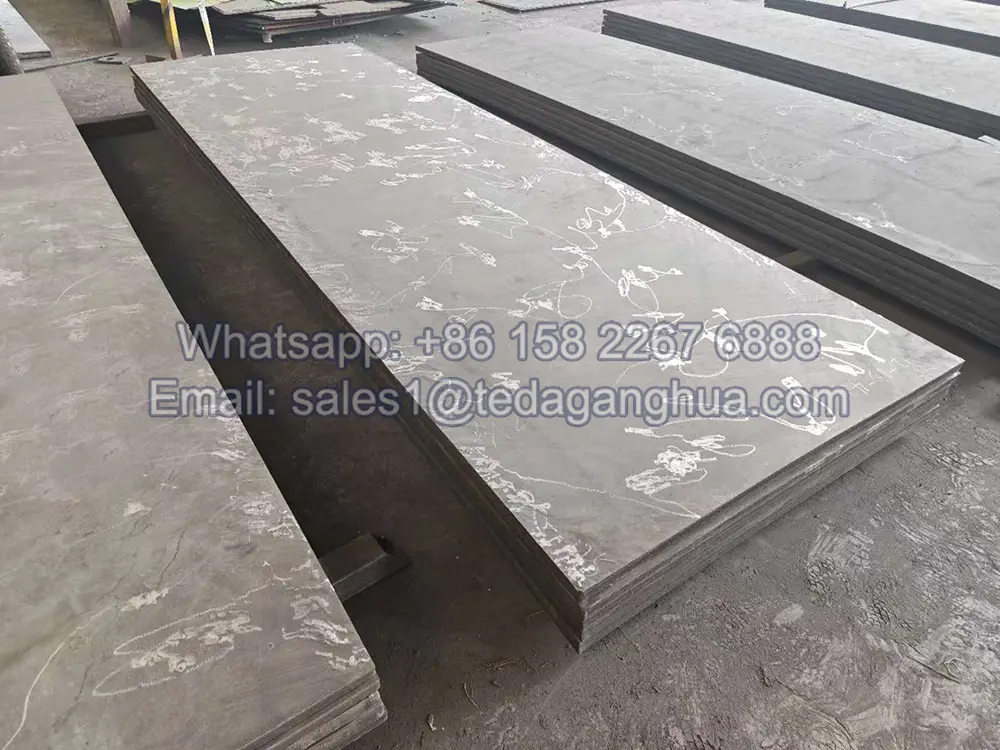
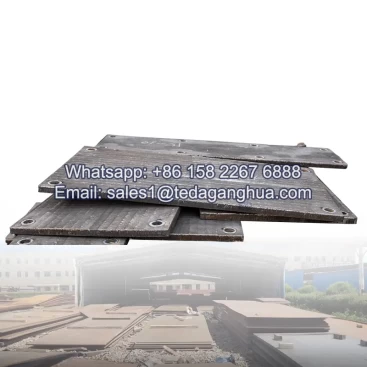
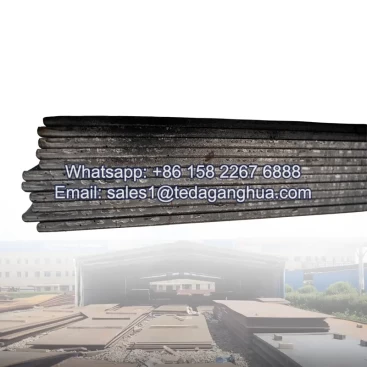
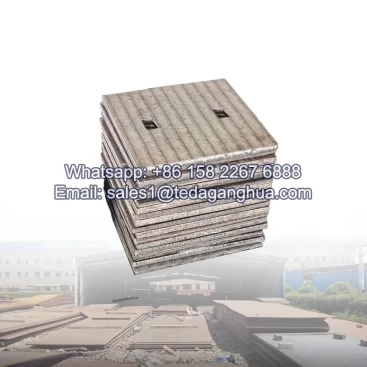
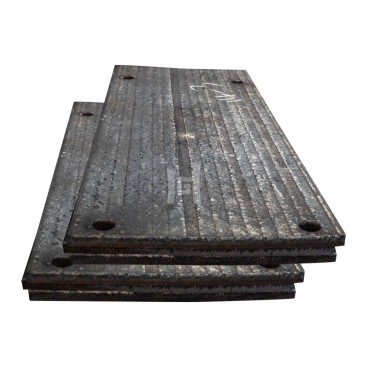
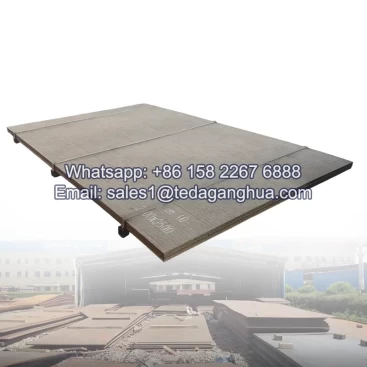
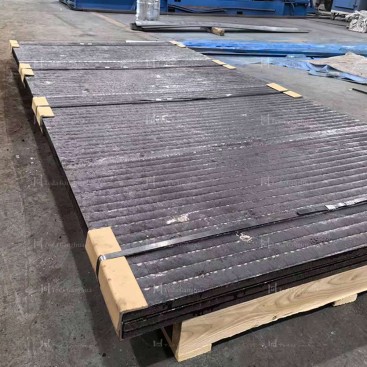
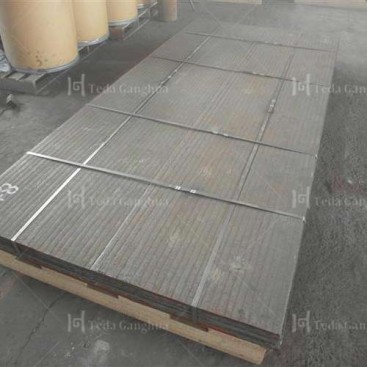
Wear plates and liners for mining and cement machinery
-
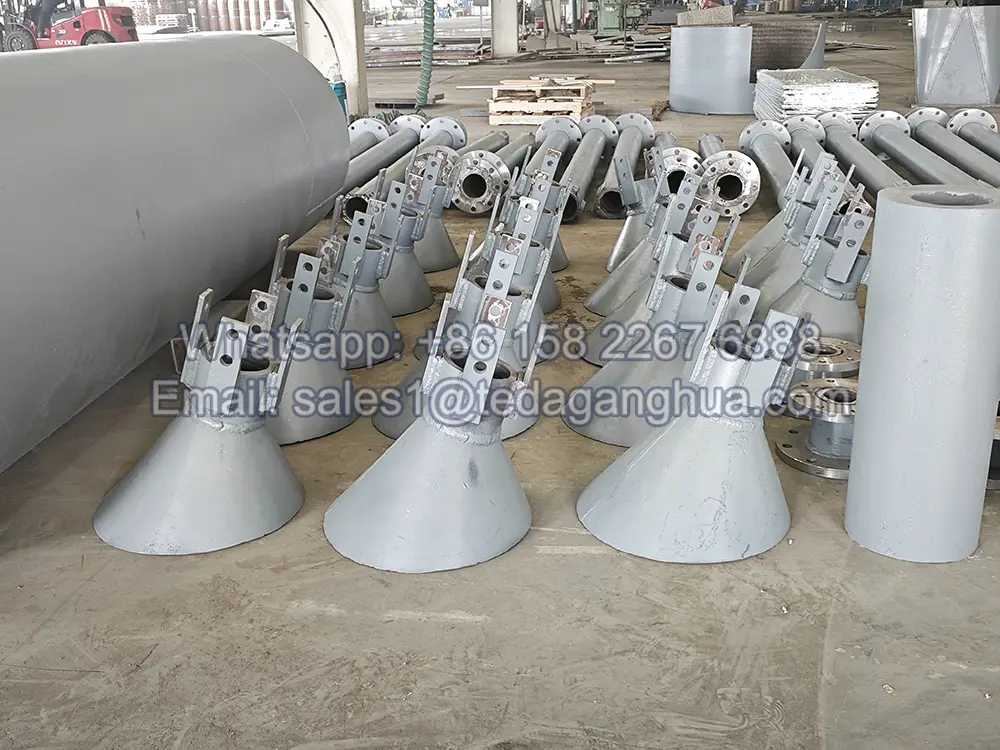
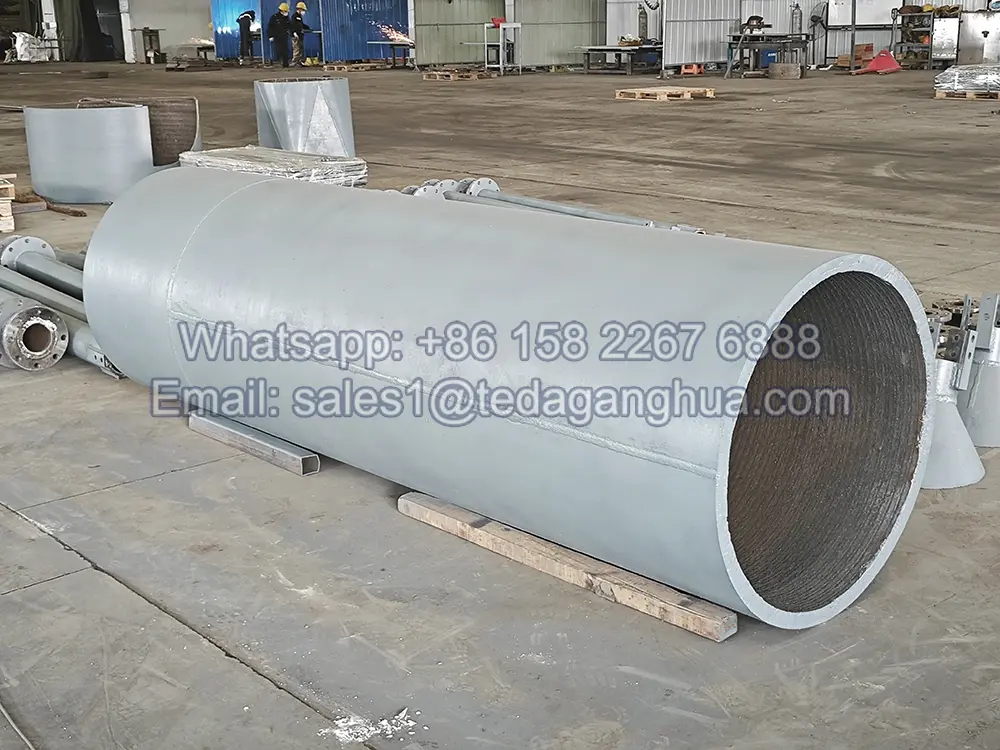
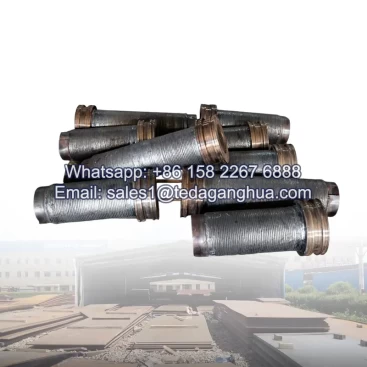
Pipes and elbows for slurry or sand transport
-
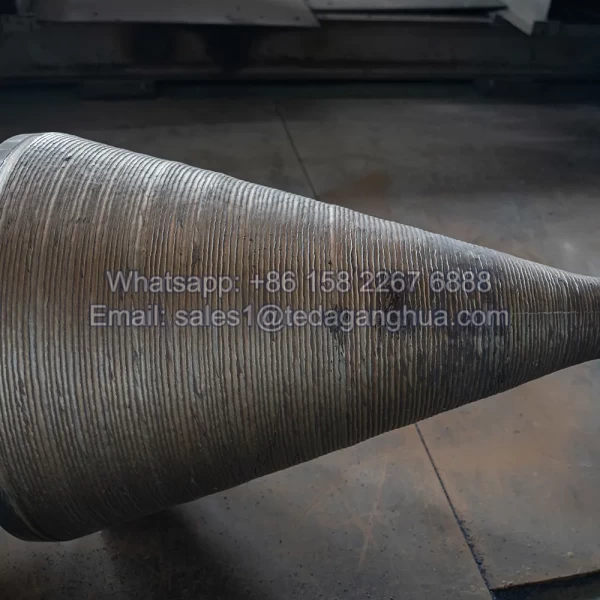
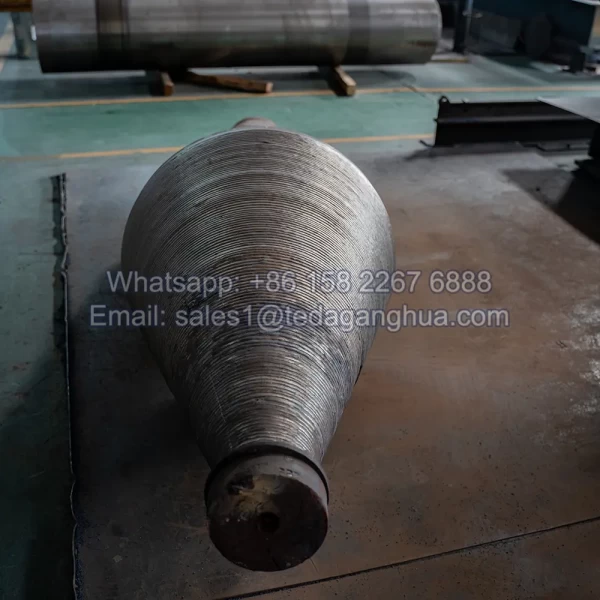
Crusher and excavator components
-
Boiler tubes and heat-resistant parts
-
Cutting and grinding tools
-
Surface coatings for pumps, fans, and valves
In each of these applications, the presence of chromium carbides significantly improves resistance to wear and extends component life.