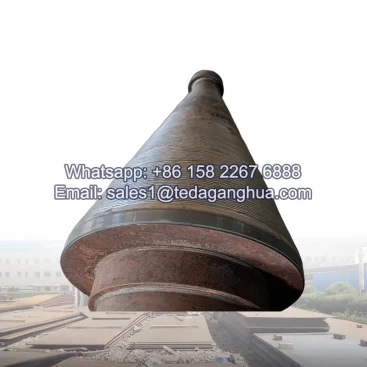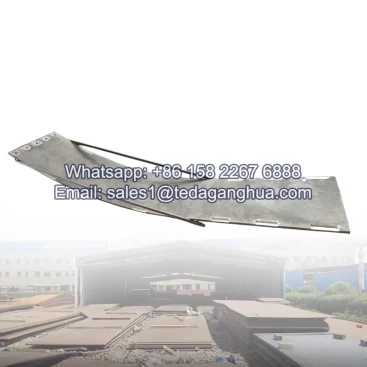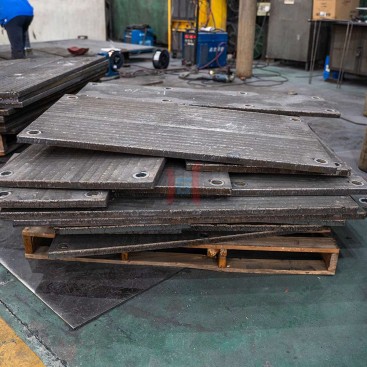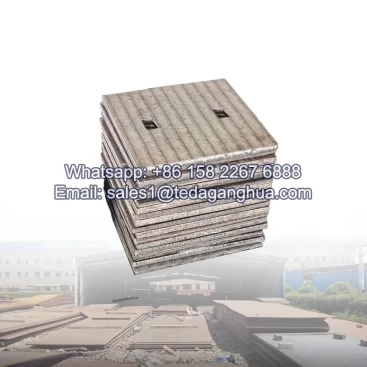
Hardfaced Plate

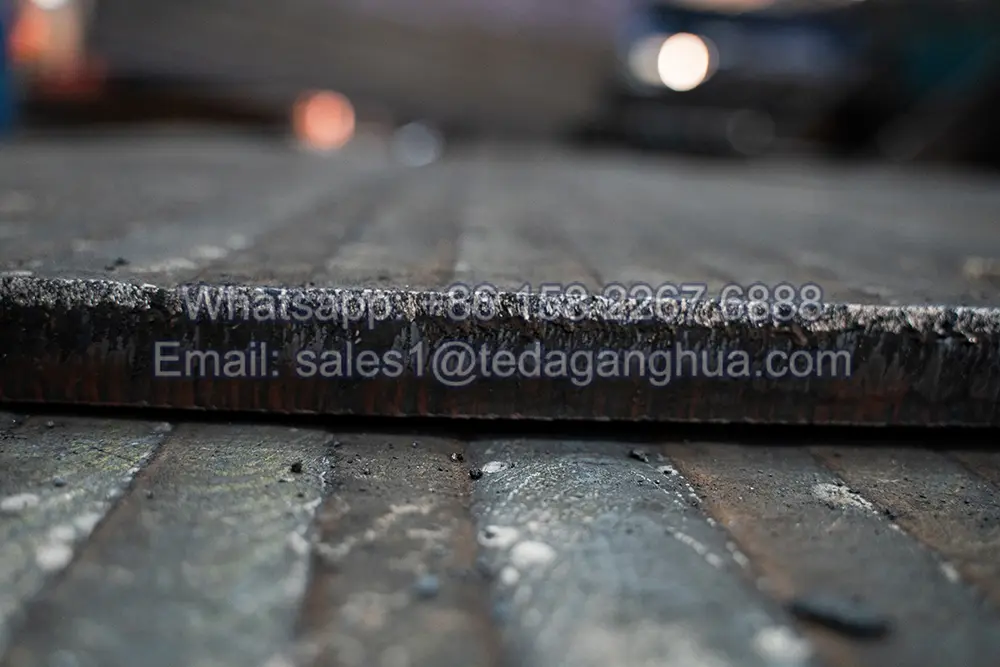
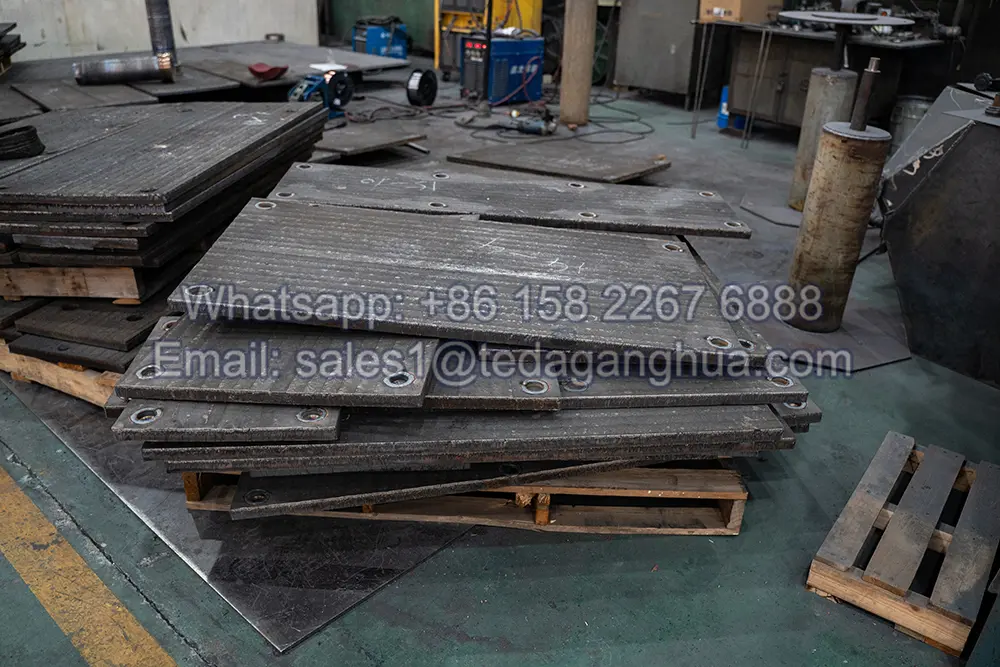
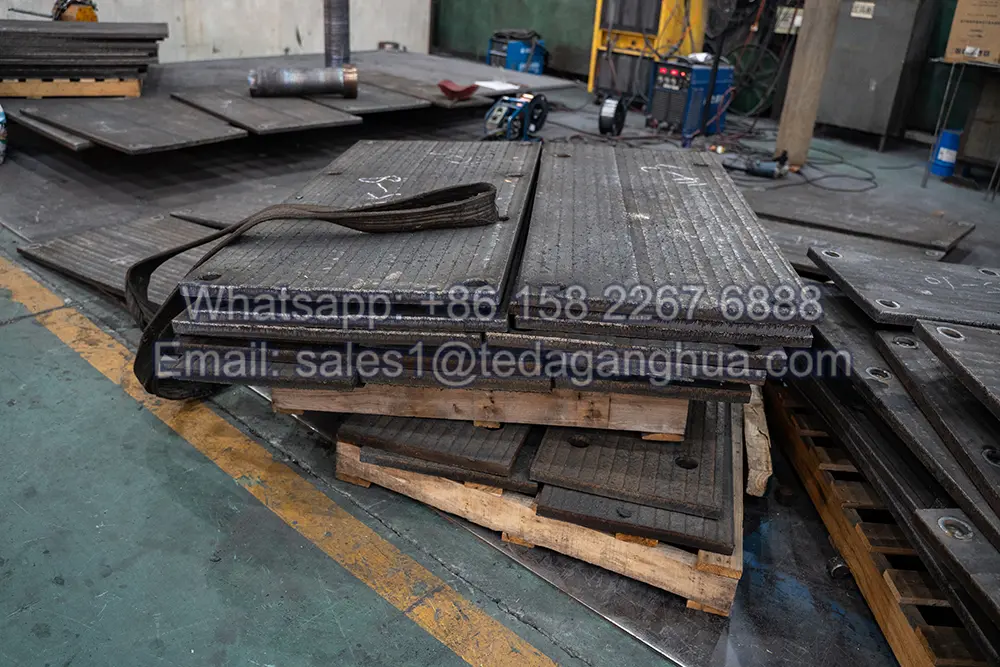
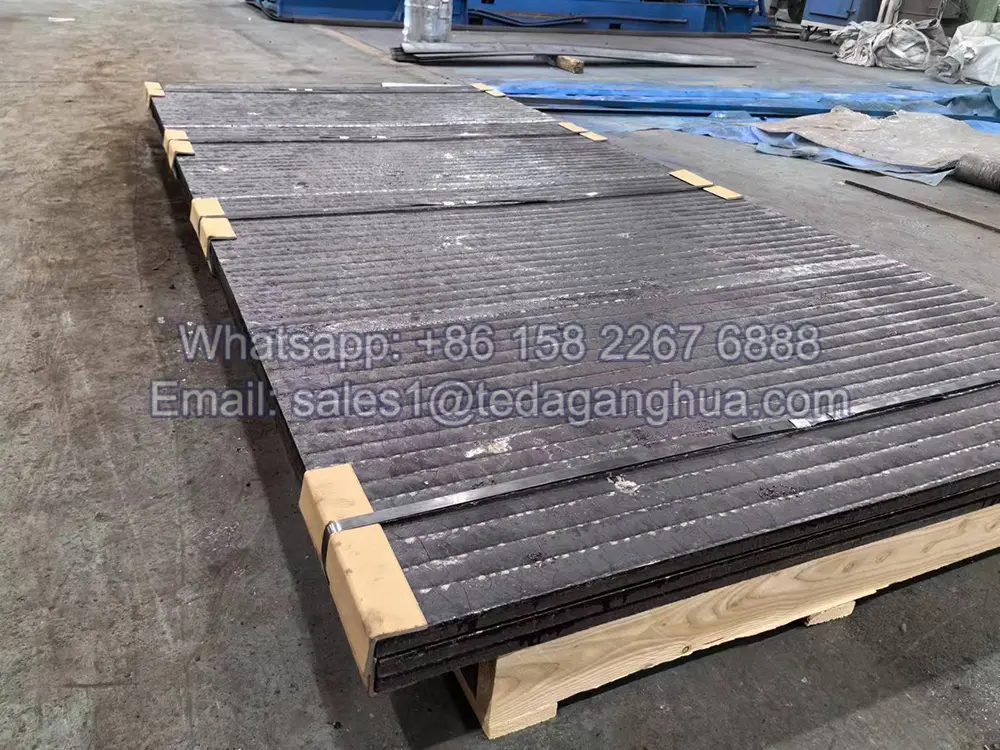
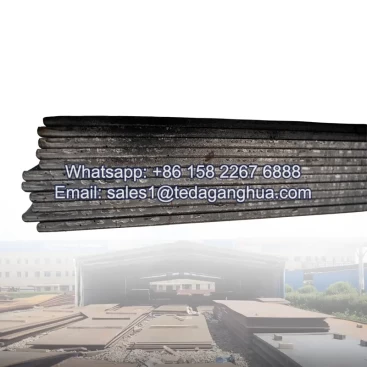
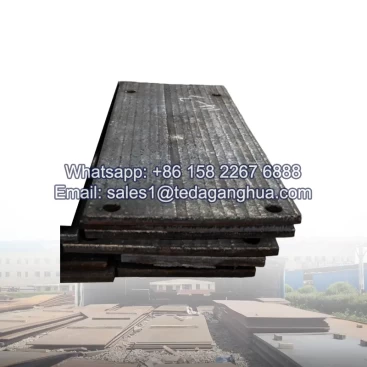
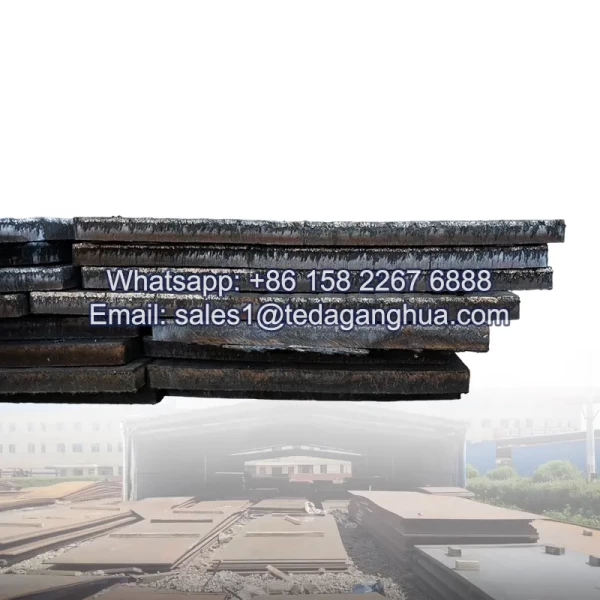
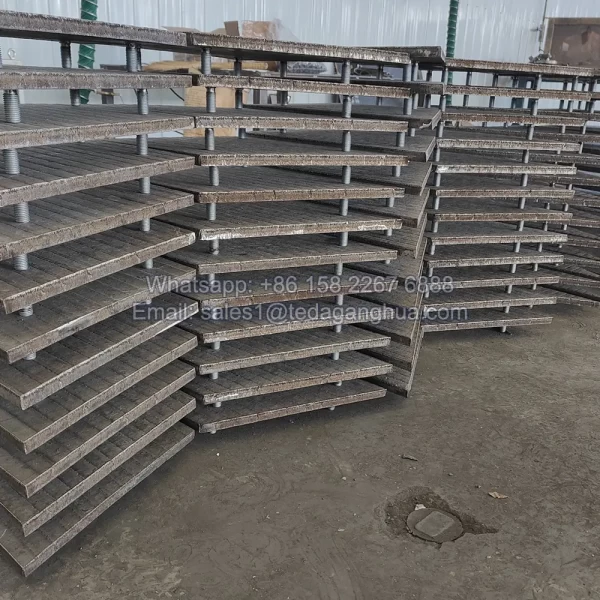
Hardfaced Plates are composite wear-resistant steel plates that combine a hard overlay with a tough steel base.
Through controlled overlay welding, these plates provide maximum protection against abrasion and impact, making them ideal for mining, cement, power, and heavy-duty material handling equipment.
- Description
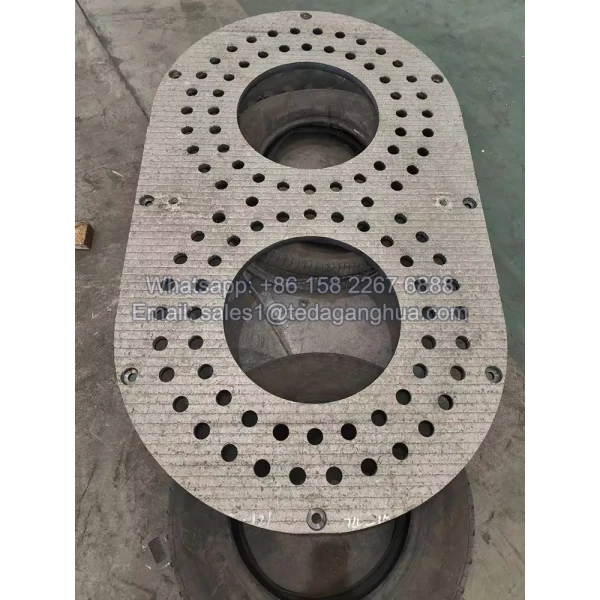
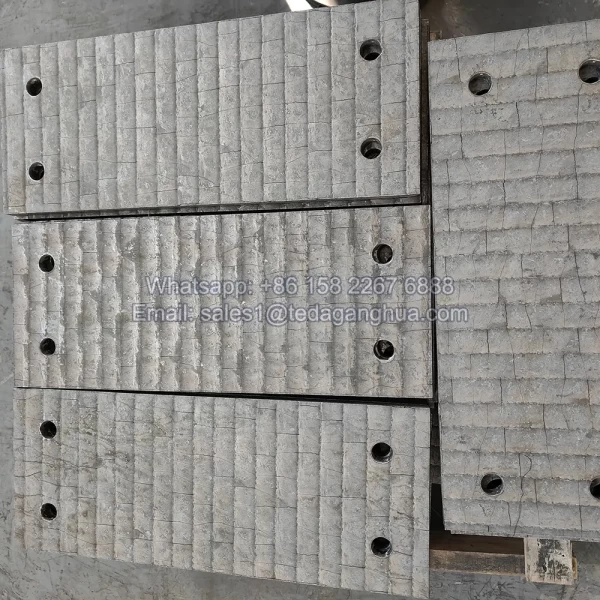
Hardfaced Plates are composite metal plates created by welding a wear-resistant overlay onto a tough steel base.
Also known as bimetallic wear plates, these plates combine:
-
A hard surface layer for extreme wear resistance
-
A tough steel base for impact absorption and structural support
Hardfaced plates are widely used in mining, cement, power, and material handling industries, where equipment is exposed to abrasion, sliding wear, and impact.
Structure of Hardfaced Plates
-
Overlay Layer (Hardfacing Layer)
-
Made of high-alloy steel, chromium carbide, or cobalt-based alloys.
-
Hardness: 50–65 HRC, depending on the material and welding process.
-
Function: Protects against abrasion, erosion, and sliding wear.
-
-
Transition Zone
-
Ensures metallurgical bonding between the overlay and base steel.
-
Slightly lower hardness than the surface to reduce cracking risk.
-
-
Base Steel Layer
-
Typically mild steel, AR/NM wear steel, or structural steel.
-
Provides impact toughness, structural integrity, and welding compatibility.
-
Manufacturing Process
The hardfaced plates are produced through overlay welding techniques:
| Method | Description | Advantages |
|---|---|---|
| Submerged Arc Welding (SAW) | Multi-pass welding of hardfacing wire or strip | High deposition rate, uniform overlay thickness |
| Flux-Cored Arc Welding (FCAW) | Welding with flux-cored wire containing hard particles | Flexible, suitable for small or medium plates |
| Plasma Transferred Arc (PTA) | High-energy plasma deposits overlay powder | Very high hardness, low dilution, precise control |
| Shielded Metal Arc Welding (SMAW) | Manual welding with hardfacing rods | Simple, suitable for repairs or field applications |
Key Considerations:
-
Overlay thickness: typically 3–20 mm
-
Control of dilution between overlay and base (<10–15%)
-
Preheating thick base plates (150–250°C) to prevent cracking
-
Post-weld stress relief and surface finishing for uniform hardness
Typical Hardfaced Plate Grades and Properties
| Grade / Type | Overlay Hardness (HRC) | Base Steel | Overlay Thickness (mm) | Applications |
|---|---|---|---|---|
| HFP-1 | 58–60 | Q235 / mild steel | 3–6 | Chutes, hoppers, light abrasion areas |
| HFP-2 | 60–62 | S355 / NM400 | 6–10 | Crushers, feeders, conveyor liners |
| HFP-3 | 62–64 | NM400 / AR400 | 8–12 | High abrasion and moderate impact areas |
| HFP-4 | 64–65 | AR450 / NM450 | 12–20 | Severe wear zones, mining equipment, slurry pipelines |
Industrial Applications
-
Mining: Crusher liners, hoppers, bucket edges, conveyor troughs
-
Cement & Concrete: Mixer blades, chutes, screw conveyors
-
Power Plants: Coal handling chutes, ash pipelines
-
Recycling & Material Handling: Shredders, impact plates, conveyor liners
Advantages of Hardfaced Plates
-
Extreme Wear Resistance: Overlay layer resists sliding and impact abrasion
-
Impact Toughness: Base steel absorbs shocks, prevents delamination
-
Long Service Life: Up to 5–10× longer than ordinary steel
-
Customizable Design: Overlay thickness, material, and plate size can be tailored to application needs
-
Versatile Fabrication: Can be cut, welded, drilled, or formed