Corten For Sale
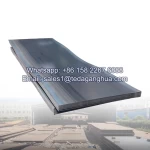

Corten steel is available in two main color variations:
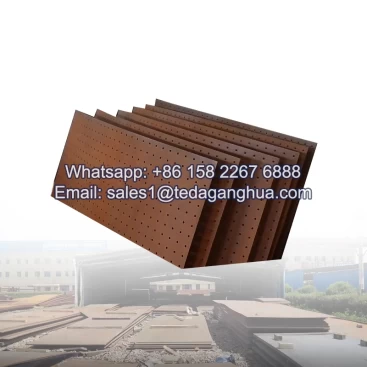
- Reddish-Brown: Classic weathered patina, warm and natural, typical for landscaping and garden applications.
- Deep Black: Sleek and modern, often used for urban furniture or architectural projects.
Both colors are part of the material’s natural weathering and protective process, offering durability, low maintenance, and aesthetic versatility for outdoor use.
- Description
Corten steel, also known as weathering steel, develops a distinctive protective patina when exposed to outdoor conditions. The color of this patina is not uniform and typically appears in two main tones: deep black and reddish-brown. These colors are a result of the oxidation process and the specific environmental conditions the steel is exposed to.
1. Reddish-Brown Patina
- Formation: When Corten steel is exposed to alternating wet and dry cycles, the surface reacts with oxygen in the air and moisture to form a stable rust layer.
- Appearance: The color ranges from orange to deep red-brown, often described as the classic “rusted steel” look.
- Function: This reddish patina acts as a protective barrier that slows down further corrosion, giving the steel a long service life in outdoor environments.
- Applications: Common in garden furniture, planters, decorative screens, and architectural facades where a warm, natural aesthetic is desired.
2. Deep Black Patina
- Formation: Deep black surfaces often appear when Corten steel is either newly fabricated, treated, or has not yet fully weathered. In some cases, chemical or heat treatments are applied to accelerate patina formation and achieve a uniform dark tone.
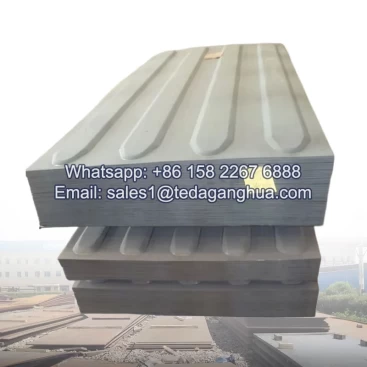
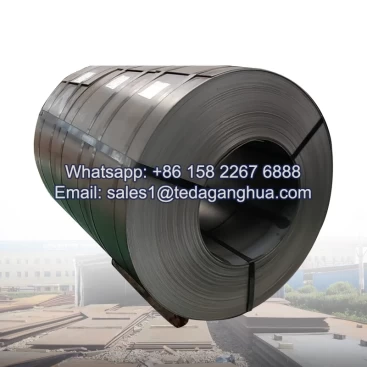
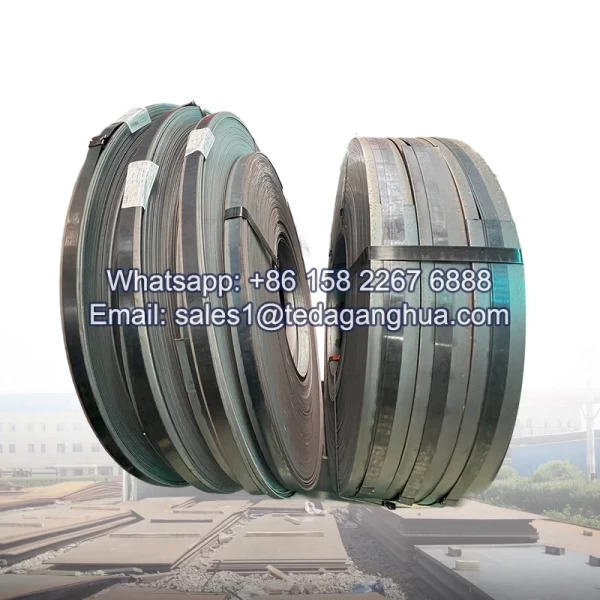
- Appearance: Matte to semi-gloss dark gray to black.
- Function: The black surface still develops a protective layer over time, eventually transitioning to the reddish-brown patina if left outdoors.
- Applications: Preferred in modern urban furniture, sculptures, and architectural panels where a sleek, industrial look is required.
Factors Influencing Color Variation
- Exposure Conditions
- Wet-dry cycles accelerate reddish patina formation.
- Consistently dry or shaded areas may retain a darker color longer.
- Material Thickness
- Thicker plates may take longer to develop a uniform red-brown patina.
- Surface Treatment
- Pre-rusting or chemical treatments can produce either deep black or uniform reddish surfaces.
- Climate
- Humid or rainy climates promote faster oxidation and redder tones.
- Arid climates tend to slow patina formation, keeping surfaces darker initially.