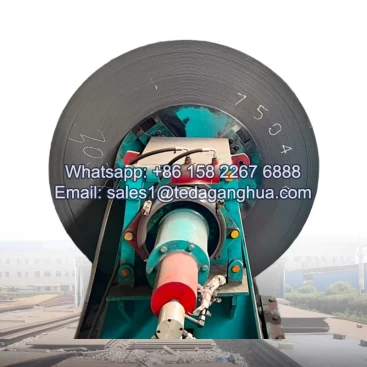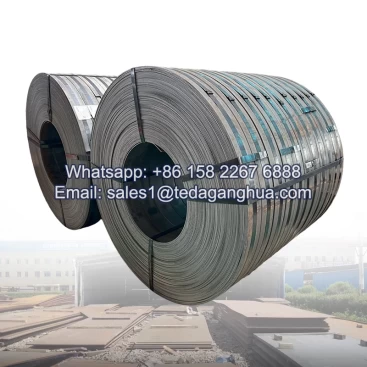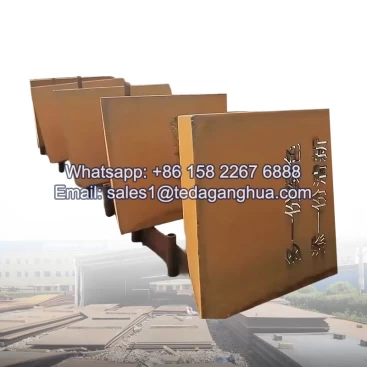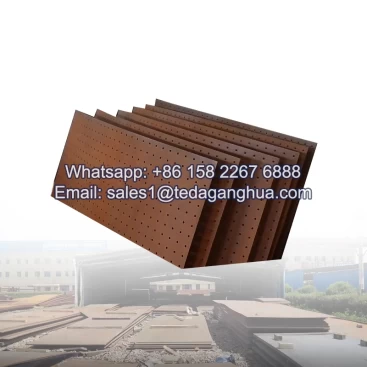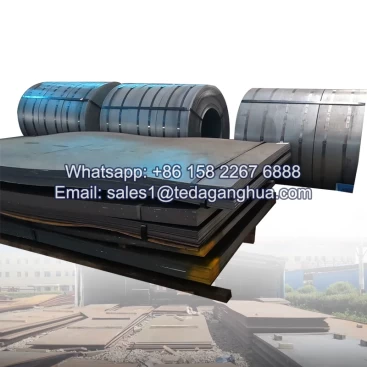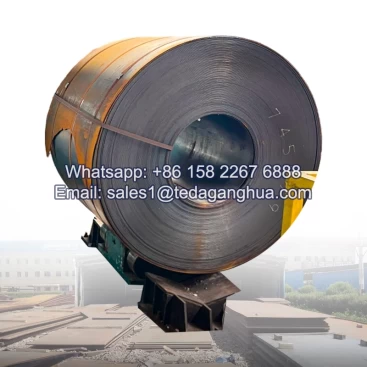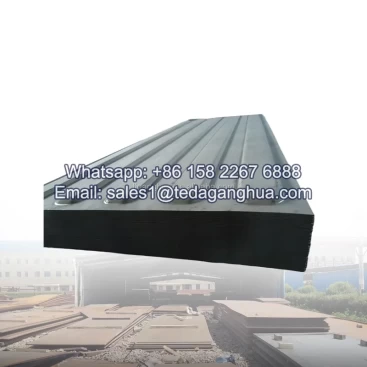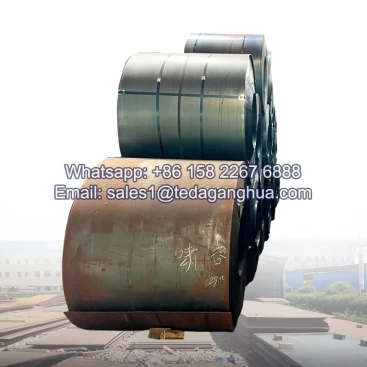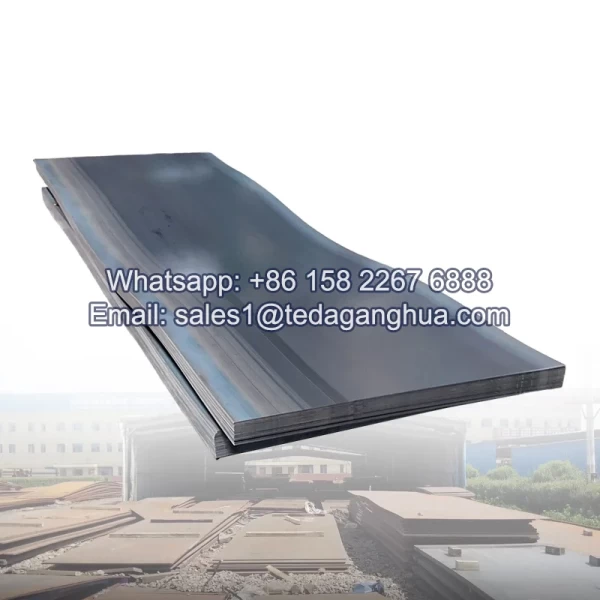
Corten Flat Sheets
Corten flat sheets stand out for their durability, corrosion resistance, and unique aesthetic compared to ordinary carbon steel. Their fabrication processes—cutting, bending, welding, and surface treatment—allow for versatile use in architecture, landscaping, and industrial applications.
- Description
Corten flat sheets are weathering steel plates designed to develop a protective rust layer (patina) when exposed to outdoor conditions. Unlike ordinary carbon steel, this patina prevents further corrosion, giving Corten steel both structural durability and aesthetic appeal.
Corten flat sheets are widely used in architectural cladding, urban furniture, landscaping, and industrial applications.
Fabrication Processes for Corten Flat Sheets
Corten flat sheets can be processed using standard metal fabrication techniques, with some adjustments to account for their unique weathering properties.
1. Cutting
- Laser Cutting: High precision, ideal for decorative panels or complex patterns
- Plasma Cutting: Suitable for thicker sheets, fast and efficient
- Waterjet Cutting: No heat-affected zone, preserving material properties
2. Bending and Forming
- CNC Press Bending: Accurate angles for architectural or structural elements
- Roll Forming: For curved or cylindrical shapes
- Press Forming: For custom profiles and shapes
3. Welding
- Compatible with MIG, TIG, and arc welding
- Requires suitable filler metals for weathering steel
- Post-weld surface treatment may be applied to maintain uniform patina
4. Surface Treatment
- Natural Rusting: Exposure to alternating wet-dry cycles in outdoor environments
- Accelerated Pre-Rusting: Chemical treatment to speed up patina formation
- Sandblasting or Pickling: Surface preparation to ensure uniform rust development
Performance Comparison: Corten vs Ordinary Carbon Steel
| Property / Feature | Corten Steel (Weathering) | Ordinary Carbon Steel |
|---|---|---|
| Alloy Composition | Cu, Cr, Ni, P added | Mainly Fe + C |
| Corrosion Resistance | High (forms protective patina) | Low (rust accelerates) |
| Surface Durability | Patina layer protects steel | Rust flakes, weakens surface |
| Maintenance Requirement | Minimal | Requires painting or coating |
| Lifespan (Outdoor) | 25–50+ years | 5–15 years |
| Aesthetic Appearance | Reddish-brown rust evolving | Orange, uneven rust |
| Welding & Fabrication | Easy, standard methods | Easy, but rust protection needed |
Key Differences:
- Alloy Elements: Corten steel contains copper, chromium, nickel, and phosphorus to stabilize the rust layer. Ordinary carbon steel lacks these elements.
- Corrosion Behavior: Corten forms a dense, adherent patina; carbon steel rust is porous and destructive.
- Maintenance: Corten steel requires minimal maintenance, while carbon steel often needs coatings or repainting.
- Outdoor Lifespan: Corten flat sheets have a significantly longer life in outdoor applications due to self-protective patina.
Applications of Corten Flat Sheets
- Architectural Cladding and Facades – Panels and decorative walls
- Urban Furniture – Benches, planters, screens
- Landscape Products – Garden edging, retaining walls
- Industrial Components – Containers, silos, structural elements