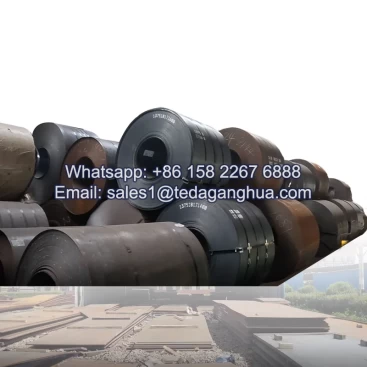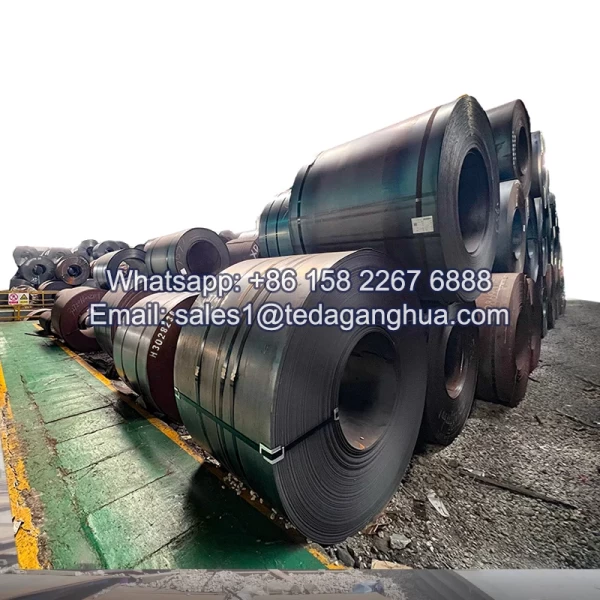


- Description
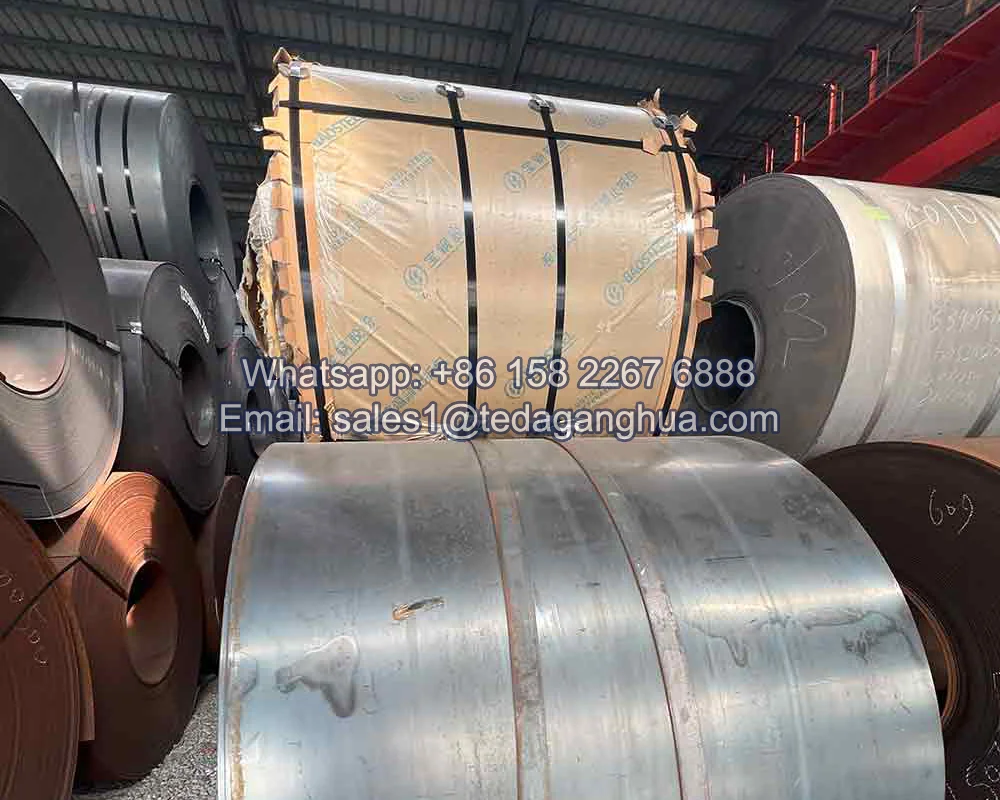
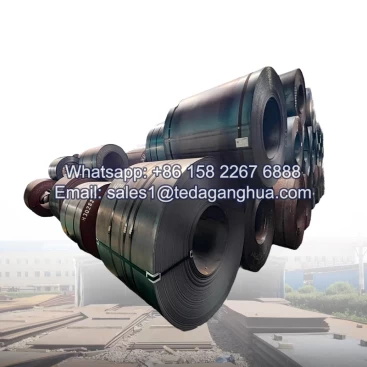
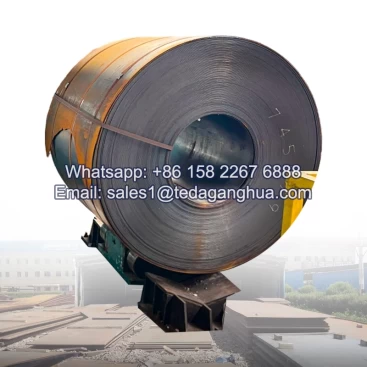
Corten sheet metal is a type of weathering steel sheet designed for outdoor use. It forms a dense protective rust layer after exposure to natural weather, which helps reduce further corrosion. This material is commonly used in construction, landscaping, transportation, and industrial structures because it combines structural strength with natural corrosion resistance.
Corten sheet metal is often supplied under standards such as:
- ASTM A606 Type 4
- ASTM A588
- EN 10025 S355J2W
- Q355NH
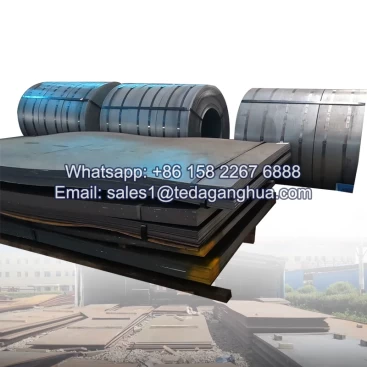
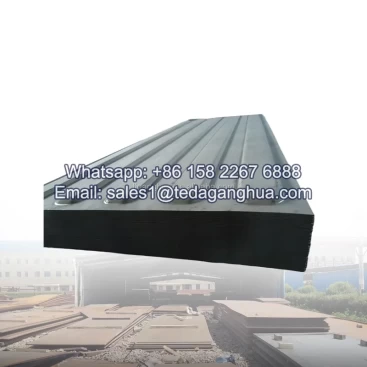
It is generally available in thicknesses from 0.8 mm to 6 mm for sheet products, while thicker materials are classified as corten steel plate.
Main Properties of Corten Sheet Metal
The key advantage of corten sheet metal is its ability to form a stable oxide patina. Unlike ordinary carbon steel, the rust layer on corten is compact and adherent, slowing down corrosion inside the steel.
Typical Chemical Composition
| Element | Typical Content (%) | Function |
|---|---|---|
| Carbon (C) | 0.10–0.20 | Basic strength |
| Copper (Cu) | 0.25–0.40 | Improves corrosion resistance |
| Chromium (Cr) | 0.40–0.65 | Enhances patina formation |
| Nickel (Ni) | 0.30–0.65 | Increases weather resistance |
| Phosphorus (P) | ≤0.15 | Helps stabilize rust layer |
| Manganese (Mn) | 0.80–1.25 | Improves toughness |
These alloying elements make corten different from common mild steel, although it is still classified as low-alloy carbon steel.
Mechanical Properties
| Property | Typical Value |
|---|---|
| Yield Strength | ≥ 345 MPa |
| Tensile Strength | 485–630 MPa |
| Elongation | ≥ 20% |
| Hardness | 130–190 HB |
| Density | 7.85 g/cm³ |
Corten sheet offers good strength and outdoor durability, but it is not intended for high-wear conditions.
Corten Sheet Metal vs Abrasion Resistant Steel
Corten steel and abrasion resistant steel are often compared because both are used in harsh environments. Their design purposes are different.
| Property | Corten Sheet Metal | Abrasion Resistant Steel |
|---|---|---|
| Main feature | Weather resistance | Wear resistance |
| Hardness | 130–190 HB | 360–600 HB |
| Surface | Protective rust layer | Usually painted |
| Main alloy | Cu, Cr, Ni | C, Mn, B |
| Best application | Outdoor structures | Heavy wear equipment |
| Machining | Easier | More difficult |
| Weldability | Good | Moderate |
Main Difference
Corten sheet metal resists atmospheric corrosion, while abrasion resistant steel resists mechanical wear and impact.
Examples:
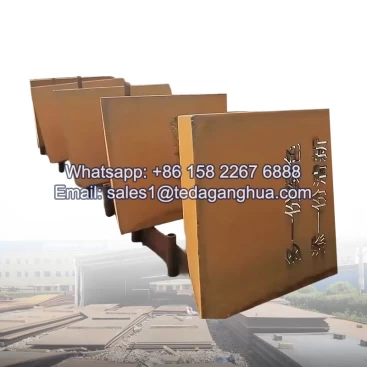
- Corten sheet is suitable for façade panels, garden screens, and containers.
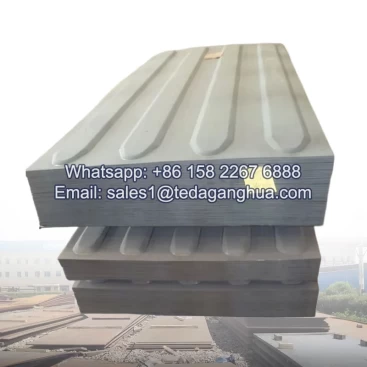
- Abrasion resistant steel is suitable for dump truck liners, crushers, and mining chutes.
This means corten performs better in rainy outdoor conditions, while wear plate performs better in environments with sand, gravel, or constant friction.
Why Corten Is Still Carbon Steel
Many inspection reports classify corten as carbon steel. This is normal because corten is a low-alloy carbon steel, not stainless steel.
Its base material is still iron and carbon, but alloying elements improve weather resistance. Because of this:
- It can rust naturally
- It can be welded like structural steel
- It is magnetic
- It has better outdoor durability than standard carbon steel
The protective rust layer is the major difference between corten and ordinary carbon steel.
Common Applications of Corten Sheet Metal
Corten sheet metal is widely used in:
- Architectural wall cladding
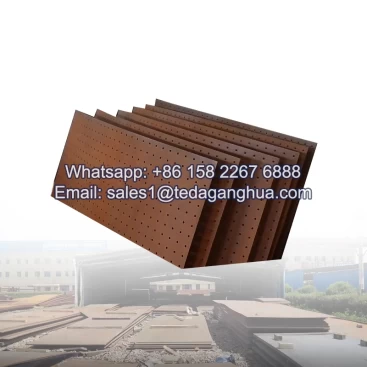
- Outdoor decorative panels
- Garden edging
- Landscape retaining walls
- Railway vehicles
- Shipping containers
- Sculptures
- Bridge components
Its natural rust finish makes it popular for projects where appearance and durability are both important.