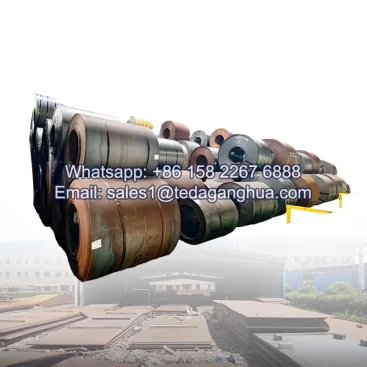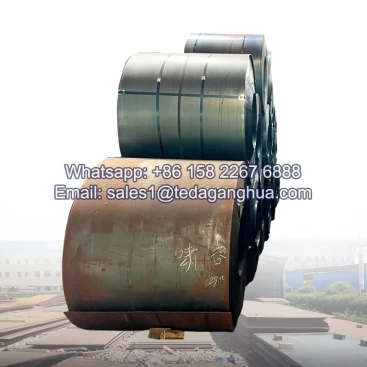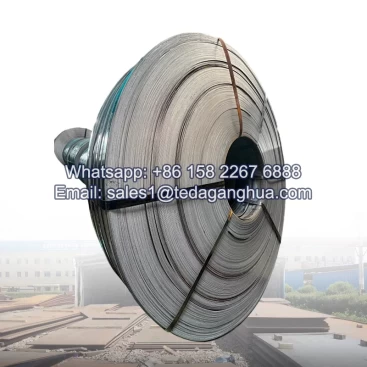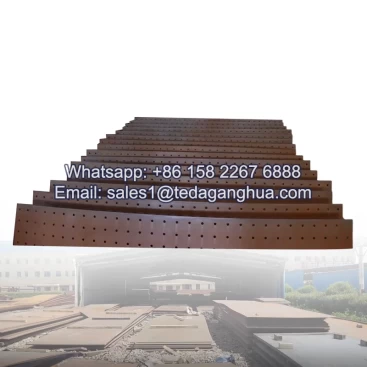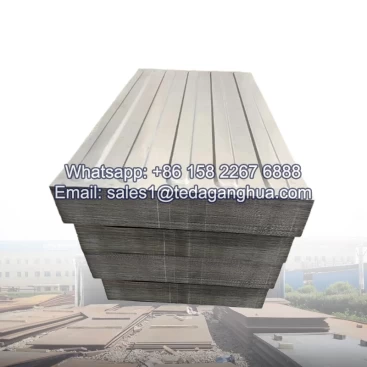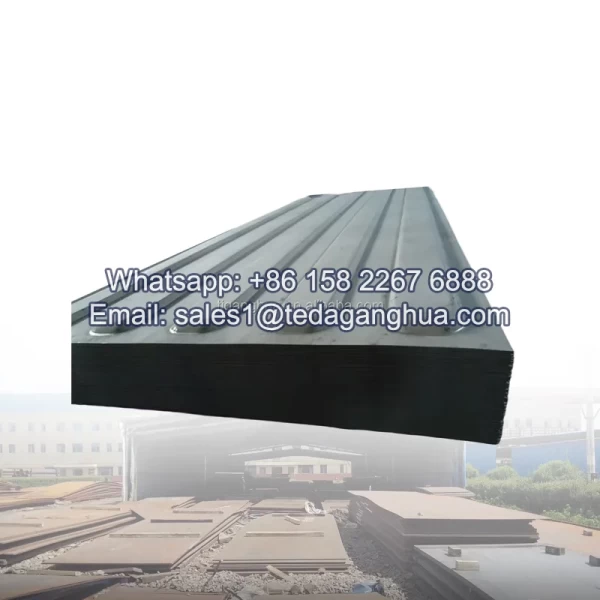
Corrugated Corten Steel Siding
Corrugated Corten steel siding combines the durability of weathering steel with the structural advantages of corrugated panels. Common grades such as Corten A, Corten B, S355J2W, SPA-H, and Q355NH are widely used in architectural and industrial applications.
- Description
Corrugated Corten steel siding is widely used in building façades, container structures, and industrial wall panels. It is made from weathering steel, a type of low-alloy steel designed to develop a protective oxide layer when exposed to the atmosphere. This rust-colored layer protects the steel from further corrosion and gives the material its distinctive architectural appearance.
Corrugated profiles increase the structural strength and rigidity of the steel sheet, allowing thinner plates to support higher loads while maintaining stability in outdoor environments.
Common Weathering Steel Grades
Several international standards define weathering steel grades that are commonly used for corrugated siding panels.
| Standard | Grade | Characteristics | Typical Applications |
|---|---|---|---|
| ASTM | Corten A | Good atmospheric corrosion resistance | Architectural siding and façade panels |
| ASTM | Corten B | Higher structural strength | Container structures and heavy-duty panels |
| EN | S355J2W / S355JOWP | European structural weathering steel | Building cladding and outdoor structures |
| JIS | SPA-H | High weather resistance | Architecture and landscape structures |
| GB | Q355NH | Chinese weathering structural steel | Containers and exterior steel panels |
These materials contain alloying elements such as copper, chromium, nickel, and phosphorus, which promote the formation of a dense protective oxide layer during outdoor exposure.
Difference Between Exterior Wall Panels and Container Panels
Although both types may use corrugated Corten steel, architectural siding panels and container wall panels have different design purposes and structural requirements.
| Feature | Exterior Wall Panels | Container Panels |
|---|---|---|
| Main Function | Architectural cladding and weather protection | Structural component of shipping containers |
| Thickness | Usually thinner | Usually thicker |
| Corrugation Depth | Moderate or decorative | Deeper for structural strength |
| Surface Appearance | Often designed for architectural aesthetics | Primarily functional |
| Structural Load | Mostly wind load and façade support | Must withstand stacking, transport, and impact loads |
| Fabrication Method | Roll forming or decorative profiling | Heavy-duty roll forming and welding |
Exterior siding focuses more on visual design and weather protection, while container panels are engineered to handle transportation loads and structural stresses.
Typical Thickness and Panel Specifications
Corrugated weathering steel panels are produced in different thicknesses depending on the application.
| Application | Typical Thickness | Panel Characteristics |
|---|---|---|
| Architectural Corten siding | 1.0 – 2.0 mm | Lightweight cladding with decorative appearance |
| Landscape structures | 1.5 – 3.0 mm | Durable outdoor structural panels |
| Shipping container wall panels | 1.6 – 3.0 mm | High strength with deep corrugation |
| Heavy-duty container structures | 2.5 – 4.0 mm | Increased rigidity and load capacity |
Advantages of Corrugated Corten Steel Siding
Corrugated weathering steel panels offer several advantages in both architectural and industrial applications:
-
Excellent atmospheric corrosion resistance
-
Long service life with minimal maintenance
-
High structural strength due to corrugated profile
-
Distinctive rust-colored appearance suitable for modern architecture
-
Good adaptability for welding, forming, and fabrication
Because of these characteristics, corrugated Corten steel siding is widely used in building façades, container houses, industrial buildings, and landscape architecture.