Corten Steel Metal
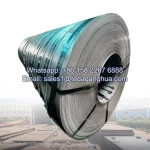
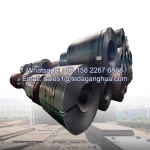
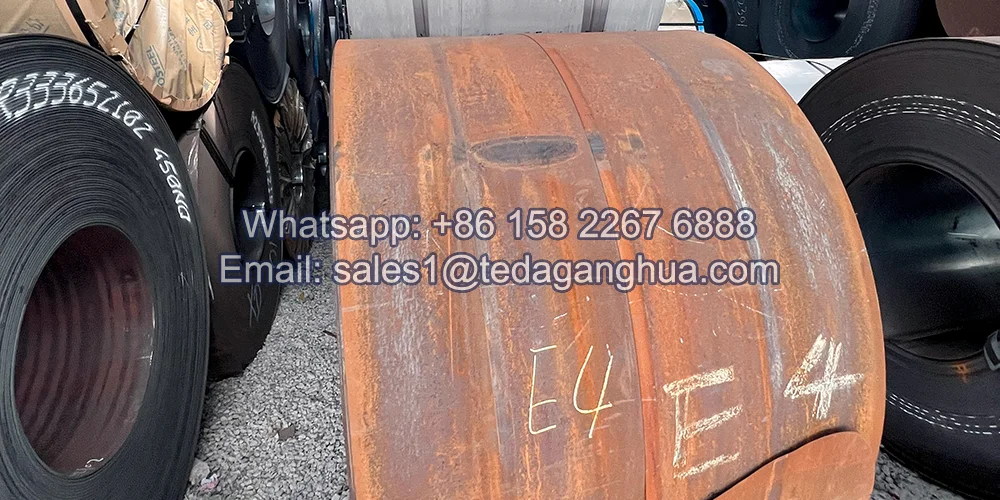
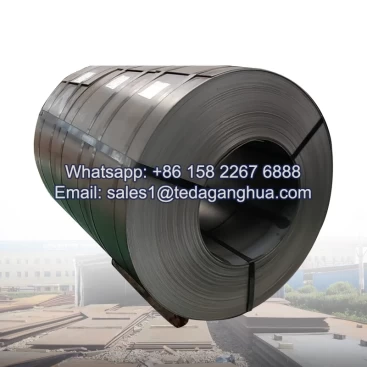
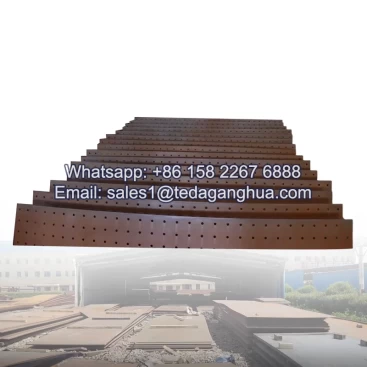
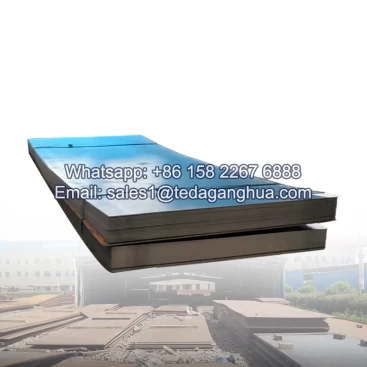
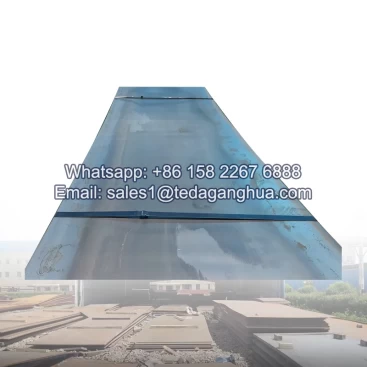
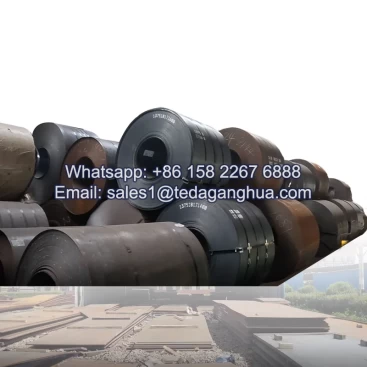
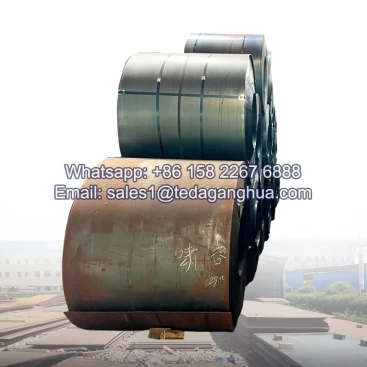
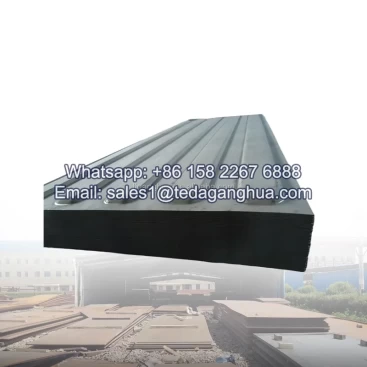
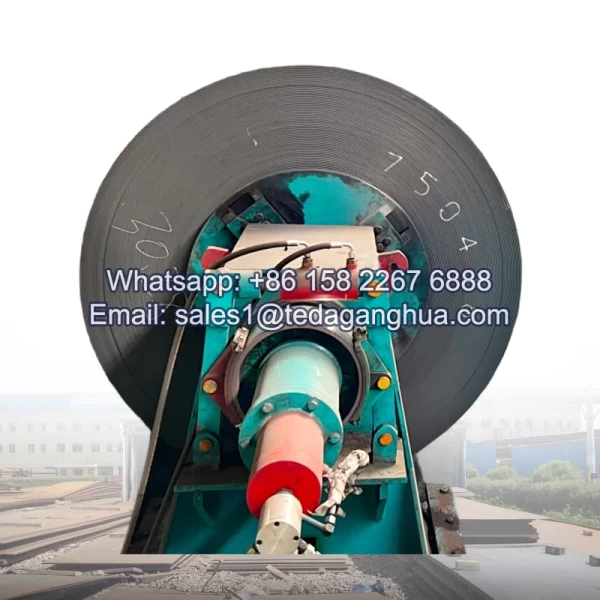
Corten steel metal is a durable, low-alloy material that develops a protective red-brown rust layer over time. Common grades like Corten A, Corten B, and S355W offer varying levels of corrosion resistance, strength, and weldability.
- Description
Corten steel, also known as weathering steel, is a high-strength, low-alloy steel that develops a protective rust-like patina when exposed to the elements. This naturally forming surface layer slows further corrosion and eliminates the need for painting or coatings, making corten steel an ideal material for outdoor, architectural, and structural applications.
Common Grades of Corten Steel
Corten steel is manufactured in several standard grades, each with specific chemical compositions and mechanical properties suited for different applications.
| Grade | Standard | Key Features |
|---|---|---|
| Corten A | ASTM A588 | High-strength low-alloy steel for general atmospheric exposure; used for panels, cladding, and structural components |
| Corten B | ASTM A242 | Slightly higher corrosion resistance than Corten A; commonly used in bridges and industrial structures |
| S355J0WP | EN 10025-5 (Europe) | European weathering steel grade; good weldability and structural performance |
| S355W | EN 10025-5 (Europe) | Enhanced atmospheric corrosion resistance for exposed outdoor structures |
Chemical Composition of Corten Steel
The corrosion resistance and mechanical performance of corten steel come from its alloying elements, which promote the formation of a stable, protective rust layer.
| Element | Typical Content (%) | Function |
|---|---|---|
| Carbon (C) | 0.12 – 0.25 | Provides strength while maintaining ductility |
| Manganese (Mn) | 0.50 – 1.00 | Increases tensile strength and toughness |
| Phosphorus (P) | 0.04 – 0.07 | Accelerates formation of the protective rust layer |
| Sulfur (S) | ≤0.05 | Controlled for weldability |
| Silicon (Si) | 0.30 – 0.75 | Improves oxidation resistance |
| Chromium (Cr) | 0.50 – 1.25 | Stabilizes the oxide patina and corrosion resistance |
| Copper (Cu) | 0.25 – 0.55 | Enhances weathering performance and rust color |
| Nickel (Ni) | ≤0.65 | Improves corrosion resistance in atmospheric conditions |
| Titanium (Ti) | ≤0.20 | Stabilizes structure and improves weldability |
| Iron (Fe) | Balance | Base metal |
These elements work together to form a dense, adherent rust layer that protects the steel while giving it its characteristic reddish-brown color.
Mechanical Properties of Corten Steel
| Property | Typical Value |
|---|---|
| Tensile Strength | 485 – 620 MPa |
| Yield Strength | ≥355 MPa |
| Elongation | ≥20% |
| Hardness | 150 – 180 HB |
| Density | 7.85 g/cm³ |
Corten steel is strong, tough, and easily weldable, making it suitable for both decorative and structural uses.
Common Applications of Corten Steel
Architectural and Decorative Applications
-
Exterior building facades and wall cladding
-
Urban landscaping elements such as screens, fences, and planters
-
Sculptures and public art installations
Structural and Industrial Applications
-
Bridges and pedestrian walkways
-
Outdoor shelters and canopies
-
Industrial equipment and structural panels exposed to weather
Garden and Outdoor Products
-
Planters and garden boxes
-
Fencing, gates, and partitions
-
Outdoor furniture and benches
The natural rust patina provides low maintenance and long-term durability, while also creating a distinctive aesthetic suitable for modern architecture and landscape design.