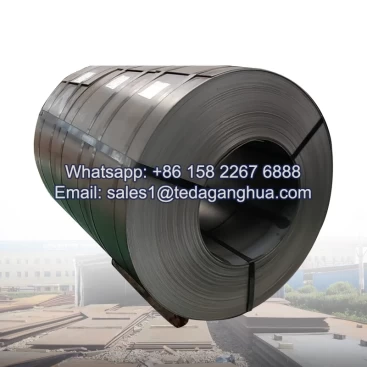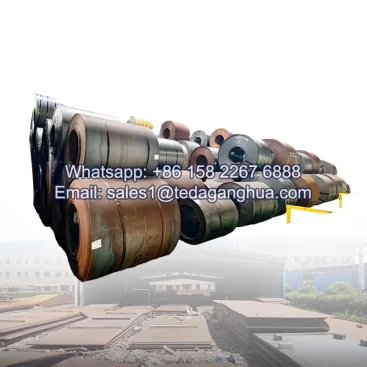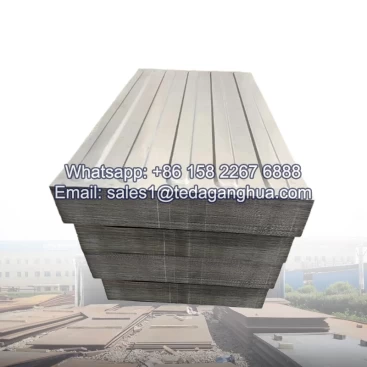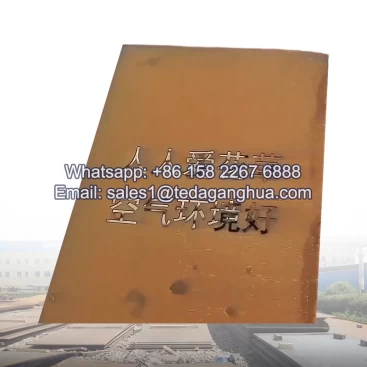
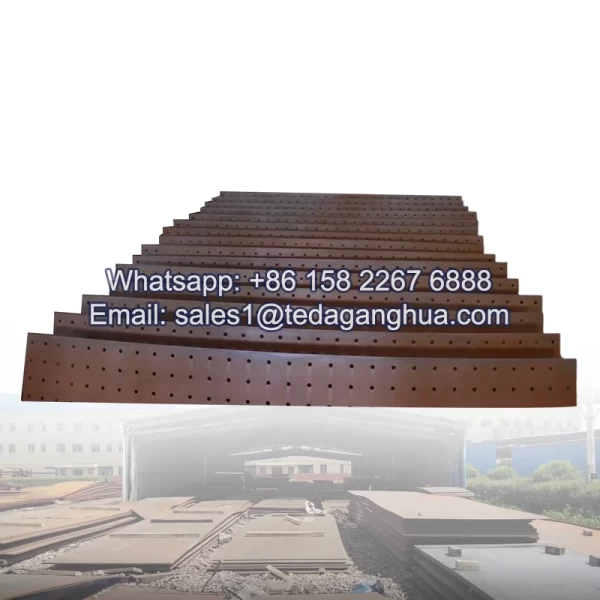
Corten Steel Construction
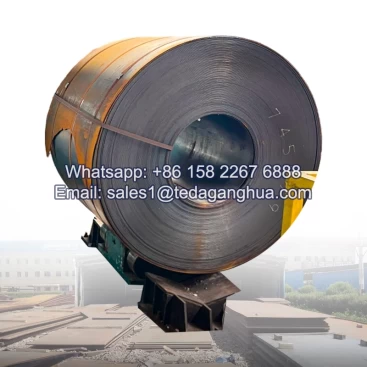
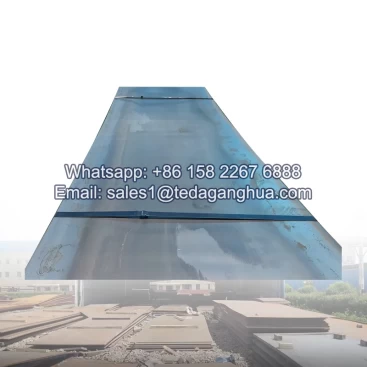
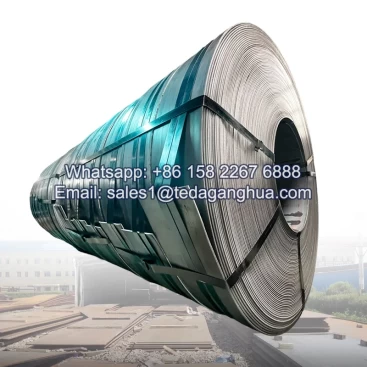
In Corten steel construction, the most commonly used grades are A242, A588, and Corten B, with thicknesses ranging from 3 mm to over 20 mm depending on the application.
These materials provide:
-
Strength for structural engineering
-
Corrosion resistance and low maintenance for outdoor exposure
-
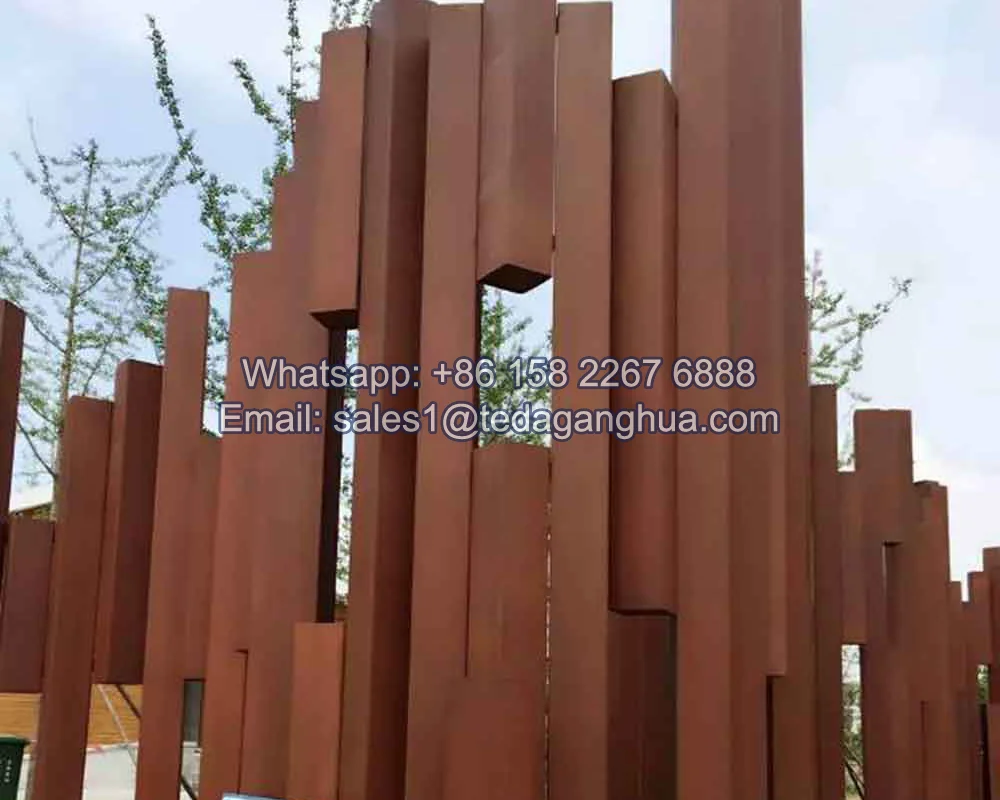
Aesthetic reddish-brown patina for modern architecture and urban landscaping
-
Flexibility in fabrication for custom structural or decorative components
This makes Corten steel a preferred choice for projects requiring both durability and visual appeal in exposed outdoor environments.
- Description
Corten steel (weathering steel) is widely used in construction and structural engineering due to its high strength, excellent corrosion resistance, and low maintenance requirements. It is particularly suitable for bridges, building frameworks, urban landscaping structures, and outdoor architectural installations.
Common Grades for Construction
| Grade | Description | Typical Use |
|---|---|---|
| A242 Corten Steel | Standard weathering steel with moderate strength | Light to medium structural components, architectural cladding, pedestrian bridges |
| A588 Corten Steel | Higher strength, improved corrosion resistance | Heavy-duty load-bearing structures, industrial frames, large bridges |
| Corten B (ASTM A588 / EN 10025-5) | Higher alloyed weathering steel with excellent patina formation | Large structural components, urban plazas, exposed frameworks |
Selection Tip:
-
Use A242 for projects where visual appearance and moderate load are primary concerns.
-
Use A588 or Corten B for high-load or exposed structural applications, where both strength and long-term durability are required.
Common Thickness and Dimensions
| Thickness | Typical Application |
|---|---|
| 3–6 mm | Decorative cladding, wall panels, tree guards, small pedestrian bridges |
| 8–10 mm | Medium structural beams, supports, urban landscaping frameworks |
| 12–20 mm | Heavy-duty structural components, bridges, industrial outdoor frameworks |
| Custom Thickness | Can be cut and fabricated according to engineering specifications |
Width and Length:
-
Standard widths: 1000–2000 mm
-
Standard lengths: 2000–12000 mm
-
Custom sizes are available for architectural or structural fabrication
Key Advantages in Construction
-
High Strength: Suitable for both load-bearing and decorative structural components
-
Corrosion Resistance: Forms a self-protecting patina, reducing maintenance needs
-
Aesthetic Appeal: Natural reddish-brown finish enhances modern architectural projects
-
Fabrication Flexibility: Can be cut, bent, or welded for custom structural designs
-
Long-Term Durability: Ideal for outdoor exposure, including bridges, facades, and urban furniture
Typical Structural Applications
| Application | Description |
|---|---|
| Bridges & Walkways | Pedestrian bridges, small urban footbridges, walkways exposed to the elements |
| Architectural Cladding | Building facades, decorative panels, wall partitions |
| Urban Landscaping Structures | Tree grates, guards, benches, planters, and screens |
| Industrial Frameworks | Outdoor storage tanks, silos, and heavy-duty frames |
| Public Art & Sculptures | Structural support for sculptures and outdoor installations |