Corten Steel Price Per Pound

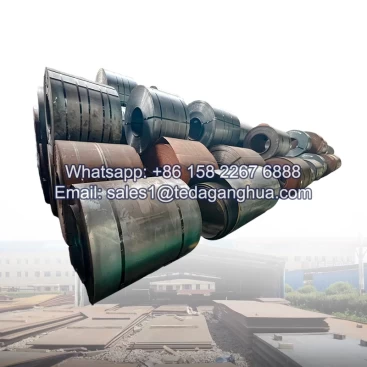
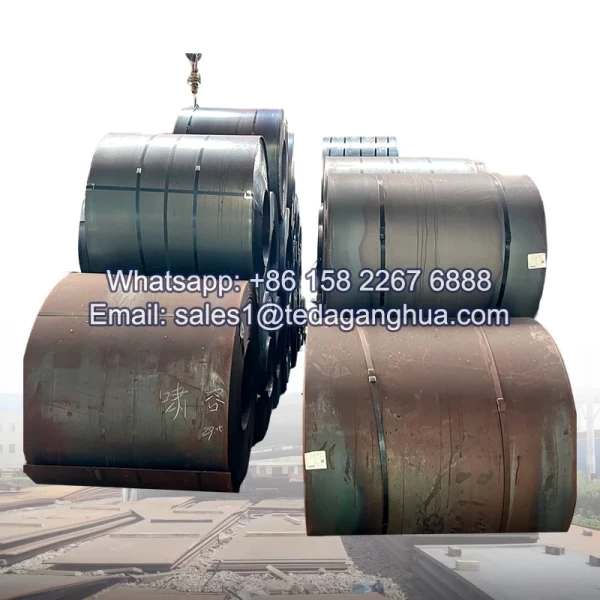
Corten steel typically costs more per pound than standard carbon steel due to its alloy composition and enhanced performance. However, its ability to resist corrosion and reduce maintenance requirements makes it a cost-effective material over the long term.
- Description
Corten steel, also known as weathering steel, is a low-alloy structural steel designed to form a stable, protective rust layer when exposed to atmospheric conditions. This natural patina reduces corrosion and eliminates the need for painting, making it widely used in construction, landscaping, and architectural applications.
When evaluating “Corten steel price per pound”, it is important to compare it with standard carbon steel to understand both the initial cost and long-term value.
Price Comparison: Corten Steel vs Carbon Steel
The price of Corten steel is generally higher than that of conventional carbon steel due to its alloy composition and performance advantages.
Price Comparison Table
| Steel Type | Price Per Pound (USD) | Cost Difference | Main Features |
|---|---|---|---|
| Mild Carbon Steel | 0.50 – 0.80 | Baseline | Low cost, requires coating |
| Corten Steel | 0.65 – 1.20 | +15% to +30% | Weather-resistant, low maintenance |
| Stainless Steel (304) | 1.50 – 3.00+ | +100% to +250% | Excellent corrosion resistance |
In most global markets, Corten steel carries a premium of approximately 15% to 30% per pound compared to standard carbon steel.
Why Corten Steel Costs More
Alloying Elements
Corten steel contains additional elements such as copper, chromium, nickel, and phosphorus. These increase raw material costs but are essential for forming the protective oxide layer that improves corrosion resistance.
Production and Supply
Compared to carbon steel, Corten steel is produced in lower volumes and requires stricter composition control. This results in:
- Higher manufacturing costs
- Limited availability in some regions
- Increased procurement lead time
Performance Value
Despite the higher initial price, Corten steel offers:
- Significantly improved atmospheric corrosion resistance
- Reduced need for protective coatings
- Lower maintenance requirements over time
Cost Difference Over the Lifecycle
Initial Cost
- Carbon steel has a lower purchase price per pound
- Corten steel requires a higher upfront investment
Maintenance Cost
- Carbon steel requires painting, galvanizing, or coating
- Corten steel forms a self-protective rust layer and requires minimal maintenance
Total Cost of Ownership
Over time, the maintenance savings of Corten steel often offset its higher initial cost, especially in outdoor environments exposed to weather.
Applications Where Corten Steel Is Preferred
The price premium of Corten steel is justified in applications where durability and appearance are important:
- Structural components exposed to outdoor conditions
- Bridges and infrastructure projects
- Architectural cladding and facades
- Landscape features such as planters and edging
- Outdoor sculptures and public installations
Factors Affecting Corten Steel Price Per Pound
Several variables influence the final price:
- Steel grade (such as A588, A242, S355J2W)
- Thickness and size specifications
- Order quantity and bulk purchasing
- Global steel market fluctuations
- Logistics and transportation costs