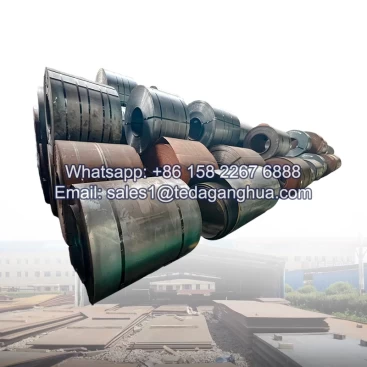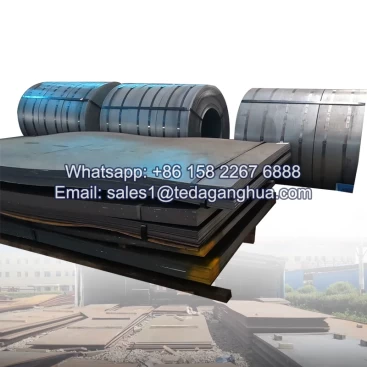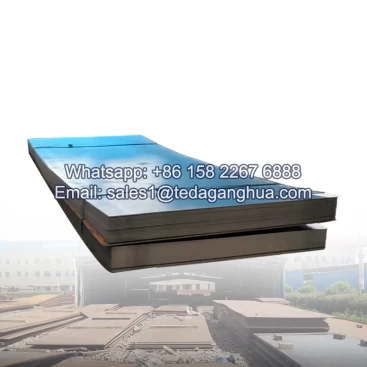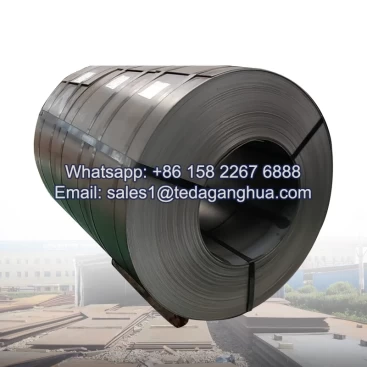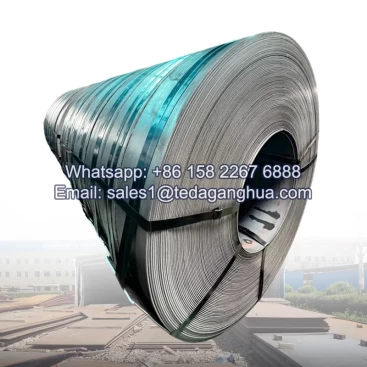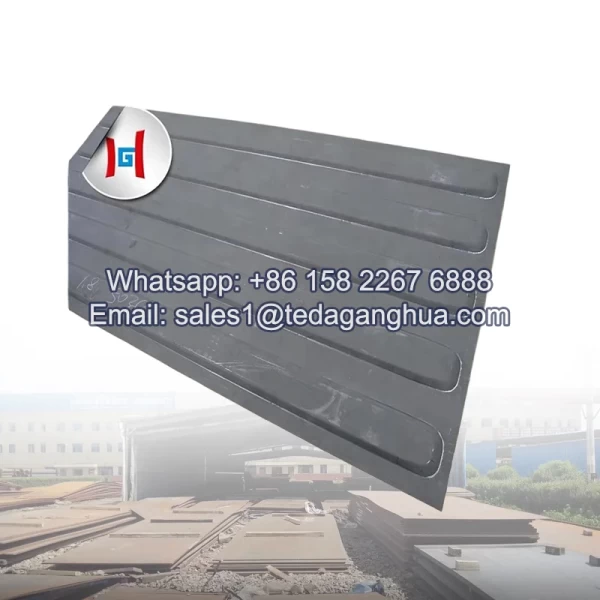
Corten Steel Siding Panels
Corten steel siding panels are essential materials in container manufacturing and architectural cladding. They are often called “ship plates” because containers must withstand marine transportation conditions similar to ship structures.
- Description
Corten steel siding panels are widely used in shipping containers, industrial buildings, and architectural exterior walls. These panels are commonly manufactured from weathering steel, which develops a protective rust layer when exposed to outdoor environments. Because of its durability and corrosion resistance, Corten steel has become one of the most important materials for container wall panels and exterior cladding systems.
Why Container Panels Are Also Called “Ship Plates”
Corrugated Corten steel panels used in containers are sometimes referred to as “ship plates” or “marine plates.” This name comes from their similar structural design and corrosion resistance requirements compared with steel plates used in marine environments.
There are several reasons for this terminology:
-
Marine Transportation Environment
Shipping containers are transported by sea for long periods. The steel used for container panels must withstand salt air, humidity, and temperature changes, similar to steel used in ship structures. -
High Structural Strength Requirements
Container wall panels must support stacking loads, transportation stress, and impact forces, which is comparable to the structural demands placed on ship hull plates. -
Corrugated Structural Design
Both container panels and some marine structural plates use reinforced structures to increase rigidity and load capacity.
Because of these similarities, container wall panels made from weathering steel are often informally called “container ship plates” in industrial applications.
Common Corten Steel Grades for Container Panels
Weathering steel used for container siding panels typically includes several international grades.
| Standard | Grade | Typical Application |
|---|---|---|
| ASTM | Corten A | Architectural siding and light structural panels |
| ASTM | Corten B | Structural panels and container walls |
| EN | S355J2W | Structural weathering steel components |
| JIS | SPA-H | Outdoor structures and container components |
| GB | Q355NH | Container plates and architectural panels |
These grades contain alloying elements that improve atmospheric corrosion resistance.
Mechanical and Chemical Characteristics of Corten Steel
Corten steel is a low-alloy high-strength structural steel designed to form a stable protective oxide layer during outdoor exposure.
| Property | Typical Characteristics |
|---|---|
| Main Alloy Elements | Copper (Cu), Chromium (Cr), Nickel (Ni), Phosphorus (P) |
| Yield Strength | Approximately 345–355 MPa depending on grade |
| Corrosion Resistance | Forms protective rust layer that slows further corrosion |
| Structural Strength | Suitable for structural panels and container walls |
| Surface Appearance | Natural reddish-brown weathered finish |
The protective oxide layer formed on Corten steel acts as a barrier that reduces corrosion penetration and helps extend the service life of the material.
Structure of Corten Steel Container Panels
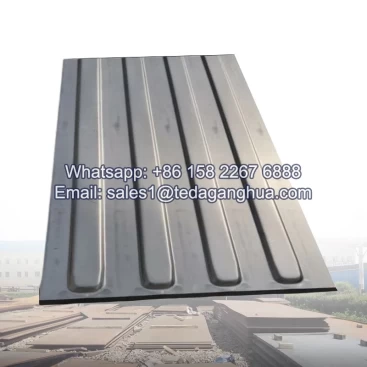
Corten steel siding panels for containers typically use a corrugated profile to improve mechanical performance.
| Structural Feature | Function |
|---|---|
| Corrugated Profile | Increases stiffness and impact resistance |
| Reinforced Edges | Improves welding and assembly strength |
| Standardized Panel Sizes | Allows efficient container manufacturing |
| Weathering Surface | Reduces need for heavy protective coatings |
This corrugated structure allows the panel to maintain high rigidity even with relatively thin steel plates.
Applications of Corten Steel Siding Panels
Because of its durability and industrial appearance, Corten steel siding panels are widely used in:
-
Shipping container wall panels
-
Container housing structures
-
Industrial building siding
-
Architectural façade systems
-
Landscape and outdoor steel structures