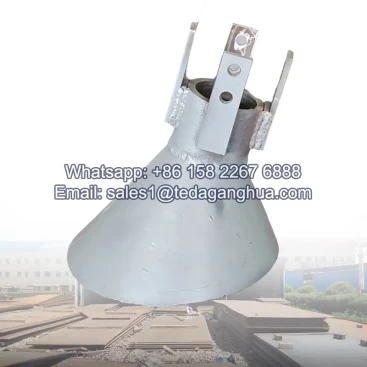
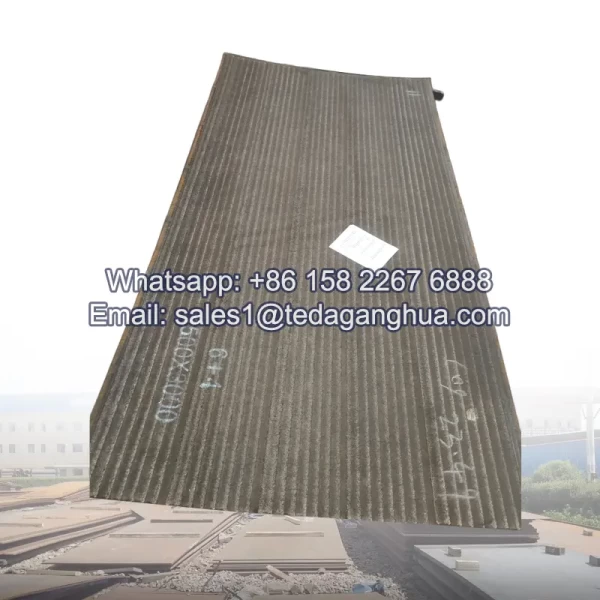
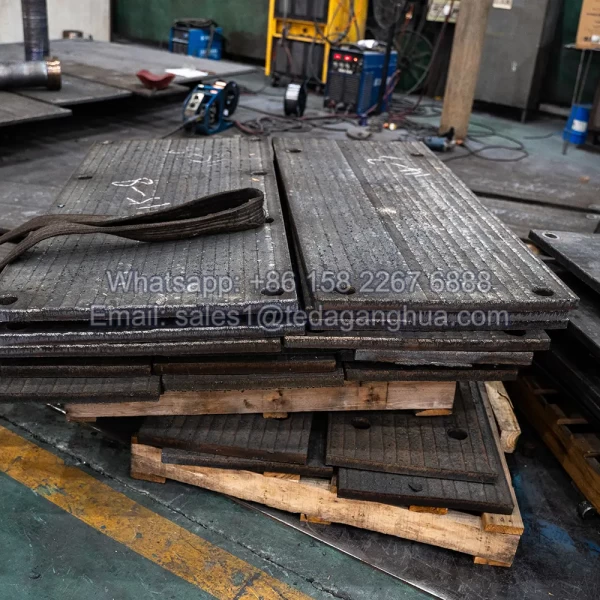
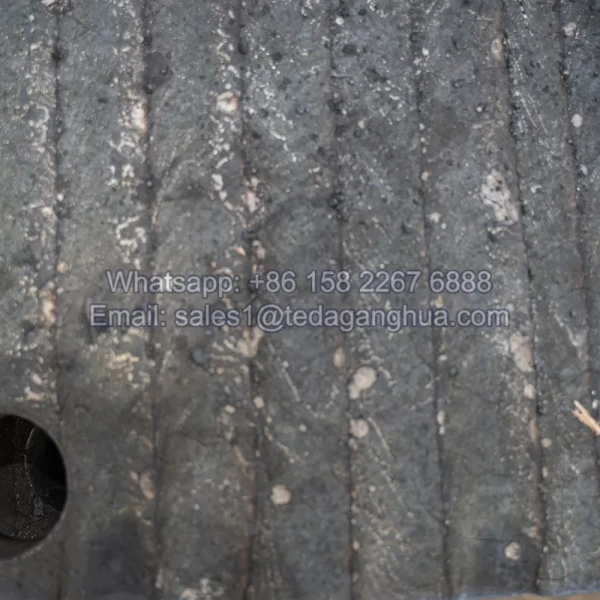
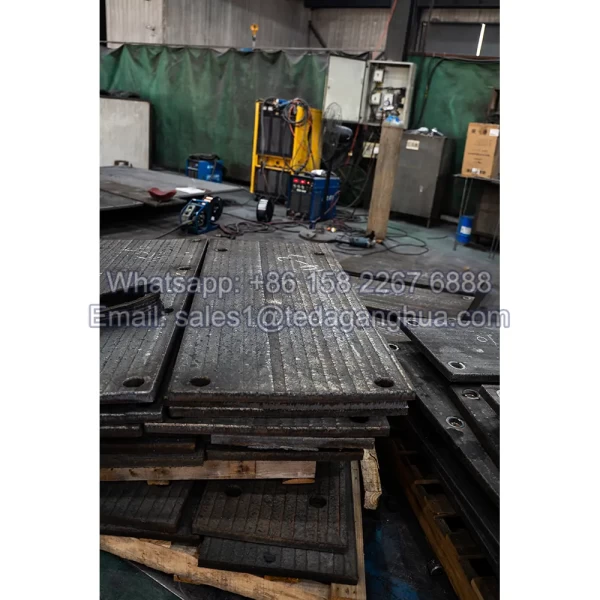
Chromium Carbide Steel
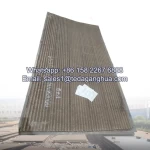
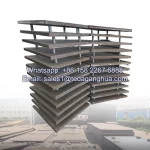
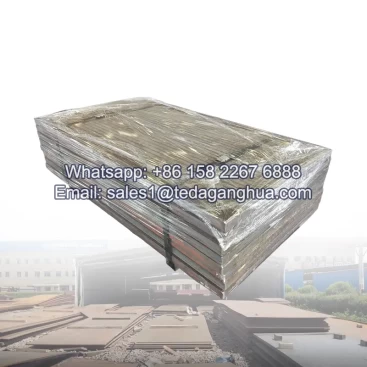
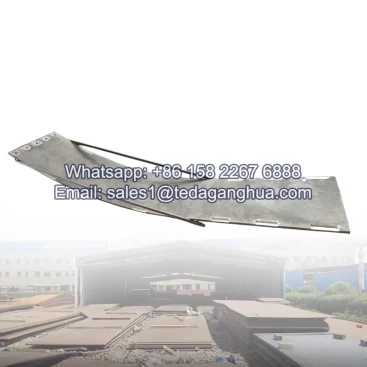
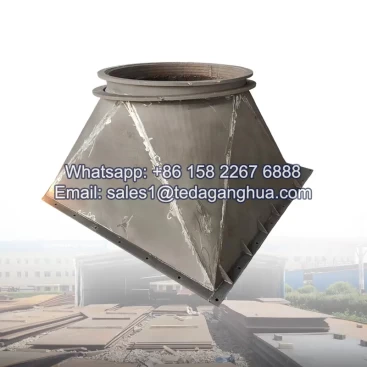
Chromium carbide steel is one of the most effective solutions for extending the life of wear-exposed parts.
Even though the overlay gradually wears through micro-abrasion and matrix erosion, it provides a predictable, long-lasting surface protection.
✅ Hardness: up to 65 HRC
✅ Wear resistance: 10–30× longer life than regular steel
✅ Stable under heat, impact, and abrasion
By using chromium carbide overlay plates or coated parts, industries can significantly reduce downtime, maintenance costs, and equipment replacement frequency — keeping production efficient and reliable.
- Description
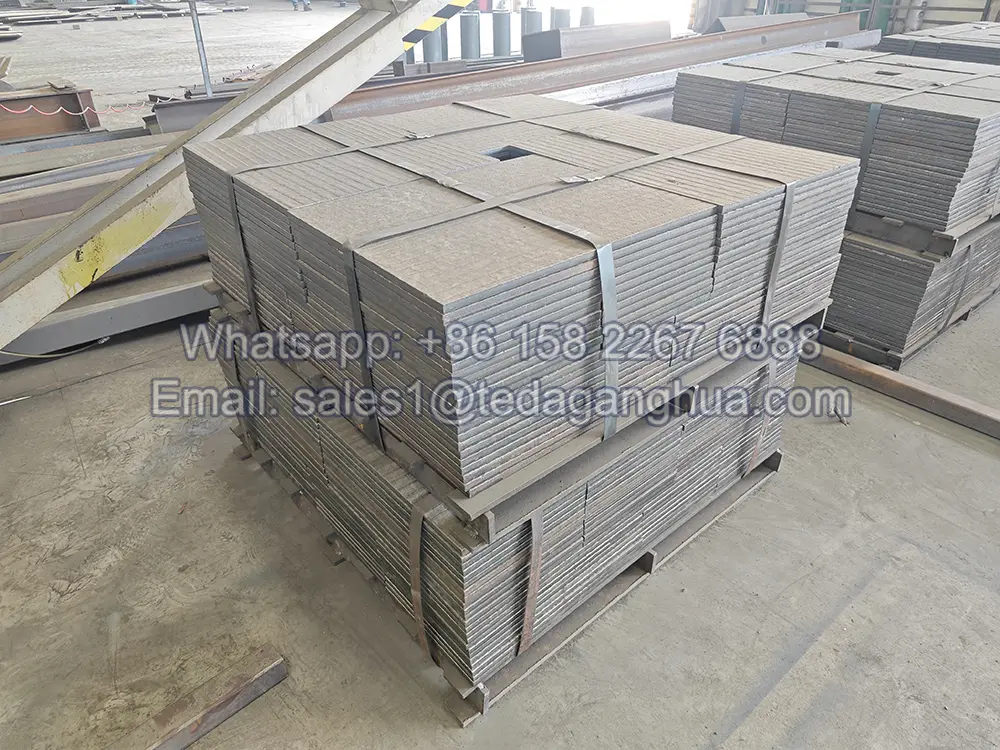
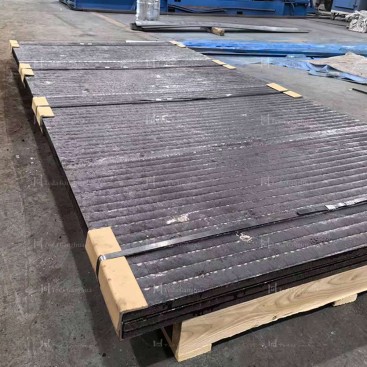
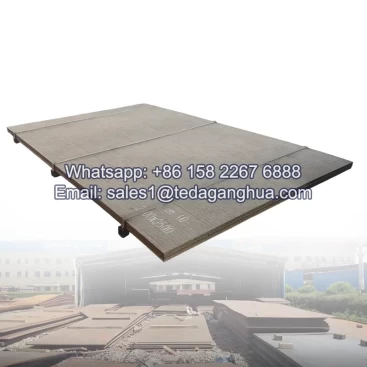
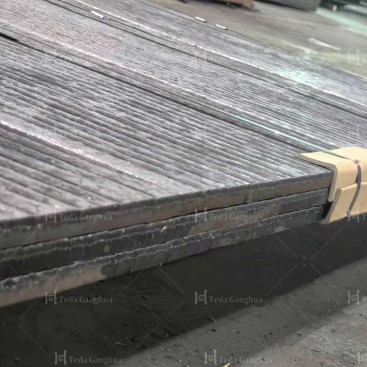
Chromium carbide steel refers to a wear-resistant steel plate or component that has a welded overlay layer rich in chromium carbides (Cr₇C₃ or Cr₃C₂).
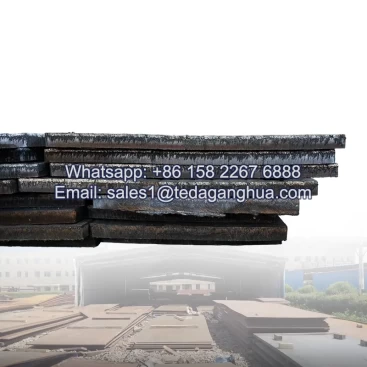
This overlay is metallurgically bonded to a carbon or alloy steel base, creating a two-layer composite:
-
Base layer: provides strength and toughness.
-
Top chromium carbide layer: provides extreme hardness and wear resistance.
This design combines the toughness of steel with the hardness of ceramic-like chromium carbides — making it a key material in mining, cement, and heavy industry equipment.
How the Chromium Carbide Overlay Wears
Even though the overlay is extremely hard (typically 58–65 HRC), it still experiences gradual wear during service.
However, the mechanism of wear is quite different from that of ordinary steel:
1. Micro-Abrasion of Carbide Particles
In abrasive service (for example, sliding of sand, ore, or clinker), hard particles hit and slide over the surface.
-
The chromium carbide crystals act like a shield, resisting cutting and plowing.
-
Over time, only the very tips of carbides are polished away, not the entire surface.
This leads to slow, predictable material loss rather than rapid gouging.
2. Matrix Erosion Between Carbides
The softer metallic matrix between the carbide grains may erode slightly faster.
As matrix metal wears off, new carbide particles become exposed — continually maintaining a hard protective surface.
This self-renewing effect helps the material retain wear resistance for a long period.
3. Impact Fatigue and Thermal Cracking (in Severe Service)
Under repeated heavy impact or high-temperature cycles, the overlay can develop micro-cracks.
These small cracks are normal and do not indicate failure — in fact, they help relieve stress and prevent large-scale peeling.
However, extreme impact or vibration can eventually break down the carbide layer over many months or years.
Typical Wear Life and Service Duration
The service life of chromium carbide steel depends on:
-
Type of wear (sliding, impact, erosion, or combination)
-
Operating temperature
-
Thickness of the overlay layer
-
Abrasive hardness and concentration
The table below summarizes typical performance data from industrial applications:
| Application | Typical Overlay Thickness | Operating Conditions | Life Extension vs Carbon Steel |
|---|---|---|---|
| Conveyor chute liners | 4–6 mm | Dry sliding abrasion | 15–25× longer |
| Cement clinker hoppers | 6–8 mm | High temperature abrasion | 20–30× longer |
| Mining bucket liners | 8–12 mm | Heavy impact + abrasion | 10–15× longer |
| Power plant coal pipes | 4–5 mm | Fine particle erosion | 15–20× longer |
| Screw conveyors / augers | 3–5 mm | Moderate wear | 8–10× longer |
In real operation, chromium carbide steel plates typically last 3–10 times longer than quenched and tempered steel, and up to 20–30 times longer than mild steel.
How the Overlay Thickness Affects Life
The overlay layer thickness directly influences how long the plate lasts:
-
3–5 mm overlay: good for moderate abrasion or low impact.
-
6–8 mm overlay: suitable for medium to heavy wear (cement, sand, coal).
-
10–12 mm overlay: used for high-impact, high-abrasion conditions (mining, crushing).
As the surface gradually wears, the carbide layer becomes thinner until it reaches the fusion line.
At that point, the underlying steel begins to appear — indicating that replacement or refurbishment is needed.
A general rule:
Each 1 mm of overlay can provide approximately 3–6 months of wear protection under continuous medium-abrasion conditions.
Why Chromium Carbide Steel Outlasts Regular Steel
| Feature | Regular Steel | Chromium Carbide Steel |
|---|---|---|
| Hardness | 200–400 HB | 600–700 HB (≈ 60–65 HRC) |
| Wear Rate | High | Very low |
| Resistance to Erosion | Poor | Excellent |
| Impact Strength | High | Moderate |
| Service Life | Short | 10–30× longer |
The hard chromium carbide particles act as a barrier layer, taking the wear instead of the base metal.
Because of this, equipment such as chutes, hoppers, pipes, and mixer blades stays operational much longer before needing replacement.