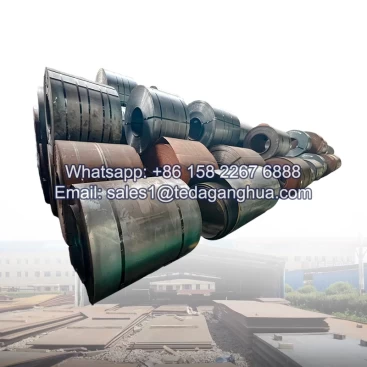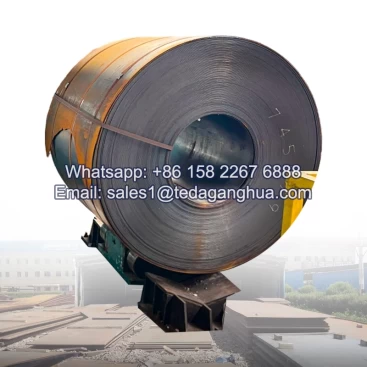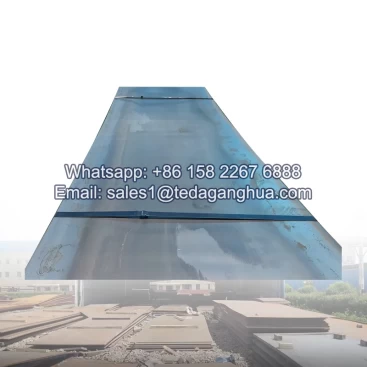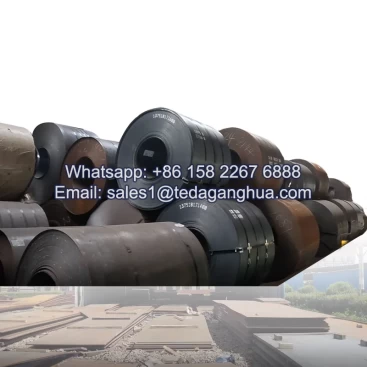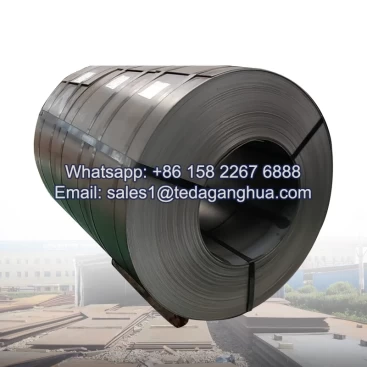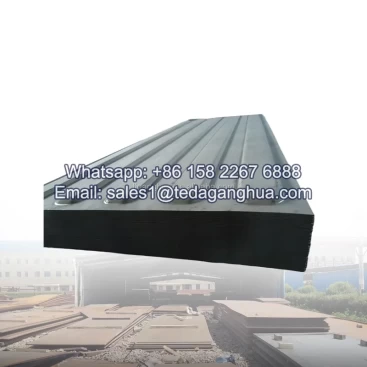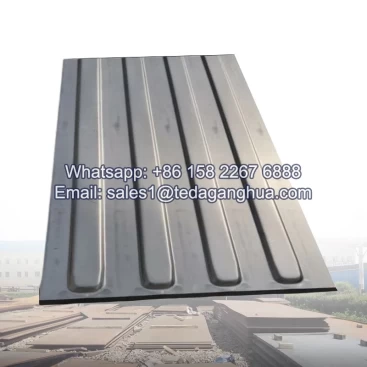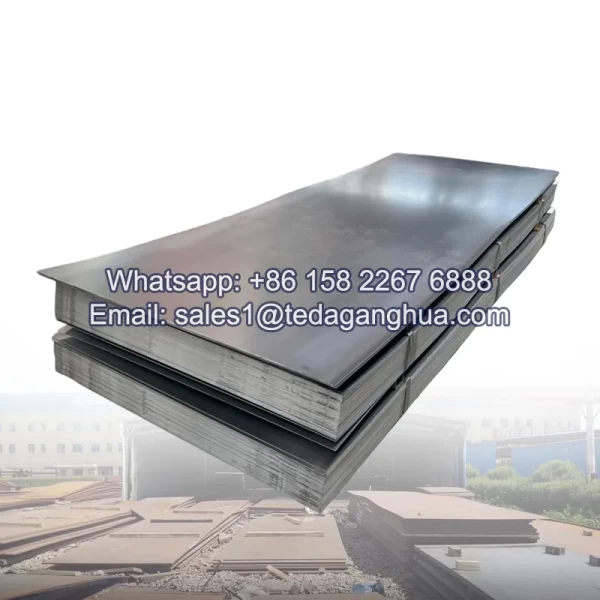
Raw Corten Steel

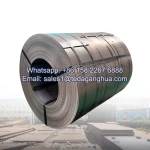
For raw Corten steel, the transition from pre-rust to post-rust does not alter the internal composition but creates a protective, alloy-enriched oxide layer on the surface. This transformation enhances corrosion resistance, durability, and weather performance, making Corten steel ideal for outdoor applications such as garden planters and architectural structures.
- Description
Raw Corten steel (weathering steel) undergoes a natural transformation when exposed to the environment. Its appearance and surface properties change significantly, while its core chemical composition remains essentially unchanged. The key difference lies in the formation of a protective rust (patina) layer.
Chemical Composition: Before vs After Rust
The bulk composition of Corten steel does not change during the rusting process. It typically contains:
-
Iron (Fe) – base metal
-
Copper (Cu)
-
Chromium (Cr)
-
Nickel (Ni)
-
Small amounts of phosphorus (P) and other elements
These alloying elements are responsible for forming a stable and protective oxide layer.
Key Point
-
Before rust: Elements are uniformly distributed within the steel
-
After rust: Alloying elements enrich the surface oxide layer, improving protection
Surface and Property Changes
| Aspect | Before Rust (Raw State) | After Rust (Patina Formed) |
|---|---|---|
| Color | Dark gray / bluish-black | Reddish-brown |
| Surface | Smooth, may have mill scale | Dense, textured oxide layer |
| Corrosion behavior | Similar to carbon steel | Significantly improved resistance |
| Protection | No natural barrier | Stable protective rust layer |
| Maintenance | May require coating | No coating needed |
Performance Changes After Rust Formation
1. Improved Corrosion Resistance
After exposure to air and moisture, Corten steel forms a dense oxide layer (patina) that slows further corrosion. This makes it far more durable than ordinary carbon steel in outdoor environments.
2. Surface Stabilization
The rust layer becomes compact and adherent, reducing flaking and preventing deep rust penetration.
3. Enhanced Weather Resistance
The presence of Cu, Cr, and Ni helps the steel resist environmental factors such as rain, humidity, and atmospheric pollutants.
4. Minimal Impact on Mechanical Properties
-
Strength and toughness remain largely unchanged
-
The rust layer mainly affects the surface, not the internal structure
What Actually Changes?
-
Chemical composition (bulk): No significant change
-
Surface chemistry: Formation of iron oxides enriched with alloying elements
-
Performance: Significant improvement in corrosion resistance