
Wear Plate Manufacturing Process

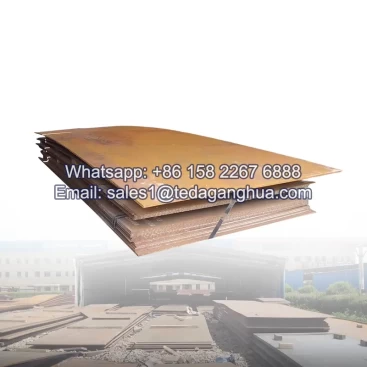
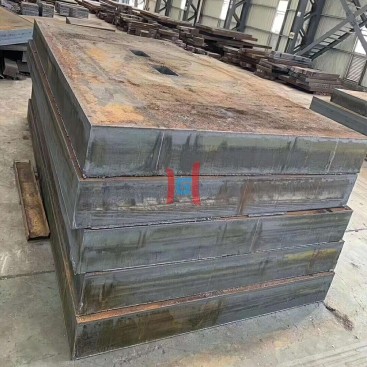
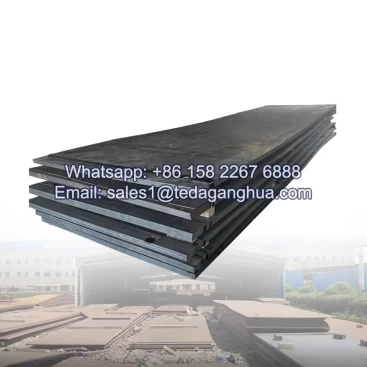
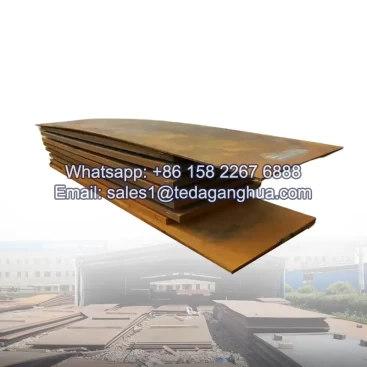
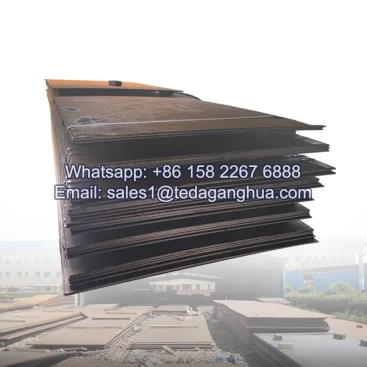
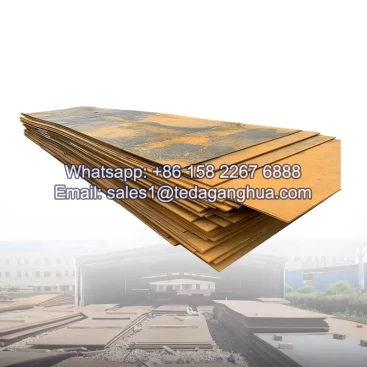
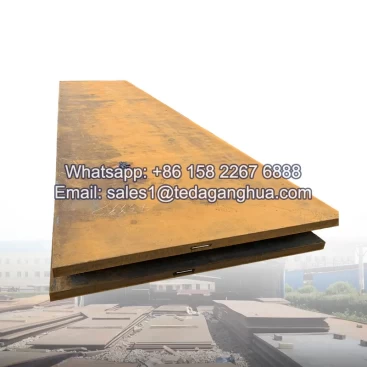
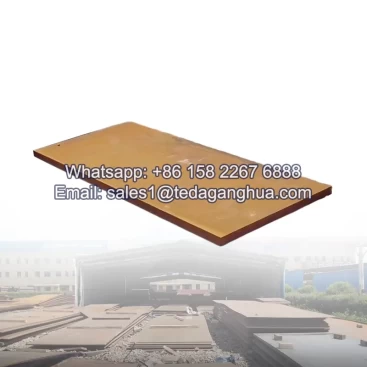
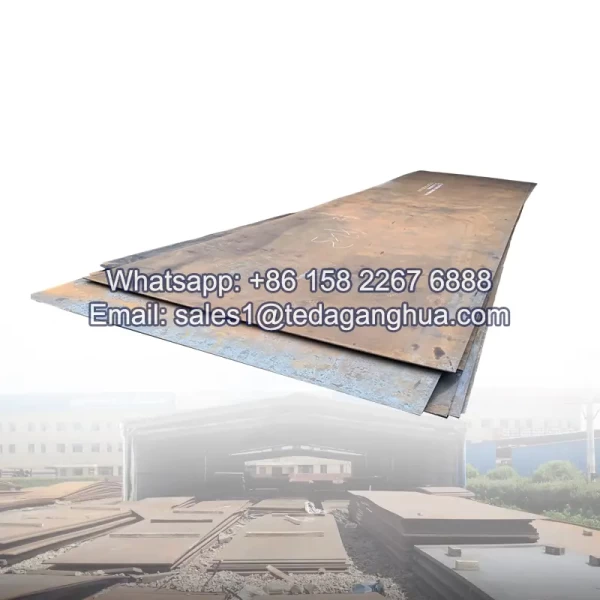
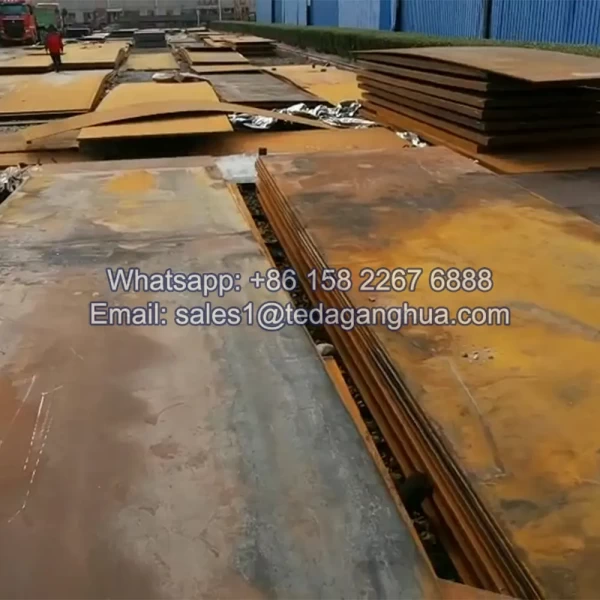
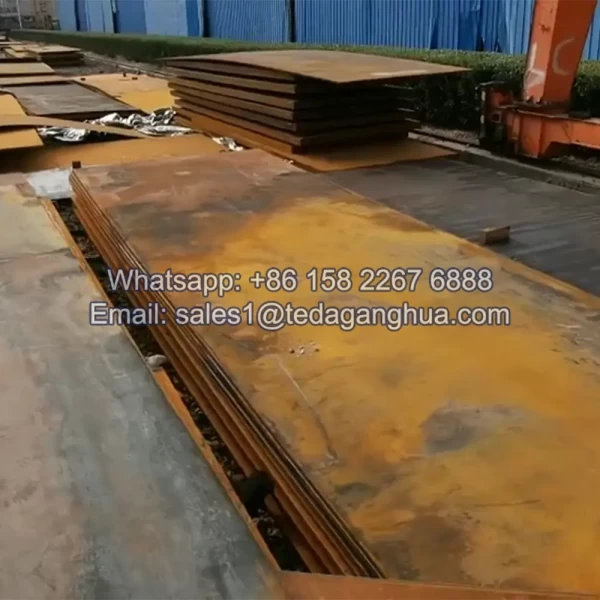
NM series wear plates provide excellent abrasion resistance for heavy-duty industrial equipment. With professional cutting, bending, drilling, welding, and finishing services, these plates can be fabricated into ready-to-install solutions for mining, construction, material handling, and recycling applications.
Proper processing ensures maximum equipment longevity and operational efficiency while minimizing maintenance costs.
- Description
NM series wear plates (such as NM400, NM450, and NM500) are widely used in mining, construction, and heavy industrial machinery for their excellent abrasion and impact resistance. A complete wear plate manufacturing process ensures that these plates are delivered in ready-to-install form, meeting both mechanical performance and dimensional requirements.
Teda Ganghua provides a comprehensive range of NM series wear plate processing and manufacturing services for industrial clients.
1. Cutting and Shaping
NM series wear plates can be precisely cut and shaped to meet equipment specifications. Common cutting methods include:
| Cutting Method | Suitable Material | Notes |
|---|---|---|
| Plasma Cutting | NM400 / NM450 | Fast, precise, minimal heat distortion |
| Laser Cutting | Thin NM plates | High precision, smooth edges |
| Oxy-Fuel Cutting | Thick NM plates | Preheating recommended for high hardness |
| Water Jet Cutting | Complex shapes | No heat-affected zone, preserves surface properties |
This allows plates to be shaped for buckets, chutes, hoppers, and conveyor systems.
2. Bending and Forming
Bending is essential for applications such as hoppers, buckets, and chute liners:
-
NM plates are quenched and tempered, with moderate toughness, allowing bending with proper tooling and radius.
-
Preheating may be applied for thicker plates to avoid cracking.
-
Bending ensures proper coverage of wear-prone surfaces and optimal fit.
3. Drilling and Bolt-On Preparation
For modular wear plate systems:
-
Holes are drilled for bolts to attach plates securely to equipment.
-
Carbide-tipped or high-speed steel drills are used for hardness.
-
Bolt patterns can be customized for quick replacement and maintenance.
4. Welding and Overlay
Permanent attachment of NM series plates requires controlled welding techniques:
-
MMA / Stick Welding, MIG / MAG, and Submerged Arc Welding (SAW) are commonly used.
-
Low-hydrogen electrodes prevent cracking.
-
Preheating may be necessary for plates above certain thicknesses.
-
NM plates can be overlaid or welded to enhance durability in high-wear zones.
5. Surface Preparation and Finishing
-
Remove rust, scale, and oil before processing.
-
Smooth edges to reduce stress concentration.
-
Optional protective coatings for corrosion prevention.
6. Typical Applications for NM Series Plates
NM series wear plates are commonly applied in:
-
Mining & Quarrying: Crusher liners, grizzly bars, chutes, and hoppers
-
Construction Machinery: Loader and excavator bucket protection
-
Industrial Equipment: Conveyor components, feed hoppers, truck bodies
-
Recycling & Material Handling: Shredder hammers, screen liners, and wear bars
The modular design allows partial replacement, reducing downtime and maintenance costs.
7. Advantages of NM Series Wear Plate Processing
-
Customized sizing and shaping for any equipment geometry
-
Improved service life through proper welding and fabrication
-
Modular installation reduces operational downtime
-
Optimal protection against impact and sliding abrasion