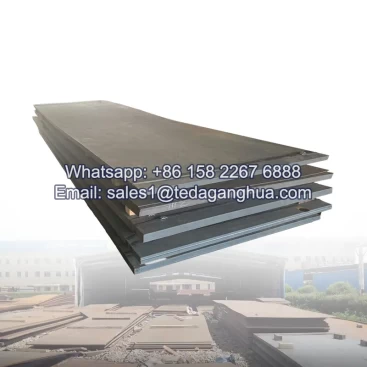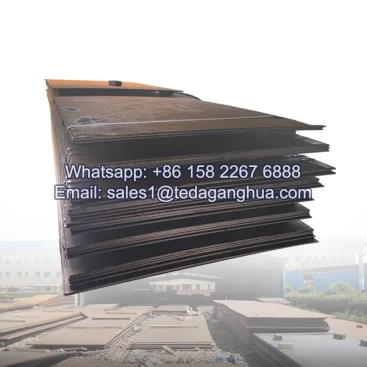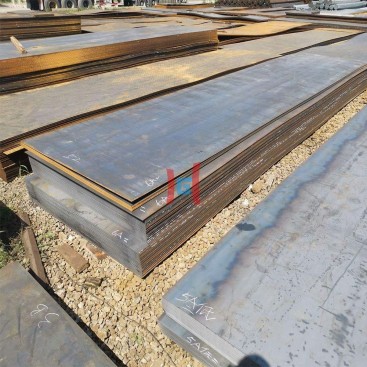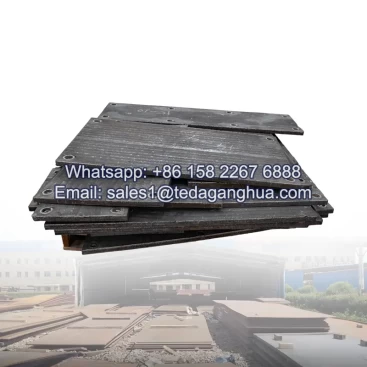
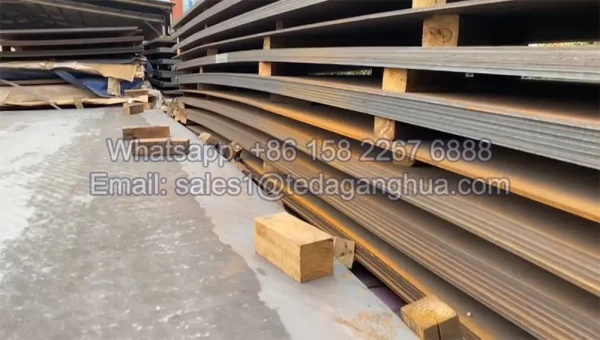
Wear Resistant Stainless Steel
Wear resistant stainless steel and wear resistant steel serve different industrial purposes.
-
Wear resistant stainless steel provides a balanced solution for corrosion and wear environments.
-
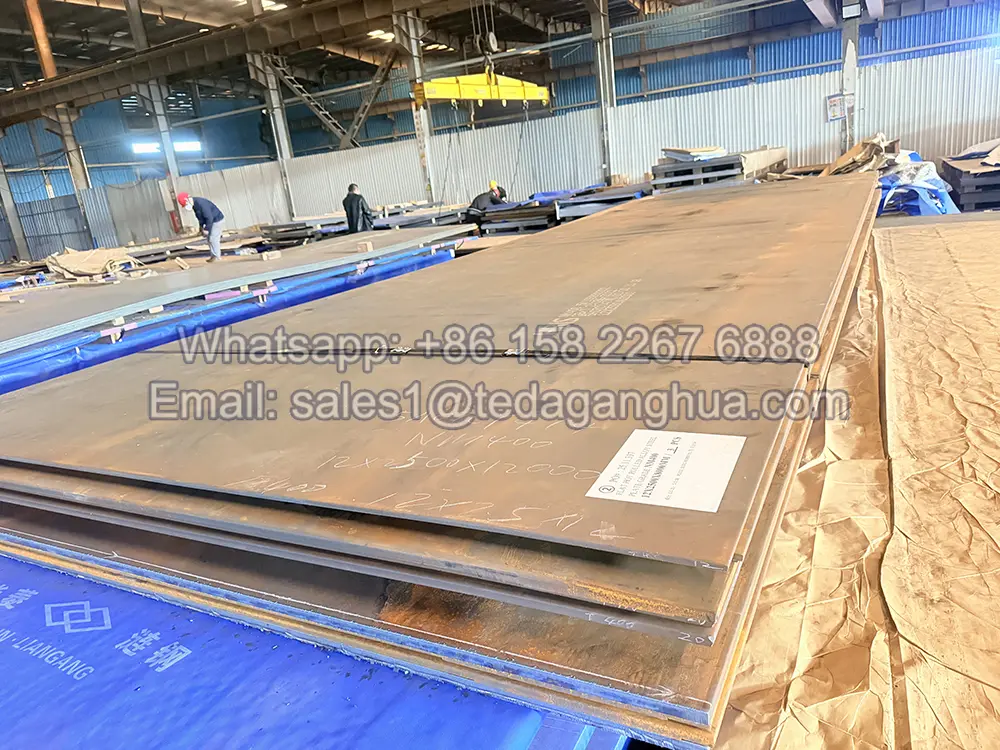
Wear resistant steel (AR plate) is optimized for extreme abrasion and heavy mechanical wear.
Selecting the correct material depends on operating conditions, environmental exposure, and required service life. Proper evaluation of wear type and corrosion risk ensures optimal long-term performance and cost efficiency.
- Description
Wear resistant stainless steel is a type of stainless steel specifically engineered to combine corrosion resistance with enhanced abrasion resistance. Unlike conventional stainless grades that focus primarily on corrosion performance, wear resistant stainless steel is designed to withstand mechanical wear such as sliding friction, erosion, and moderate impact.
This type of material is typically used in environments where both:
-
Corrosive media (moisture, chemicals, salt, food processing fluids), and
-
Abrasive particles (sand, powder, slurry, ore fines)
are present simultaneously.
Wear resistant stainless steel achieves improved performance through:
-
Higher carbon content (in martensitic types)
-
Alloying elements such as chromium (Cr), molybdenum (Mo), vanadium (V), or nitrogen (N)
-
Heat treatment processes (quenching and tempering for martensitic grades)
-
Work hardening mechanisms (in certain austenitic grades)
Types of Wear Resistant Stainless Steel
1. Martensitic Wear Resistant Stainless Steel
-
High hardness after heat treatment
-
Moderate corrosion resistance
-
Good strength and wear resistance
Typical uses:
-
Industrial blades
-
Pump components
-
Valves
-
Mechanical wear parts
2. Austenitic Work-Hardening Stainless Steel
-
Lower initial hardness
-
Hardens under impact and deformation
-
Good corrosion resistance
Used in:
-
Slurry systems
-
Impact-prone wear environments
3. Duplex Stainless Steel (Wear + Corrosion Balance)
-
Higher strength than austenitic grades
-
Better chloride corrosion resistance
-
Moderate abrasion resistance
Suitable for:
-
Offshore equipment
-
Chemical processing
-
Marine wear components
What Is Wear Resistant Steel?
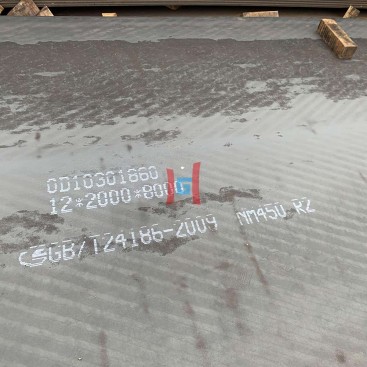
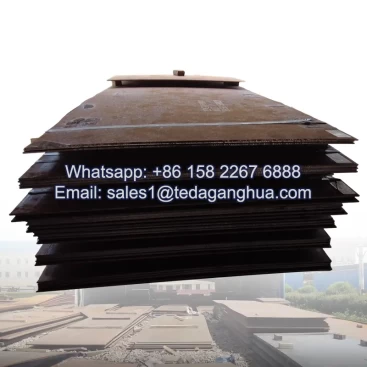
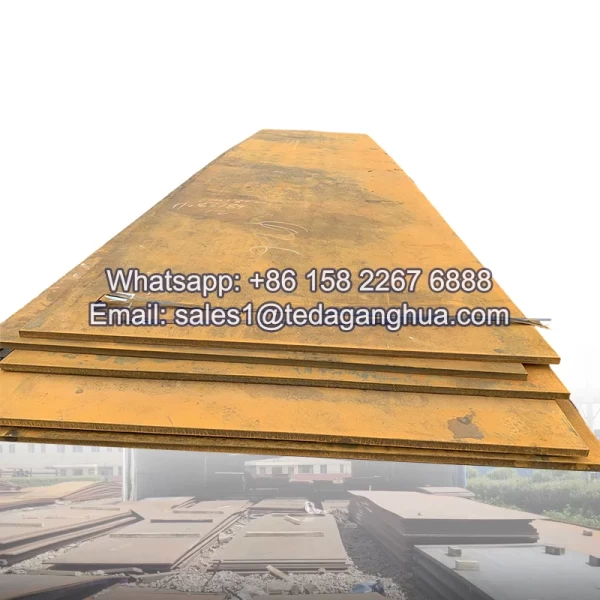
Wear resistant steel (AR steel) refers to high-hardness carbon or low-alloy steels designed primarily for abrasion resistance. These steels are typically quenched and tempered to achieve a martensitic microstructure with hardness levels commonly ranging from 360 HBW to 600+ HBW.
They are widely used in:
-
Mining equipment
-
Construction machinery
-
Crusher liners
-
Dump truck bodies
-
Cement plants
The main focus of wear steel is maximum abrasion resistance, not corrosion resistance.
Key Differences Between Wear Resistant Stainless Steel and Wear Steel
| Comparison Item | Wear Resistant Stainless Steel | Wear Resistant Steel (AR Steel) |
|---|---|---|
| Primary Function | Corrosion + wear resistance | High abrasion resistance |
| Corrosion Resistance | Good to excellent | Low (requires coating or painting) |
| Hardness Range | Moderate to high (varies by type) | High to ultra-high (360–600+ HBW) |
| Alloy Content | High chromium (≥10.5%), often Mo, Ni | Lower alloy content, mainly C, Mn, Cr |
| Heat Treatment | Often required (martensitic types) | Quenched and tempered |
| Cost Level | Generally higher | Generally lower |
| Typical Industries | Food, chemical, marine, slurry systems | Mining, construction, heavy industry |
Performance Mechanism Differences
Wear Resistant Steel (AR Steel)
-
Relies mainly on high hardness to resist material removal
-
Best for dry, high-abrasion environments
-
Not suitable for corrosive conditions without protection
Wear Resistant Stainless Steel
-
Combines hardness with corrosion resistance
-
Suitable for wet abrasion or chemical exposure
-
Better for environments with slurry, saltwater, or chemicals
Application Selection Guidelines
Choose wear resistant stainless steel when:
-
Abrasion occurs in corrosive or humid environments
-
Hygiene requirements exist (food or pharmaceutical industries)
-
Exposure to chemicals or saltwater is present
Choose wear resistant steel (AR steel) when:
-
Abrasion is severe and dry
-
Impact loads are high
-
Corrosion is not a major concern
-
Cost efficiency is critical