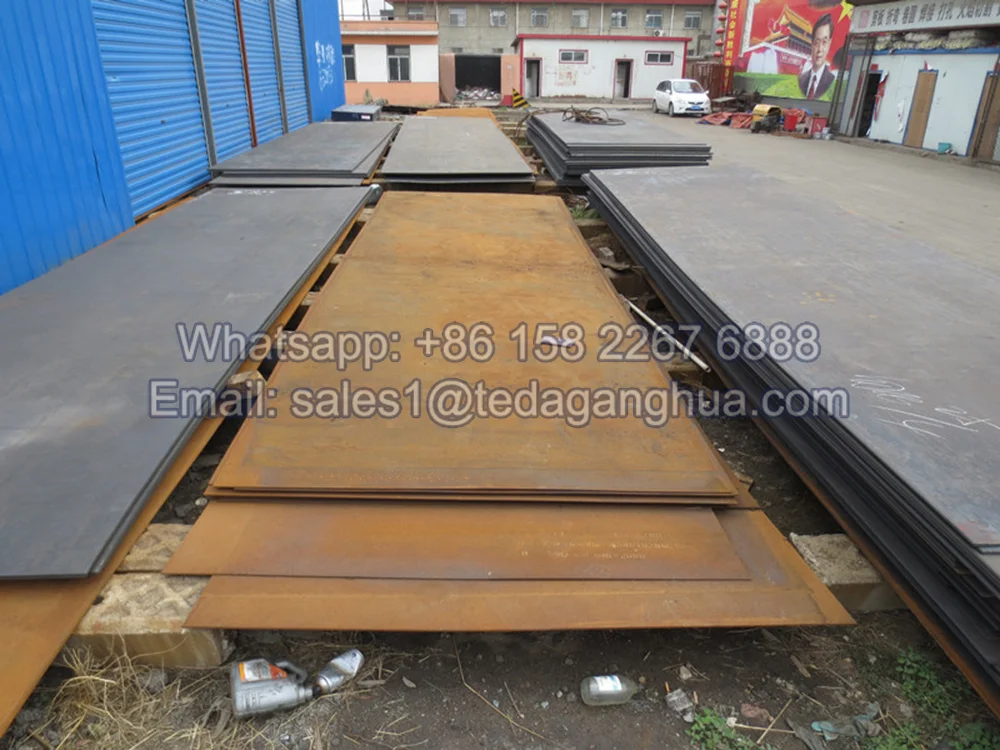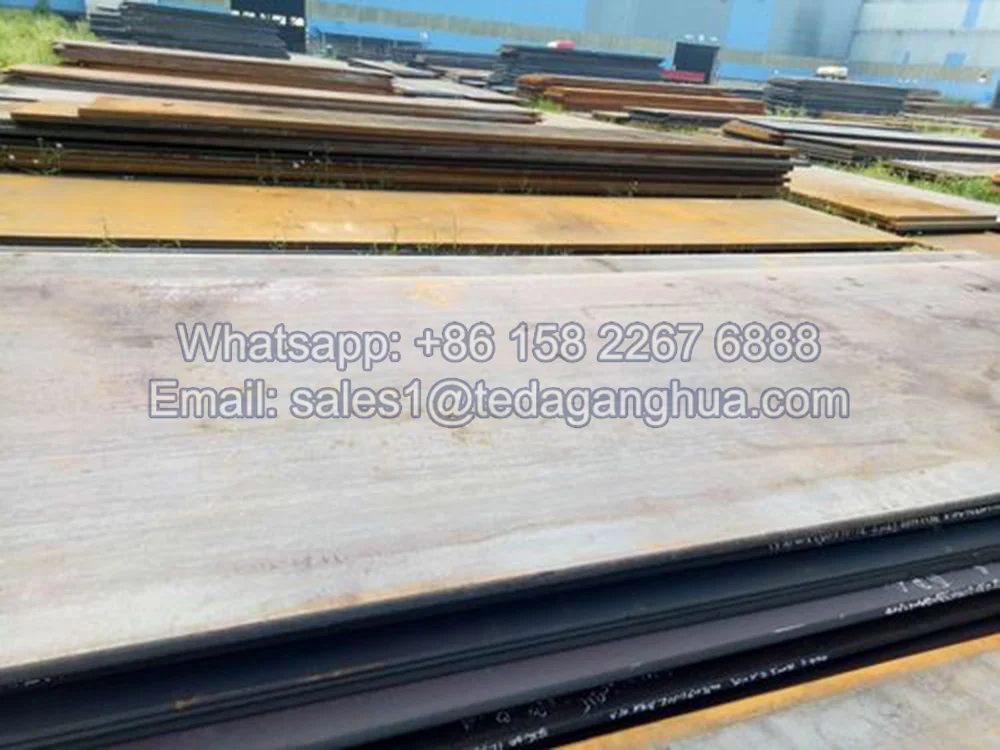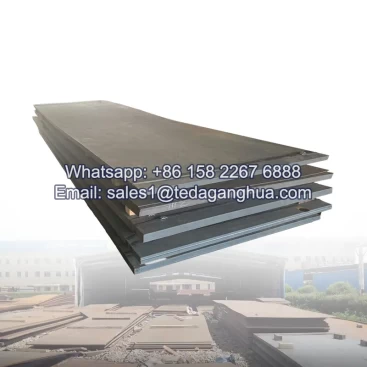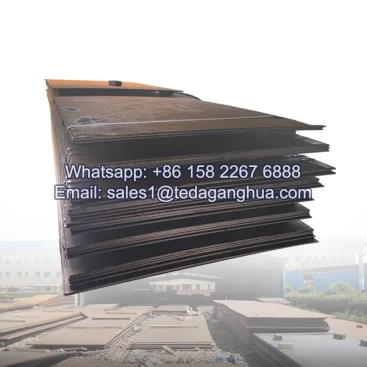
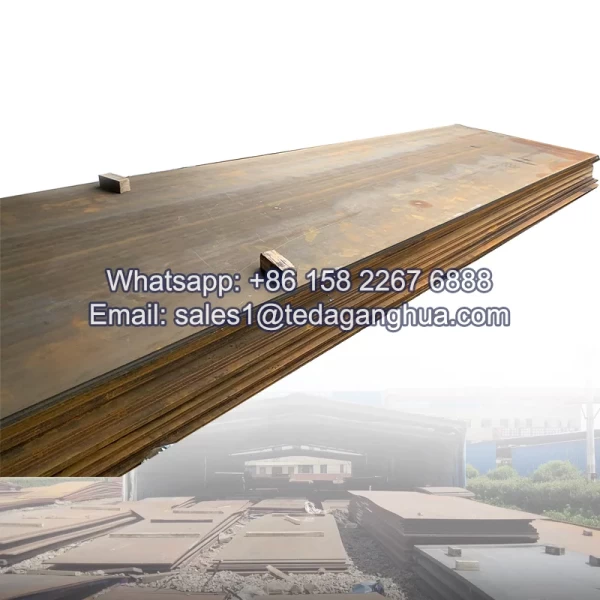
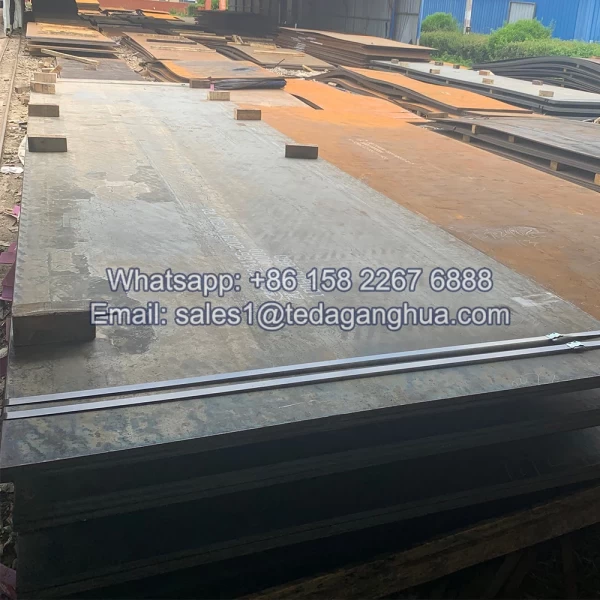
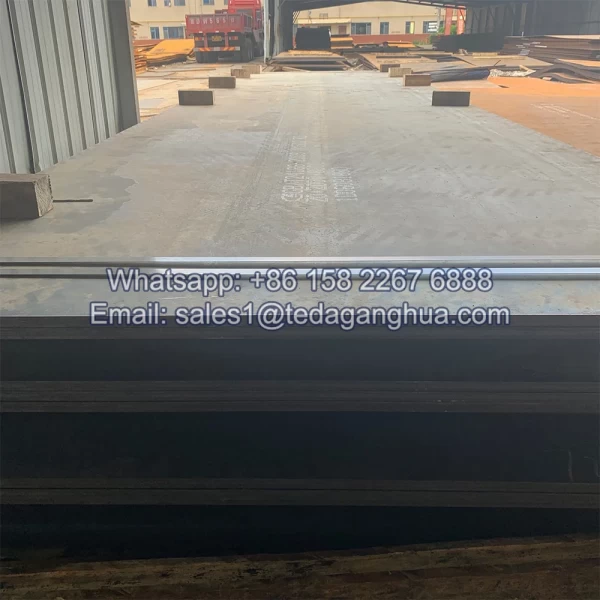
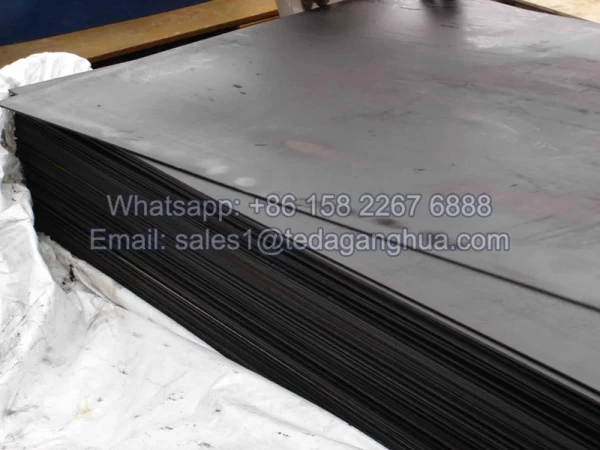
Wear Steel
Wear steel is a critical material solution for industries exposed to abrasive and impact conditions. Grades such as AR400, AR450, AR500, and NM series steels provide structured hardness classifications for different working environments.
Proper grade selection based on hardness, toughness, and application conditions significantly extends equipment service life, reduces downtime, and improves operational efficiency.
- Description
Wear steel, also known as abrasion resistant (AR) steel, is a category of high-strength alloy steel specifically engineered to resist mechanical wear, friction, and surface material loss. It is widely used in mining, quarrying, cement, construction, recycling, and heavy equipment manufacturing industries.
The core performance indicator of wear steel is Brinell Hardness (HBW). Higher hardness generally improves abrasion resistance, while toughness ensures the material can withstand impact without cracking.
Classification of Wear Steel by Hardness
Wear steel grades are typically classified according to nominal hardness values. Common international naming systems include AR (Abrasion Resistant) and NM (Wear Resistant under Chinese GB standard).
Below is a technical comparison of commonly used wear steel grades:
| Grade | Typical Hardness (HBW) | Yield Strength (MPa, approx.) | Key Characteristics | Typical Applications |
|---|---|---|---|---|
| AR360 / NM360 | 320–380 | ≥ 900 | Good wear resistance with high toughness | Conveyor liners, moderate wear components |
| AR400 / NM400 | 370–430 | ≥ 1000 | Balanced hardness and weldability | Buckets, hoppers, dump bodies |
| AR450 / NM450 | 420–480 | ≥ 1100 | Improved abrasion resistance | Loader buckets, wear liners |
| AR500 / NM500 | 470–540 | ≥ 1250 | High hardness for severe wear | Crushers, mining equipment |
| AR550 / NM550 | 530–580 | ≥ 1400 | Very high wear resistance | High-abrasion industrial liners |
| AR600 / NM600 | 570–620+ | ≥ 1600 | Extreme abrasion environments | Heavy mining and impact zones |
Note: Mechanical properties vary by thickness and production process.
Chemical Composition Characteristics
Wear steel achieves high hardness through controlled alloying and heat treatment. Typical alloying elements include:
-
Carbon (C): Increases hardness and strength
-
Manganese (Mn): Improves hardenability and toughness
-
Chromium (Cr): Enhances wear and corrosion resistance
-
Nickel (Ni): Improves toughness
-
Molybdenum (Mo): Increases strength and hardenability
-
Boron (B, small amounts): Significantly improves hardenability
The combination of alloy design and quenching/tempering processes results in a martensitic microstructure, which provides excellent abrasion resistance.
High Manganese Wear Steel (Work-Hardening Type)
Unlike quenched and tempered AR steel, high manganese steel (commonly Mn13 or Hadfield steel) operates under a different wear mechanism.
-
Initial hardness: approximately 200–250 HBW
-
Under impact loading, the surface rapidly work-hardens to much higher hardness levels
-
Excellent performance under combined impact and abrasion
Typical applications include:
-
Rock crushers
-
Railway crossings
-
Heavy impact liners
This grade is suitable where impact loading is dominant rather than pure sliding abrasion.
Thickness Range and Processing
Wear steel plates are commonly supplied in thicknesses from:
-
3 mm to 100 mm (standard range)
-
Custom thickness available for heavy engineering
Processing capabilities typically include:
-
Plasma cutting
-
Laser cutting
-
Bending and forming (within hardness limits)
-
Welding with controlled preheat procedures
Higher hardness grades require more attention during welding and forming due to reduced ductility.
Selection Guidelines for Wear Steel Grades
When selecting wear steel, the following factors must be evaluated:
-
Type of wear (sliding, impact, gouging, or combined)
-
Required service life
-
Impact load intensity
-
Fabrication requirements (cutting, bending, welding)
-
Operating temperature
General recommendations:
-
Moderate abrasion with structural requirements → AR360 / AR400
-
Severe sliding abrasion → AR450 / AR500
-
Extreme abrasion with minimal forming → AR550 / AR600
-
High impact conditions → High manganese steel