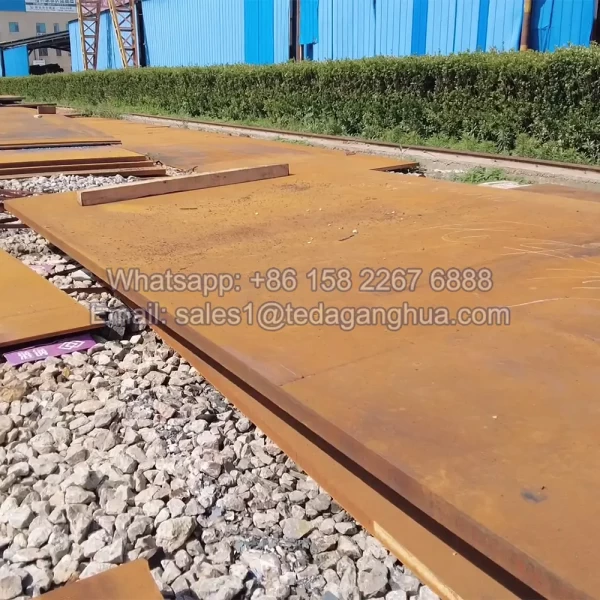
Ar400 Steel Heat Treatment


AR400 steel plates combine carefully controlled chemical composition and precise heat treatment to deliver high wear resistance, toughness, and industrial versatility.
Understanding the alloy composition and heat treatment process is essential for selecting the right steel plate for high-abrasion, heavy-duty applications.
- Description
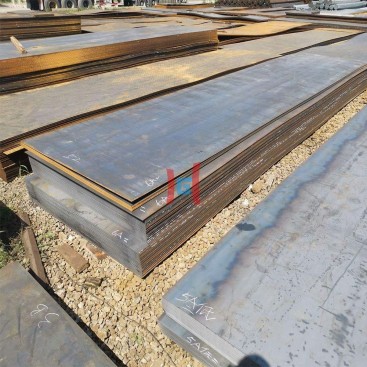
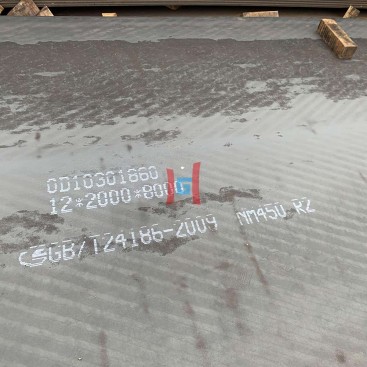
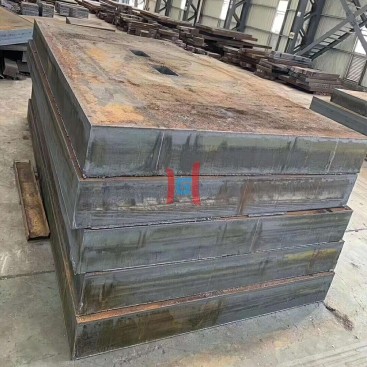
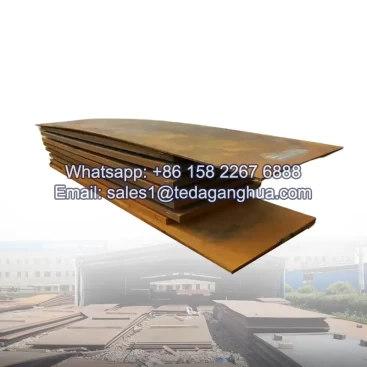
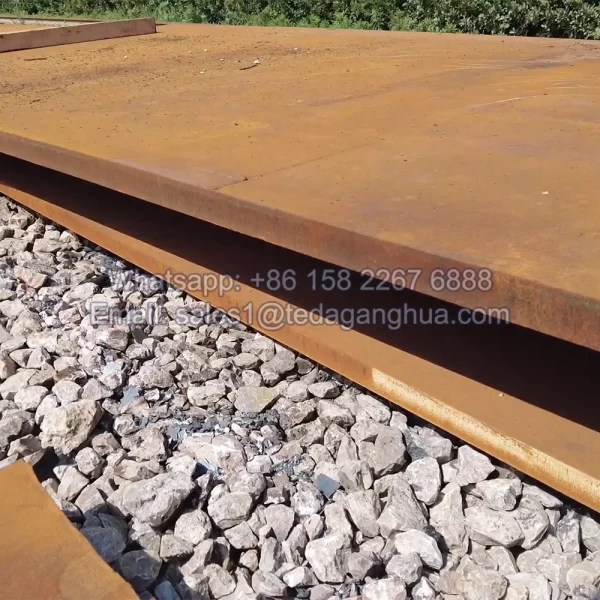
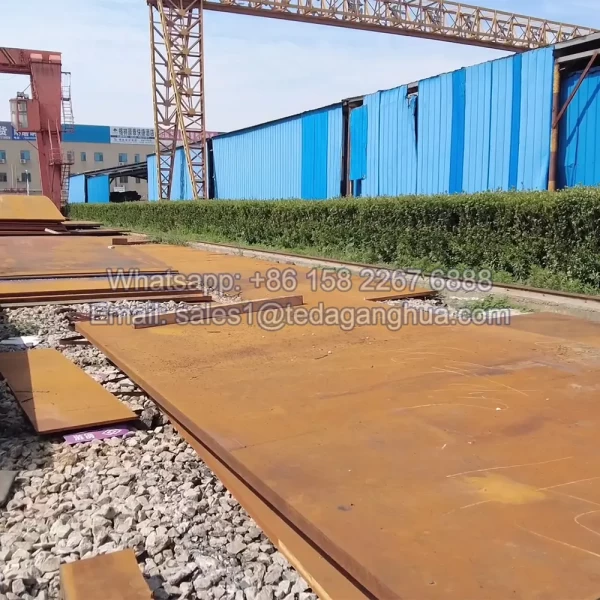
AR400 steel plate is a high-hardness, abrasion-resistant steel widely used in mining, construction, cement, and heavy machinery industries.
Its superior performance is achieved through careful alloy design and controlled heat treatment processes.
1. Chemical Composition
| Element | Content (%) | Function |
|---|---|---|
| Carbon (C) | 0.20–0.25 | Provides hardness and wear resistance |
| Manganese (Mn) | 1.2–1.5 | Improves toughness and hardenability |
| Chromium (Cr) | 0.8–1.2 | Enhances wear resistance and corrosion protection |
| Molybdenum (Mo) | 0.2–0.3 | Improves toughness and high-temperature strength |
| Nickel (Ni) | ~0.3 | Enhances impact toughness and ductility |
Summary:
-
AR400 is a medium-carbon, low-alloy steel optimized for high hardness and impact resistance.
-
The chemical composition allows the plate to be welded, cut, and fabricated for industrial applications.
2. Mechanical Properties
| Property | Value |
|---|---|
| Hardness (HB) | 400 ± 20 |
| Tensile Strength (MPa) | 850–950 |
| Yield Strength (MPa) | 550–700 |
| Impact Toughness (J) | 25–35 at room temperature |
Performance Highlights:
-
High abrasion resistance suitable for crusher liners, buckets, hoppers, and chutes
-
Good balance of hardness and toughness for high-impact environments
-
Suitable for both industrial and heavy-duty applications
3. Heat Treatment Process
The AR400 plate achieves its performance through the following heat treatment steps:
-
Quenching
-
The steel is heated to 900–950°C, then rapidly cooled in water or oil.
-
This produces a martensitic structure, increasing hardness.
-
-
Tempering
-
The quenched steel is reheated to 200–250°C and held to reduce brittleness.
-
Improves impact toughness while maintaining wear resistance.
-
-
Surface Processing
-
AR400 plates are often shot-blasted or ground to remove scale and prepare for welding or fabrication.
-
Notes:
-
Proper heat treatment ensures consistent hardness across the plate.
-
Thickness, cooling rate, and alloy content influence the final hardness and toughness.
4. Fabrication and Applications
Fabrication:
-
Can be cut, welded, and machined using standard industrial techniques.
-
Overlays and hardfacing can further enhance wear resistance.
Applications:
-
Mining equipment: crusher liners, bucket liners, hoppers
-
Construction: mixer blades, conveyor liners
-
Heavy machinery: dump truck bodies, loader arms
-
Cement and metallurgy: feed chutes, furnace liners