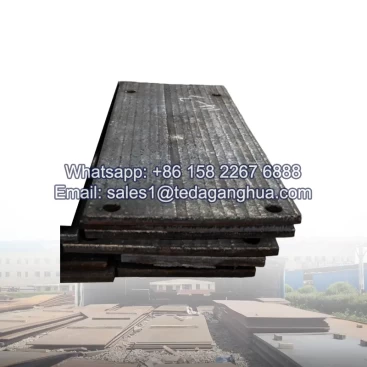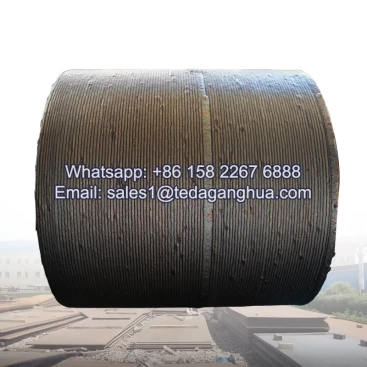
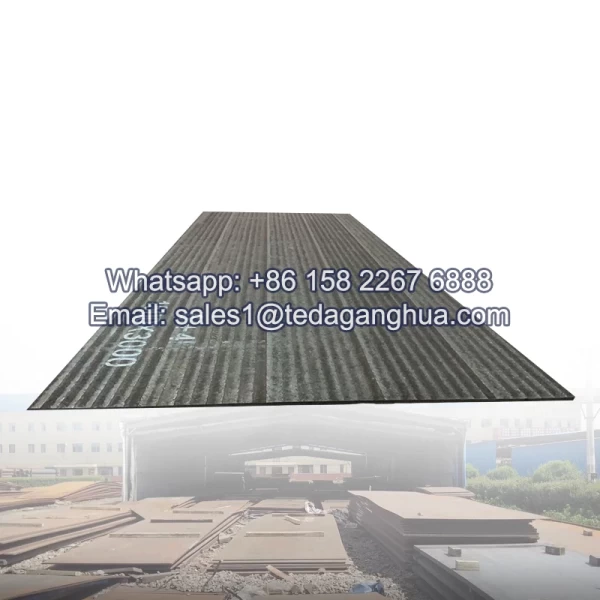
Welding Steel
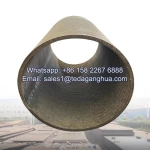
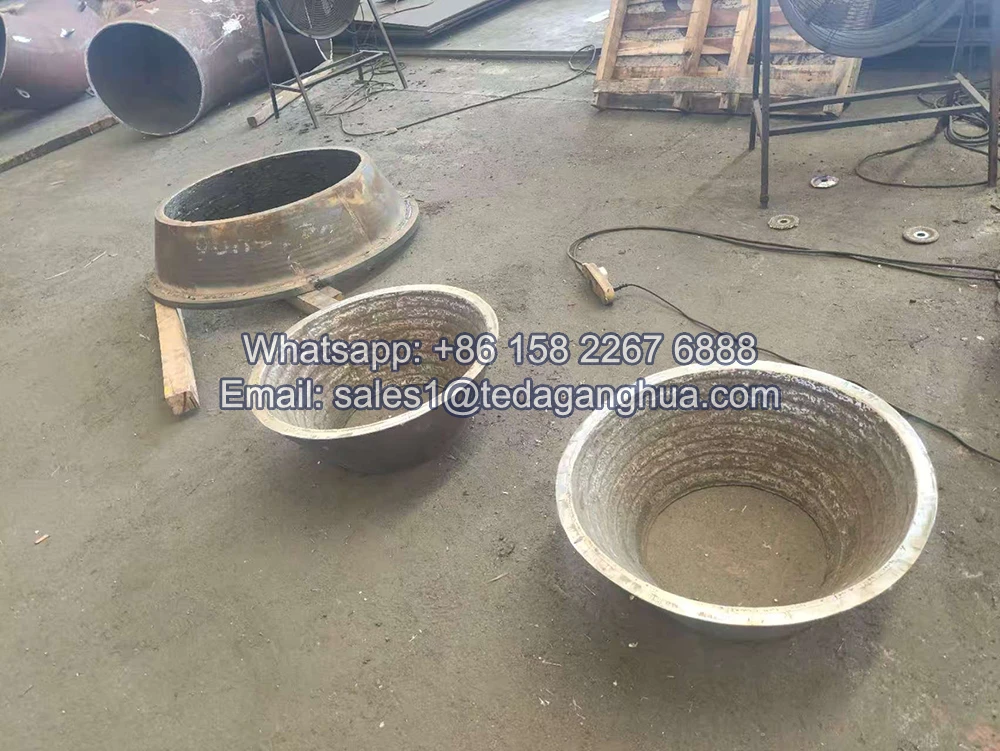
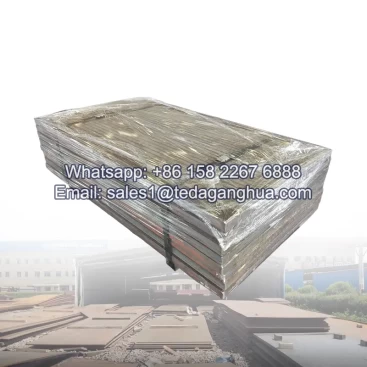
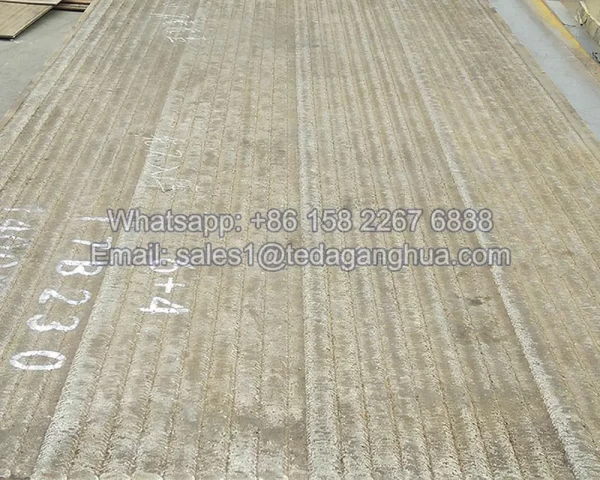
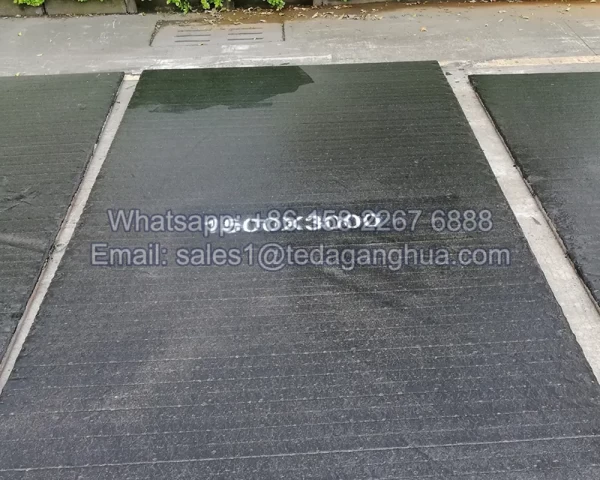
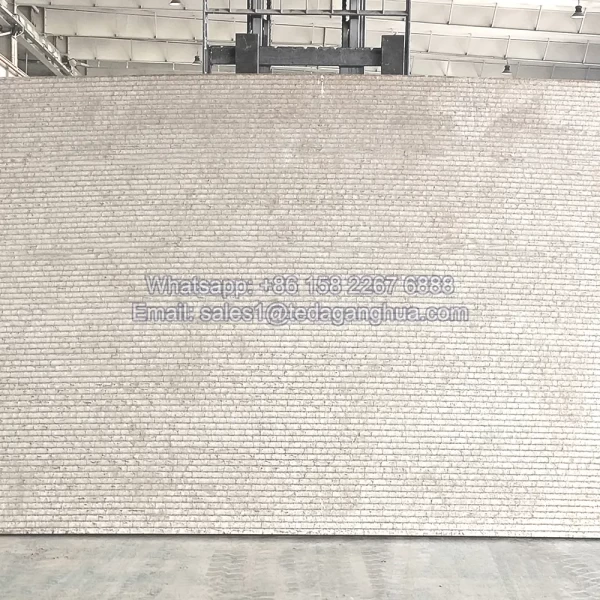
A hardfacing overlay plate is called welding steel because it is created by welding, not by rolling. Its wear-resistant surface, microstructure, and performance are all produced by weld metallurgy, making it a true welded steel product. This is why hardfacing plates are widely used as industrial welding steel for severe abrasion and impact environments.
- Description
Welding steel refers to steel products that are created or enhanced through welding processes. A hardfacing overlay plate is a typical example of welding steel because it is manufactured by welding a wear-resistant alloy layer onto a steel base plate. Unlike ordinary rolled steel plates, its final performance is achieved through weld metallurgy, not only through steelmaking.
What Is a Hardfacing Overlay Plate
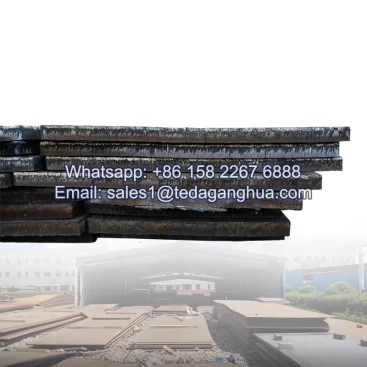
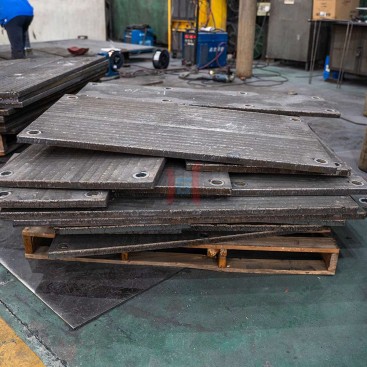
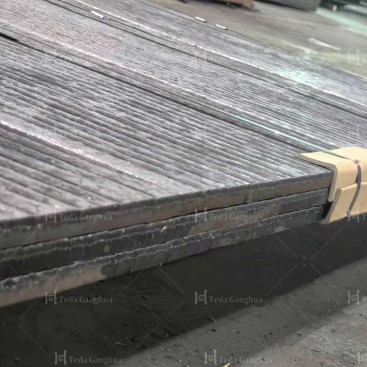
A hardfacing plate is a composite welding steel plate made of:
| Layer | Function |
|---|---|
| Base Steel Plate | Provides strength, toughness, and structural support |
| Welded Hardfacing Layer | Provides extreme wear, abrasion, and impact resistance |
The hardfacing layer is not glued or bonded mechanically — it is metallurgically welded to the base plate, forming a single, integrated steel structure.
Why Hardfacing Plates Are Welding Steel
1. They Are Made by Welding, Not Rolling
Traditional steel plates are produced by casting and rolling.
Hardfacing plates are produced by depositing molten alloy steel onto another steel plate using welding arcs.
This makes the plate a weld-built steel product, not a single-grade steel.
2. The Wear Layer Is Created by Weld Metallurgy
During welding, alloy wire or flux melts and forms a molten weld pool on the base plate.
When it solidifies, hard carbide structures form inside the overlay layer.
This is a welding-controlled microstructure, which means:
-
Hardness
-
Wear resistance
-
Crack pattern
-
Bonding strength
are all determined by the welding process, not just the raw material.
3. The Bond Is Metallurgical, Not Mechanical
In hardfacing plates, the overlay is:
-
Fused into the base steel
-
Forms atomic-level bonding
-
Cannot be peeled or separated
This is the key characteristic of welding steel — the product exists only because of weld fusion.
4. Performance Comes from Welding Technology
The wear resistance of a hardfacing plate comes from:
-
Welding current
-
Travel speed
-
Heat input
-
Alloy chemistry
-
Cooling rate
These are welding parameters, not steel rolling parameters.
That is why hardfacing plates are classified as engineered welding steel.
Difference Between Welding Steel and Normal Steel Plate
| Item | Normal Steel Plate | Hardfacing Welding Steel |
|---|---|---|
| Manufacturing | Rolled from steel slab | Built by welding |
| Wear resistance | Comes from base steel | Comes from welded alloy |
| Structure | Single steel grade | Composite welded structure |
| Bonding | Solid steel | Weld fusion layer |
| Repairable | No | Yes, can be re-welded |