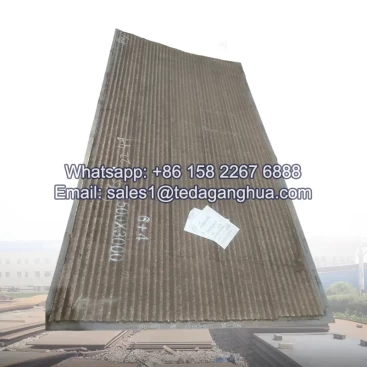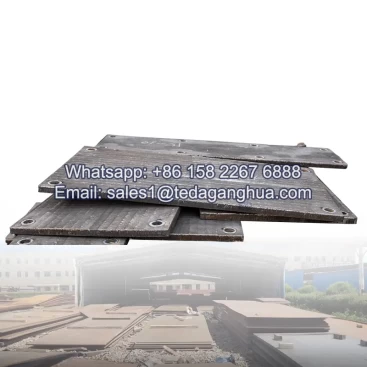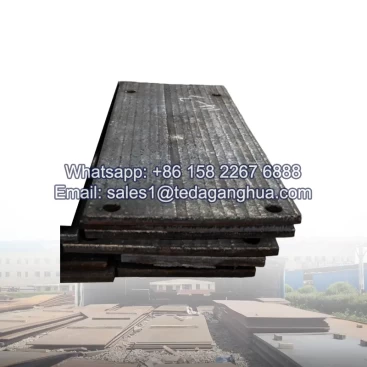
Welding Metal Plate
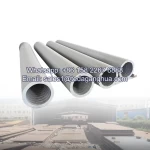
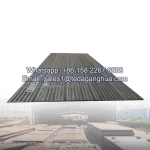
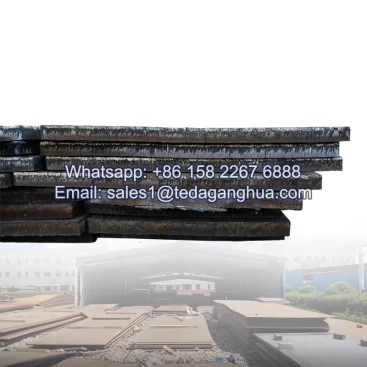
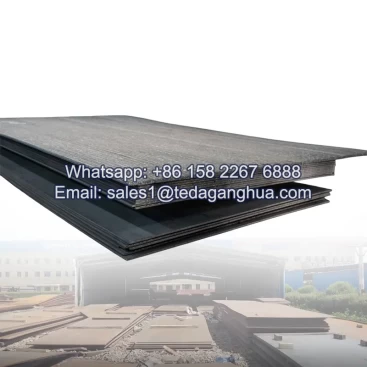
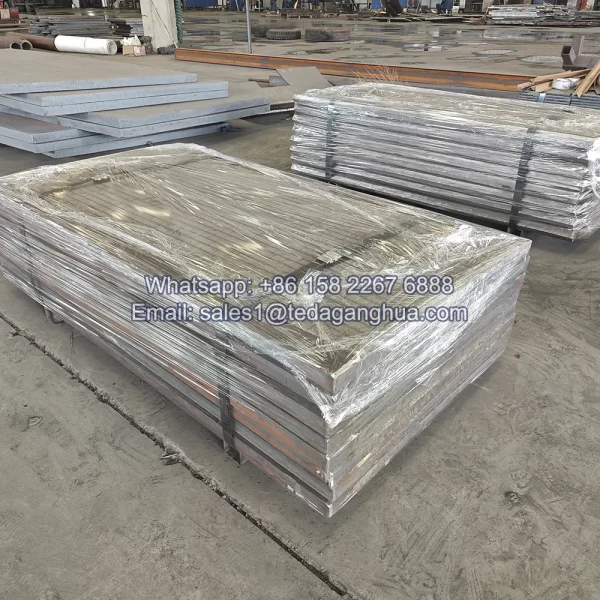
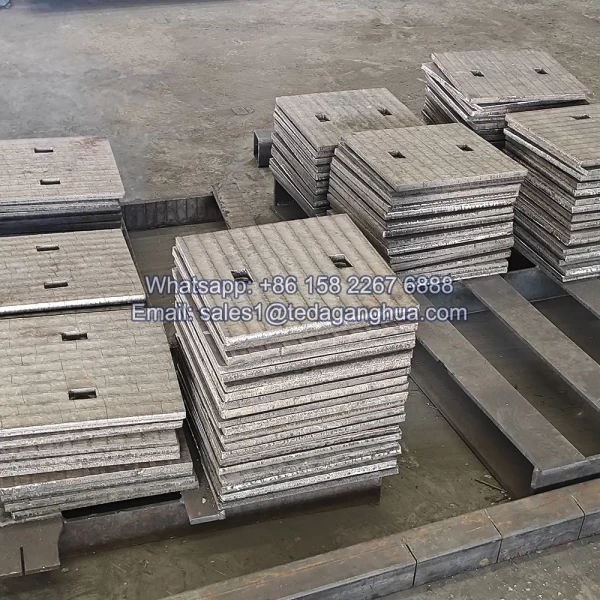
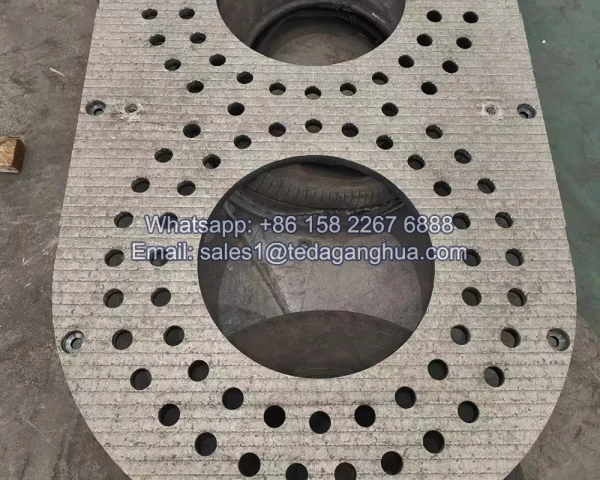
A welding metal plate (hardfacing overlay plate) is manufactured by welding a wear-resistant alloy layer onto a steel base plate. Through controlled welding, carbide formation, and precision processing, the plate gains exceptional abrasion resistance, impact strength, and long service life, making it essential for heavy-duty industrial wear protection.
- Description
A welding metal plate, commonly called a hardfacing overlay plate, is a composite steel plate produced by welding a wear-resistant alloy layer onto a carbon or low-alloy steel base plate. This welding process creates a surface that is extremely resistant to abrasion, impact, and erosion, while maintaining the strength and toughness of the base steel.
Hardfacing plates are widely used in mining, cement plants, power stations, steel mills, and material handling systems.
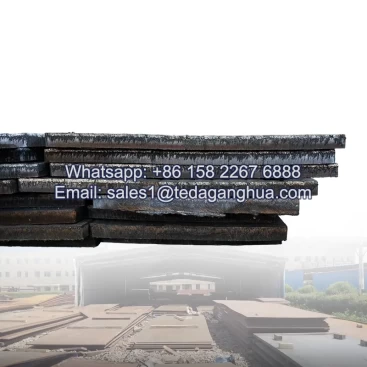
Structure of a Welding Metal Plate
A hardfacing plate consists of two main layers:
| Layer | Function |
|---|---|
| Base Plate | Provides structural strength and weldability |
| Hardfacing Layer | Provides wear, abrasion, and impact resistance |
The hardfacing layer is typically made of chromium carbide, tungsten carbide, or alloy steel, depending on the required wear performance.
Welding Process Used to Make Hardfacing Plates
1. Base Plate Preparation
The base steel plate is cleaned to remove oil, rust, and scale. A clean surface ensures strong bonding between the base metal and the overlay.
2. Hardfacing Welding
The wear-resistant alloy is deposited onto the steel plate using automated welding methods such as:
-
Submerged Arc Welding (SAW)
-
Flux-Cored Arc Welding (FCAW)
-
Open Arc Welding (OAW)
These welding processes allow precise control of alloy composition and bead thickness.
3. Alloy Deposition
During welding, molten alloy metal is deposited on the surface. As it cools, hard carbide particles form inside the overlay, creating a very hard and wear-resistant surface layer.
Typical overlay thickness:
-
3 mm to 8 mm
-
Can be applied in single or multiple layers
4. Controlled Cooling
After welding, the plate cools under controlled conditions. This prevents:
-
Cracking
-
Distortion
-
Weak bonding
This step ensures high metallurgical bonding strength between the overlay and base plate.
5. Cutting and Finishing
The finished plate is cut into required sizes using:
-
Plasma cutting
-
Laser cutting
-
Water jet cutting
Edges and surfaces are then finished to meet installation requirements.
Why Welding Is Used for Hardfacing Plates
Welding allows:
-
Strong metallurgical bonding between layers
-
Precise control of alloy composition
-
High wear and abrasion resistance
-
Cost-effective production of large wear plates
Compared with solid alloy steel, a welded hardfacing plate provides better performance at lower cost.
Common Applications of Welding Metal Plates
Hardfacing overlay plates are used in:
-
Chutes and hoppers
-
Conveyor liners
-
Crusher and mill liners
-
Coal handling systems
-
Cement and mining equipment
-
Power plant ash systems
These environments involve high abrasion, impact, and sliding wear, where normal steel would wear out quickly.