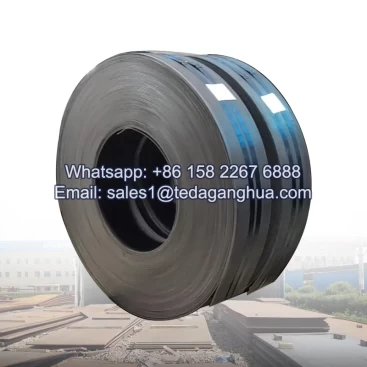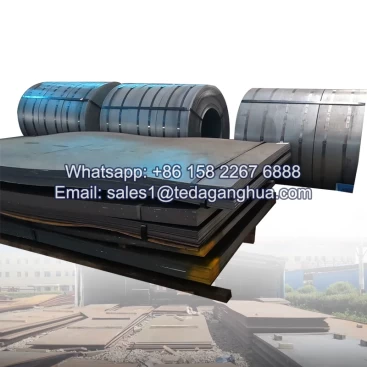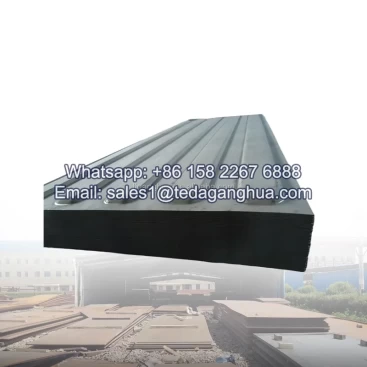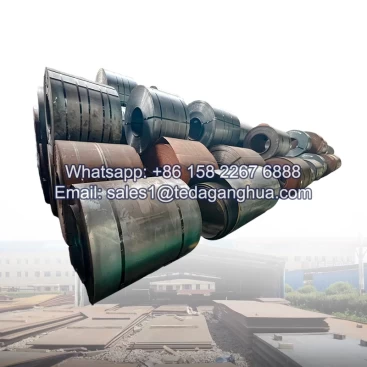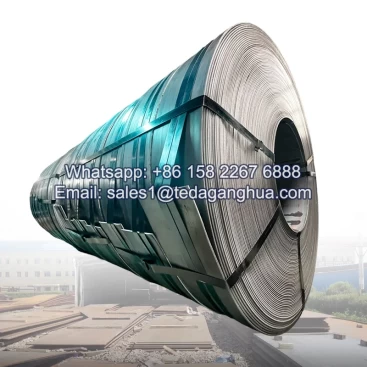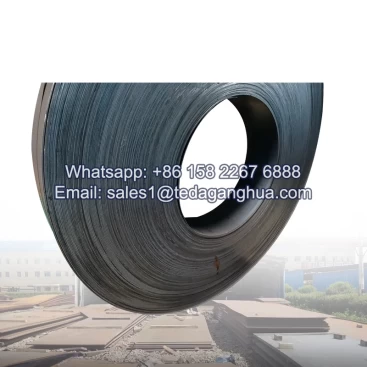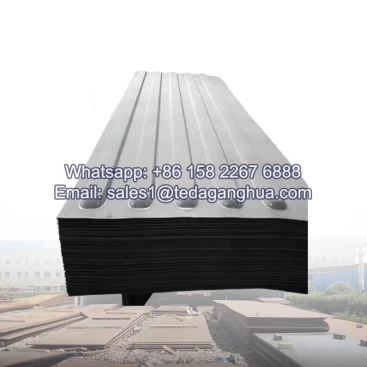
A588 Corten Steel

A588 Corten steel is one of the most widely used weathering structural steels because it combines high strength, atmospheric corrosion resistance, and good fabrication performance.
Compared with other weathering steels such as SPA-H, A588 is more commonly used in heavy structural applications, while SPA-H is often used in architectural sheets and decorative weathering steel panels. This difference in strength and application range explains why A588 remains one of the most important weathering steel grades in structural engineering.
- Description
A588 Corten steel is a high-strength low-alloy weathering steel widely used in structural and architectural applications. It is designed to form a stable protective oxide layer when exposed to the atmosphere, which slows corrosion and extends the service life of the steel without requiring heavy protective coatings.
Among weathering steel grades, A588 is one of the most widely used structural weathering steels, especially in infrastructure, construction, and heavy engineering projects.
Chemical Composition of A588 Corten Steel
A588 weathering steel contains alloying elements that improve corrosion resistance and mechanical strength.
| Element | Typical Content (%) |
|---|---|
| Carbon (C) | ≤ 0.19 |
| Manganese (Mn) | 0.80 – 1.25 |
| Silicon (Si) | 0.30 – 0.65 |
| Phosphorus (P) | ≤ 0.04 |
| Sulfur (S) | ≤ 0.05 |
| Copper (Cu) | 0.25 – 0.40 |
| Chromium (Cr) | 0.40 – 0.70 |
| Nickel (Ni) | ≤ 0.40 |
The combination of copper, chromium, and nickel allows the steel to form a dense rust layer that protects the internal steel from further corrosion.
Why A588 Corten Steel Is the Most Common Weathering Steel
A588 steel is widely used because it offers a balanced combination of strength, corrosion resistance, and structural reliability.
Main reasons for its popularity include:
High structural strength
A588 has higher yield strength than many general weathering steels, making it suitable for heavy structural applications.
Excellent atmospheric corrosion resistance
The alloy composition allows the steel to develop a stable protective patina in outdoor environments.
Wide structural approval standards
A588 steel meets structural engineering standards used in bridges, buildings, and transportation infrastructure.
Good weldability and fabrication performance
It can be cut, welded, and formed into large structural components.
Because of these advantages, A588 steel is widely used in bridges, buildings, infrastructure, and large outdoor structures.
Difference Between A588 Corten Steel and Other Weathering Steels
Weathering steels include several grades designed for different applications. A588 differs mainly in strength level and structural use.
| Steel Grade | Main Feature | Typical Use |
|---|---|---|
| A588 | High-strength structural weathering steel | Bridges, heavy structures |
| A242 | Early weathering steel grade | Structural plates and beams |
| A606 | Thin sheet weathering steel | Roofing and cladding |
| SPA-H | Japanese weathering steel sheet | Architecture and structural panels |
A588 is typically used in thicker plates and structural applications, while some other grades are more commonly used in thin sheets and architectural panels.
A588 Corten Steel vs SPA-H
A588 and SPA-H are two commonly used weathering steels, but they are produced under different standards and used in slightly different applications.
| Property | A588 Steel | SPA-H Steel |
|---|---|---|
| Standard | ASTM | JIS |
| Strength | Higher structural strength | Moderate structural strength |
| Typical Thickness | Medium to thick plates | Thin sheets and plates |
| Main Applications | Bridges, structural frames | Architectural panels, cladding |
| Corrosion Resistance | Excellent | Excellent |
A588 steel is generally preferred for large structural projects, while SPA-H steel is widely used in architectural panels, landscape structures, and weathering steel decorative elements.
Common Applications of A588 Corten Steel
Due to its structural strength and corrosion resistance, A588 weathering steel is used in many outdoor engineering projects.
Typical applications include:
-
Bridge girders and structural beams
-
Building structural frames
-
Transportation infrastructure
-
Outdoor sculptures and architectural structures
-
Heavy structural steel fabrication
These applications benefit from the steel’s long service life and reduced maintenance requirements.