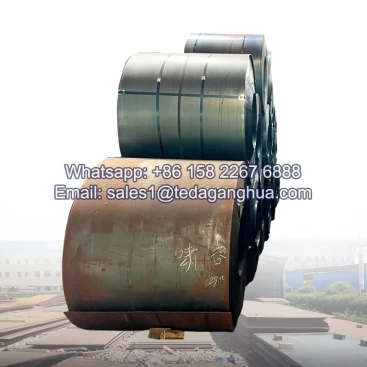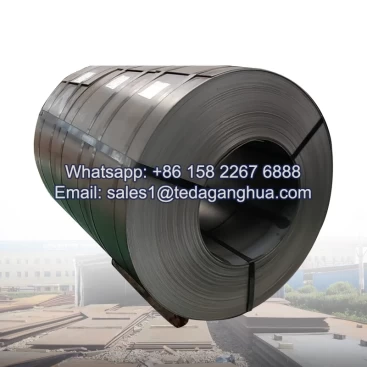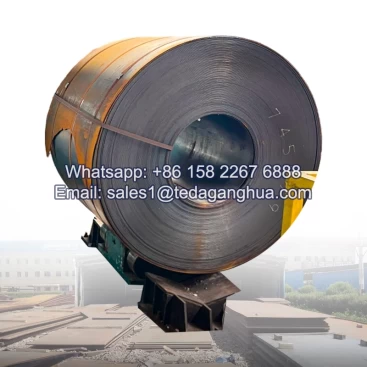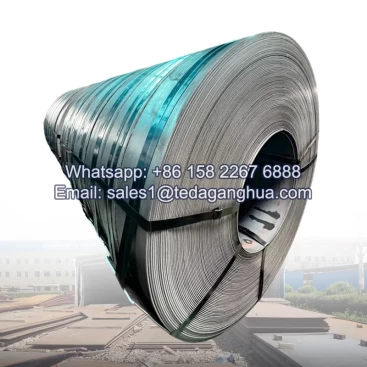
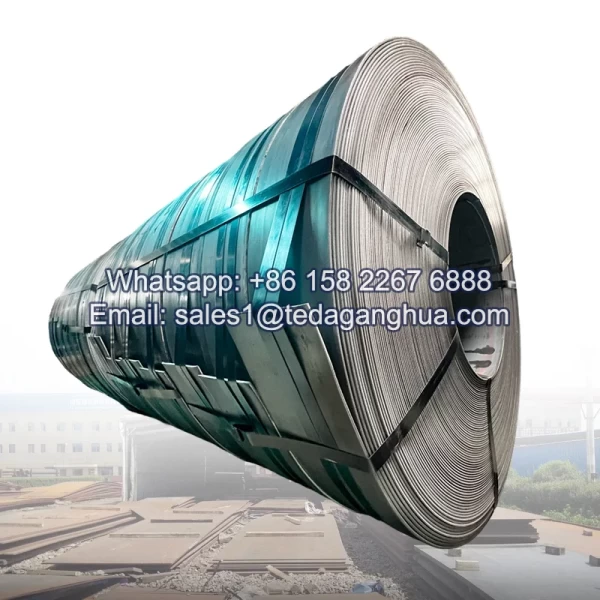
Corten Steel Material
Corten steel is a high-strength, low-alloy weathering steel that combines durability, corrosion resistance, and a unique aesthetic appearance. Common grades include Corten A, Corten B, and European equivalents like S355J0WP. Its alloy composition—containing chromium, copper, nickel, and small amounts of phosphorus and titanium—ensures that it develops a protective surface layer, reducing ongoing corrosion while maintaining mechanical strength.
- Description
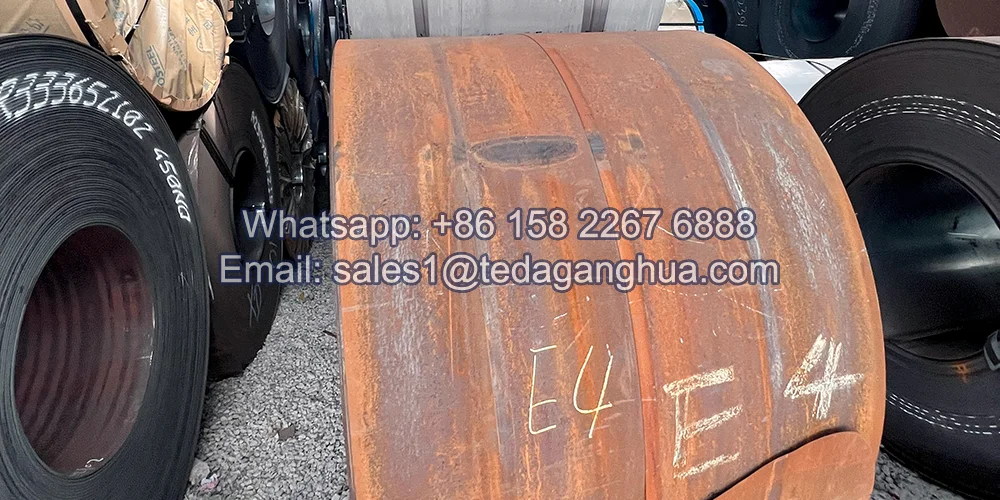
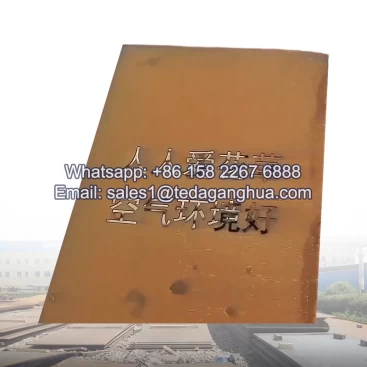
Corten steel, also known as weathering steel, is a group of high-strength, low-alloy steels specifically designed to form a stable rust-like protective layer when exposed to weather. This protective oxide layer significantly reduces the rate of corrosion compared to ordinary carbon steel, making Corten steel ideal for outdoor and structural applications without additional protective coatings.
The material is widely used in architecture, bridges, sculptures, and industrial structures due to its combination of high strength, corrosion resistance, and unique aesthetic appearance.
Common Grades of Corten Steel
Corten steel is typically produced in several standard grades depending on regional standards and specific applications. The most widely used grades include:
| Grade | Standard | Notes |
|---|---|---|
| Corten A | ASTM A588 (U.S.) | High-strength low-alloy steel for atmospheric exposure; moderate thickness applications |
| Corten B | ASTM A242 (U.S.) | Similar to Corten A, slightly higher corrosion resistance; ideal for bridges and structures |
| S355J0WP | EN 10025-5 (Europe) | European equivalent of weathering steel; good weldability and structural performance |
| S355W | EN 10025-5 (Europe) | Weathering steel with enhanced corrosion resistance for outdoor use |
Corten steel grades are selected based on exposure conditions, structural requirements, and thickness of the material.
Chemical Composition of Corten Steel
The protective corrosion resistance of Corten steel comes from its alloying elements, including chromium, copper, and nickel, which help form a stable oxide layer on the surface. Titanium may also be added to improve structural stability.
| Element | Typical Content (%) | Function |
|---|---|---|
| Carbon (C) | 0.12 – 0.25 | Provides strength while maintaining workability |
| Manganese (Mn) | 0.50 – 1.00 | Improves tensile strength and toughness |
| Phosphorus (P) | 0.04 – 0.07 | Enhances corrosion resistance in the initial weathering stage |
| Sulfur (S) | ≤0.05 | Controlled to improve weldability |
| Silicon (Si) | 0.30 – 0.75 | Oxidation resistance |
| Chromium (Cr) | 0.50 – 1.25 | Enhances corrosion resistance and stabilizes patina |
| Copper (Cu) | 0.25 – 0.55 | Improves resistance to atmospheric corrosion |
| Nickel (Ni) | ≤0.65 | Contributes to weathering performance |
| Titanium (Ti) | ≤0.20 | Stabilizes the structure and improves weldability |
| Iron (Fe) | Balance | Base metal |
The combination of these elements allows Corten steel to form a stable, self-protecting surface that reduces ongoing corrosion while maintaining mechanical strength.
Mechanical Properties of Corten Steel
| Property | Typical Value |
|---|---|
| Tensile Strength | 485 – 620 MPa |
| Yield Strength | ≥355 MPa |
| Elongation | ≥20% |
| Hardness | 150 – 180 HB |
| Density | 7.85 g/cm³ |
Corten steel offers good weldability, formability, and toughness, which makes it suitable for fabrication of panels, structural components, and outdoor installations.
Key Characteristics of Corten Steel
-
Self-protecting patina: Forms a protective oxide layer that prevents deep corrosion
-
High strength: Suitable for structural applications
-
Weather resistance: Performs well under atmospheric exposure
-
Aesthetic appeal: Rusted surface creates an industrial, natural look
-
Low maintenance: Eliminates the need for painting or coatings in most outdoor environments