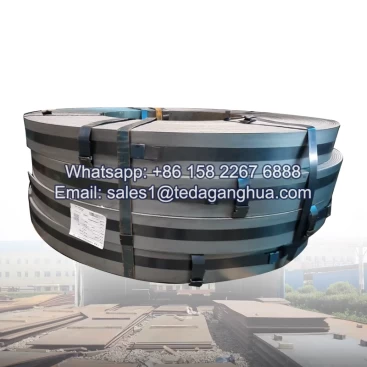
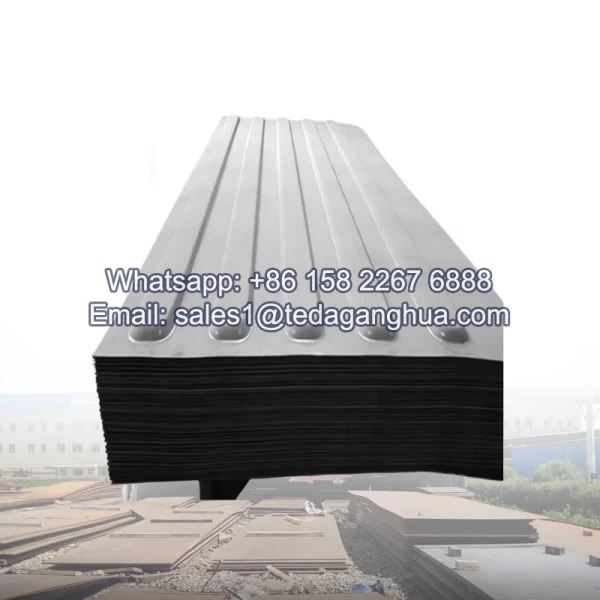
Corten Containers
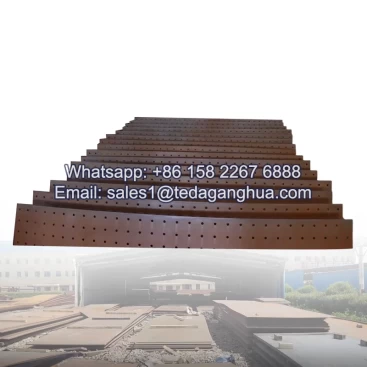
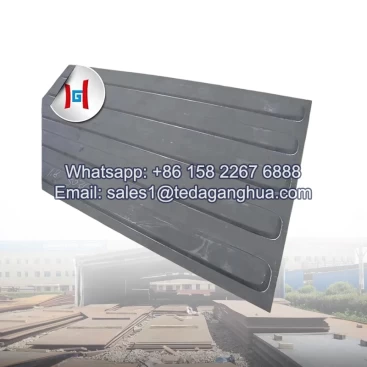
Corten steel containers consist of several key structural components, including side panels, roof panels, front and rear panels, and floor structures. Each component is designed with different thickness, corrugation profiles, and load-bearing capacities to ensure the container can safely handle heavy cargo, transportation stress, and harsh outdoor environments.
- Description
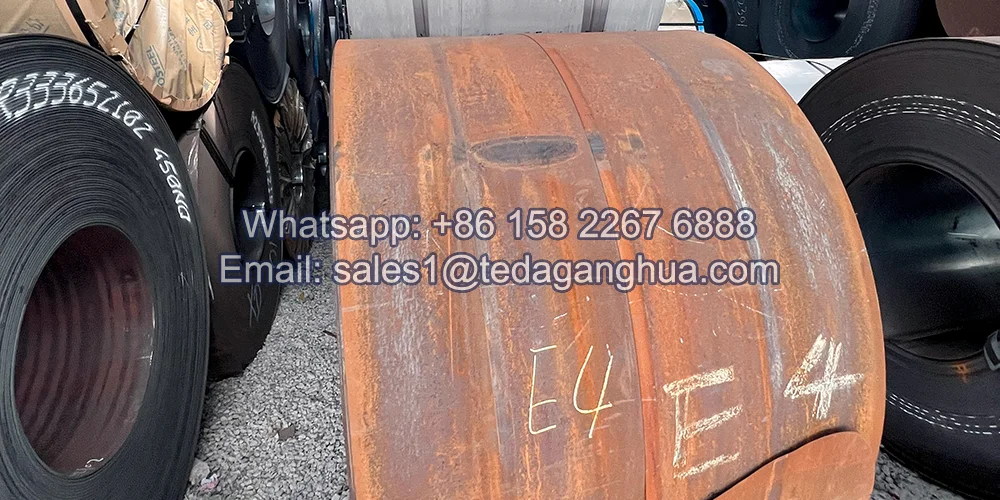
Corten containers are shipping containers manufactured primarily from weathering steel (Corten steel). This material is widely used in container manufacturing because of its high strength, excellent atmospheric corrosion resistance, and long service life in marine transportation environments.
Shipping containers are composed of several structural steel components, each designed with different thickness, strength requirements, and structural functions. The most important Corten steel components include side panels, roof panels, and floor structures.
Main Types of Corten Steel Container Panels
Shipping containers use different types of Corten steel panels depending on their location and load requirements.
| Panel Type | Main Function | Typical Thickness | Structural Features |
|---|---|---|---|
| Side Panels (Container Side Walls) | Provide structural support and protect cargo | 1.6 – 2.0 mm | Corrugated profile for increased rigidity |
| Roof Panels (Container Top Panels) | Protect cargo from rain and external environment | 1.6 – 2.0 mm | Lighter structure with shallow corrugation |
| Front / Rear Panels | Strengthen the container frame and maintain structural stability | 1.6 – 2.0 mm | Reinforced steel panels |
| Floor Structure (Container Bottom) | Support heavy cargo loads | 4.0 – 6.0 mm steel cross members with wooden or steel flooring | Strong load-bearing structure |
Each component plays a different role in ensuring that the container can safely transport goods across long-distance land and ocean routes.
Differences Between Container Panels
Although most container panels are made from weathering steel, their design and structural characteristics vary according to their function.
| Feature | Side Panels | Roof Panels | Bottom Structure |
|---|---|---|---|
| Structural Load | Moderate structural load | Light structural load | Highest load-bearing requirement |
| Corrugation | Deep corrugation for strength | Shallow corrugation | Usually flat structure with cross beams |
| Thickness | Medium thickness | Similar or slightly thinner | Much thicker structural steel |
| Function | Protect cargo and provide rigidity | Weather protection | Support cargo weight |
The corrugated design of side panels increases stiffness and allows the container to maintain structural strength while using relatively thin steel sheets.
Why Corten Steel Is Used in Containers
Corten steel is preferred for container manufacturing due to its unique material properties.
| Property | Benefit for Containers |
|---|---|
| Atmospheric Corrosion Resistance | Withstands humid and marine environments |
| High Strength | Supports container stacking and heavy loads |
| Durability | Long service life during international transportation |
| Structural Stability | Maintains shape under transport vibration and impact |
The alloy elements in weathering steel help form a stable oxide layer, which protects the steel from further corrosion.