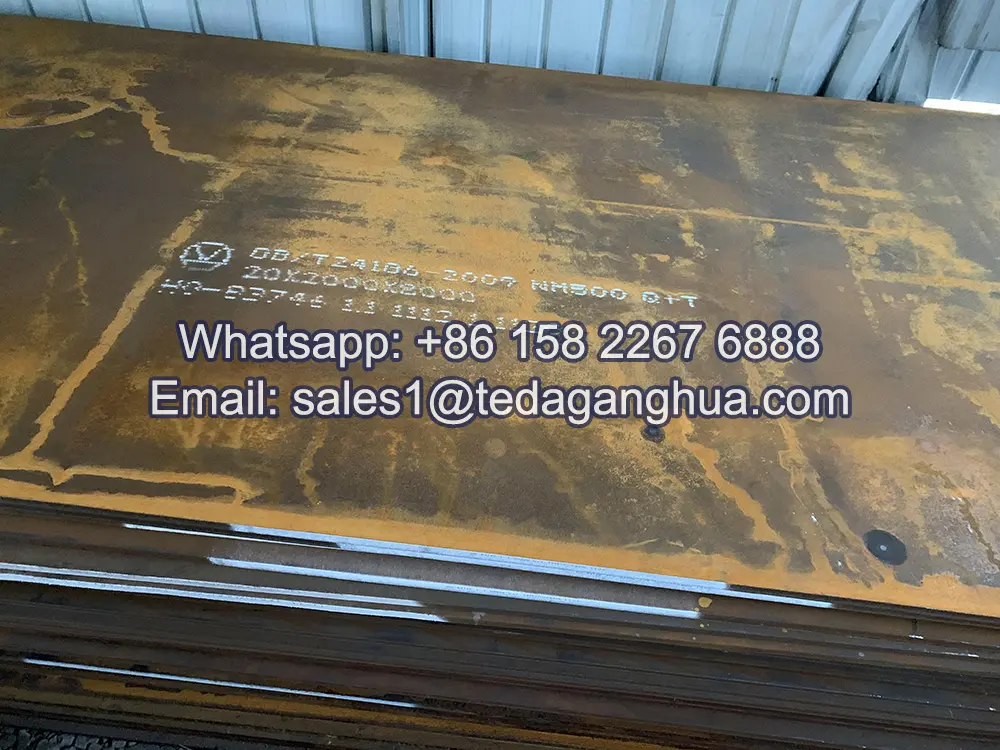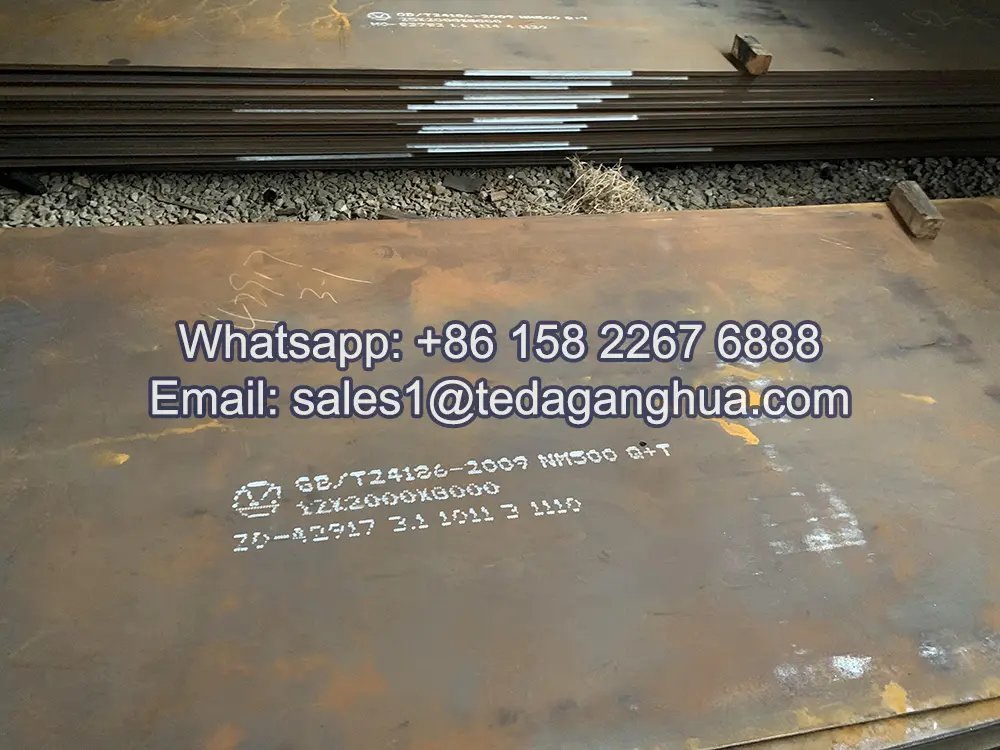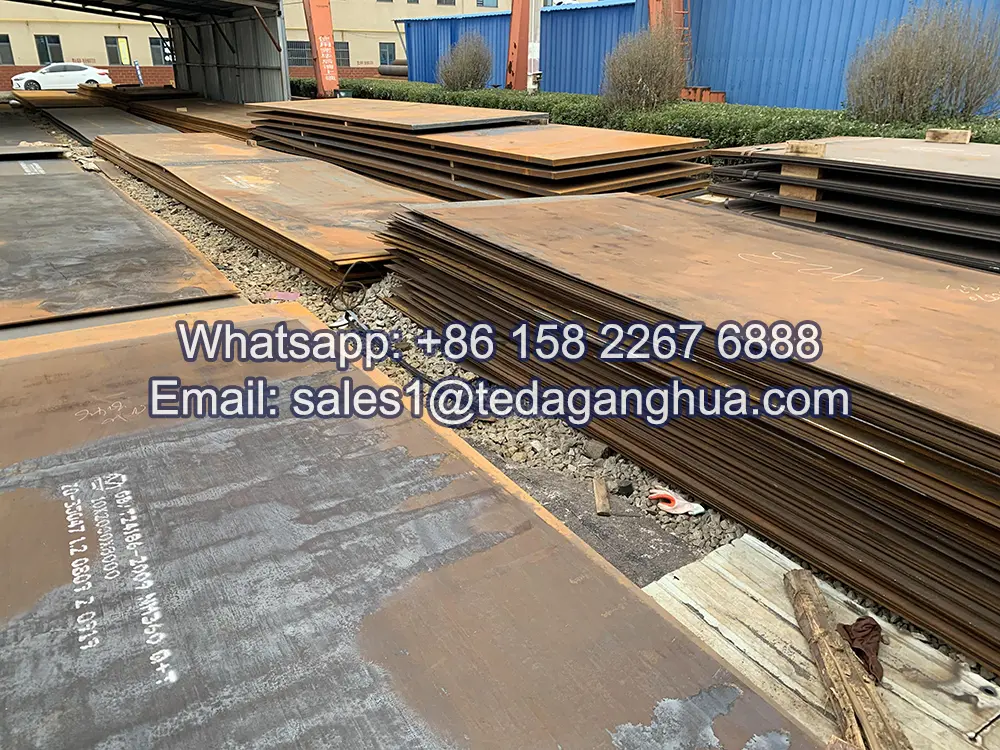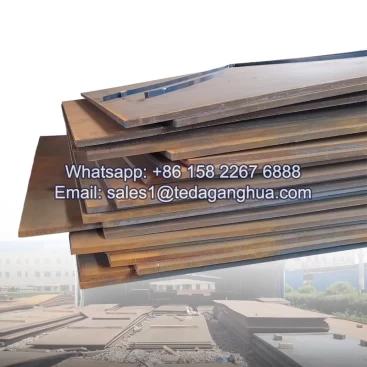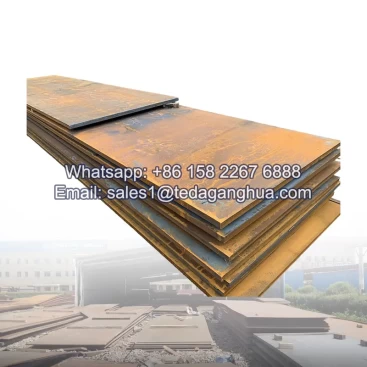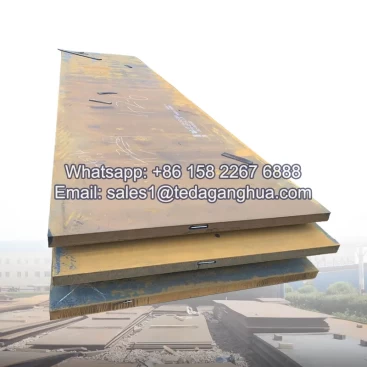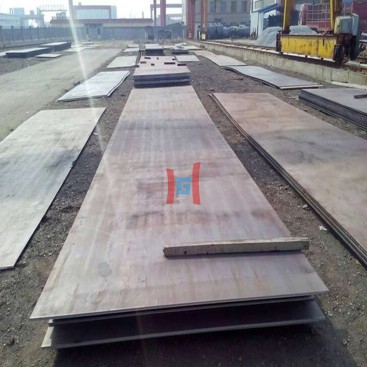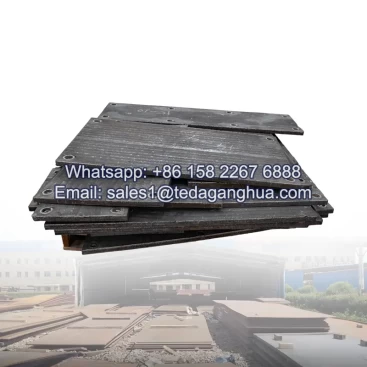
Abrasion Resistant Wear Plates
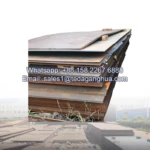
Abrasion resistant wear plates are available in multiple international grade systems including AR, Hardox, NM, XAR, and EH series. Each system offers different hardness levels and performance balances for specific industrial environments.
- Description
Abrasion resistant wear plates are high-hardness steel materials specifically designed to resist friction, impact, and abrasive wear in severe industrial environments. These steels are widely used in mining, cement production, construction machinery, recycling systems, and heavy material handling equipment.
Internationally, abrasion resistant steels are classified by hardness level, alloy system, or regional standards. Different countries and manufacturers use different grade naming systems, but most materials are designed around the same principle: achieving a balance between hardness, toughness, and weldability.
1. AR Series (North American Standard)
The AR series is one of the most widely recognized international abrasion resistant steel systems.
“AR” stands for Abrasion Resistant.
| Grade | Approximate Hardness | Main Characteristics |
|---|---|---|
| AR400 | ~400 HB | Good wear resistance and weldability |
| AR450 | ~450 HB | Improved abrasion resistance |
| AR500 | ~500 HB | High wear resistance for severe conditions |
| AR600 | ~600 HB | Extreme wear resistance, limited formability |
Typical Applications
- Mining truck liners
- Crusher liners
- Conveyor chutes
- Excavator buckets
2. Hardox Series (Sweden)
Hardox is a globally recognized wear plate system developed for high-performance abrasive environments.
| Grade | Hardness | Characteristics |
|---|---|---|
| Hardox 400 | ~400 HB | Balanced toughness and wear resistance |
| Hardox 450 | ~450 HB | Improved service life |
| Hardox 500 | ~500 HB | Excellent abrasion resistance |
| Hardox 550/600 | Very high hardness | Extreme wear environments |
Features
- Excellent impact resistance
- High toughness despite hardness
- Good processing and welding capability
Common Applications
- Dump truck bodies
- Heavy mining equipment
- Industrial wear liners
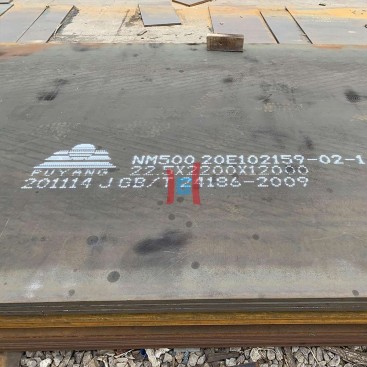
3. NM Series (China Standard)
The NM series is one of the most common wear plate systems used in China.
“NM” generally refers to wear resistant steel plate.
| Grade | Approximate Hardness | Main Use |
|---|---|---|
| NM360 | ~360 HB | General wear conditions |
| NM400 | ~400 HB | Mining and construction |
| NM450 | ~450 HB | Medium-heavy wear |
| NM500 | ~500 HB | Severe abrasion conditions |
Characteristics
- Similar performance to AR grades
- Widely used in industrial fabrication
- Good cost-performance balance
4. XAR Series (Germany)
XAR wear plates are European high-hardness abrasion resistant steels.
| Grade | Hardness | Characteristics |
|---|---|---|
| XAR400 | ~400 HB | Good wear resistance |
| XAR450 | ~450 HB | Increased abrasion performance |
| XAR500 | ~500 HB | Severe wear applications |
Applications
- Cement equipment
- Earthmoving machinery
- Bulk material handling systems
5. JFE EH Series (Japan)
Japanese wear-resistant steels are known for stable quality and impact resistance.
| Grade | Hardness | Features |
|---|---|---|
| EH360 | ~360 HB | Good weldability |
| EH400 | ~400 HB | Balanced wear and toughness |
| EH500 | ~500 HB | High wear resistance |
Typical Uses
- Industrial machinery
- Steel mill liners
- Mining equipment
6. High Manganese Wear Steel (Mn13)
Unlike quenched wear plates, Mn13 is a work-hardening wear steel.
Characteristics
- Surface hardens under impact
- Excellent impact resistance
- Good for high-impact wear conditions
Applications
- Crusher jaws
- Railway crossings
- Impact liners
7. Comparison of Major Wear Plate Grades
| Grade System | Hardness Range | Main Advantage |
|---|---|---|
| AR Series | 400–600 HB | International standard recognition |
| Hardox | 400–600 HB | High toughness and premium quality |
| NM Series | 360–500 HB | Cost-effective industrial use |
| XAR Series | 400–500 HB | European engineering applications |
| Mn13 Steel | Work hardening | High impact resistance |
8. Selection Considerations
Different abrasion resistant wear plates are selected based on:
- Type of wear (sliding, impact, gouging)
- Required hardness level
- Weldability requirements
- Processing complexity
- Service environment
Higher hardness usually improves wear resistance, while lower hardness grades often provide better toughness and easier fabrication.