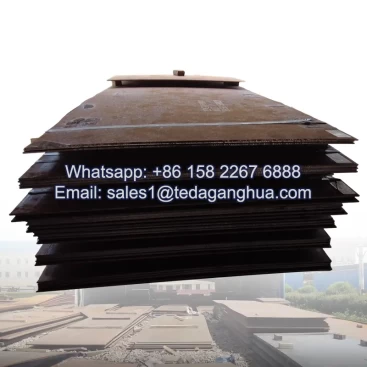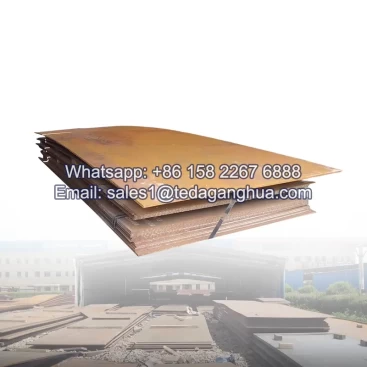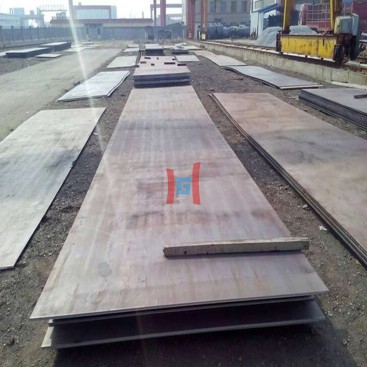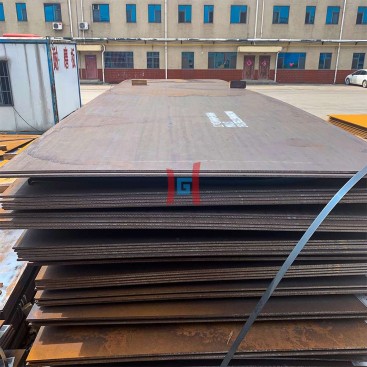

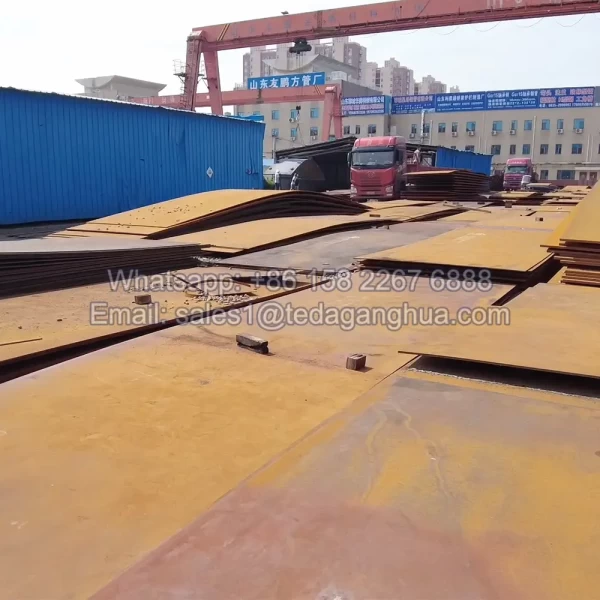
- Description
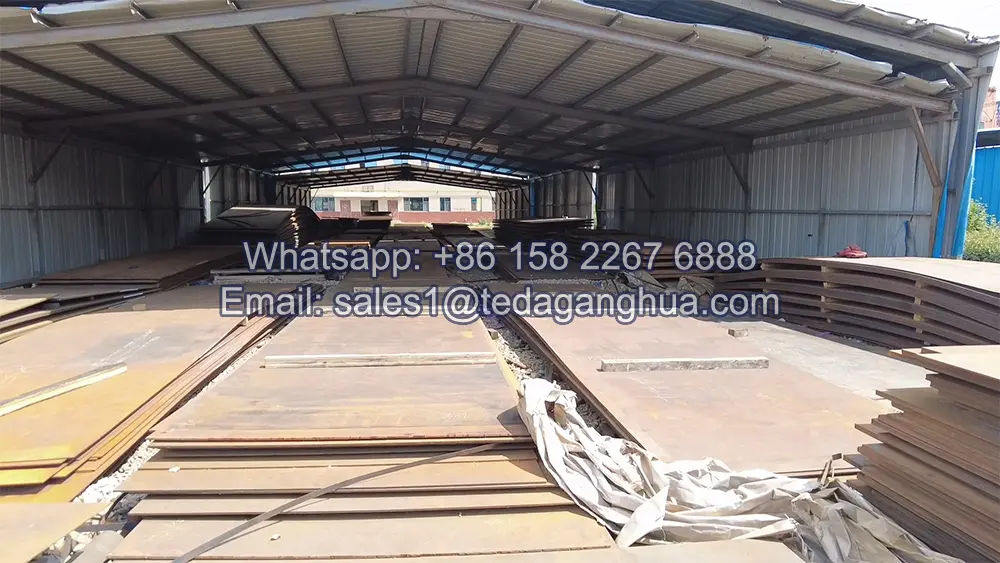
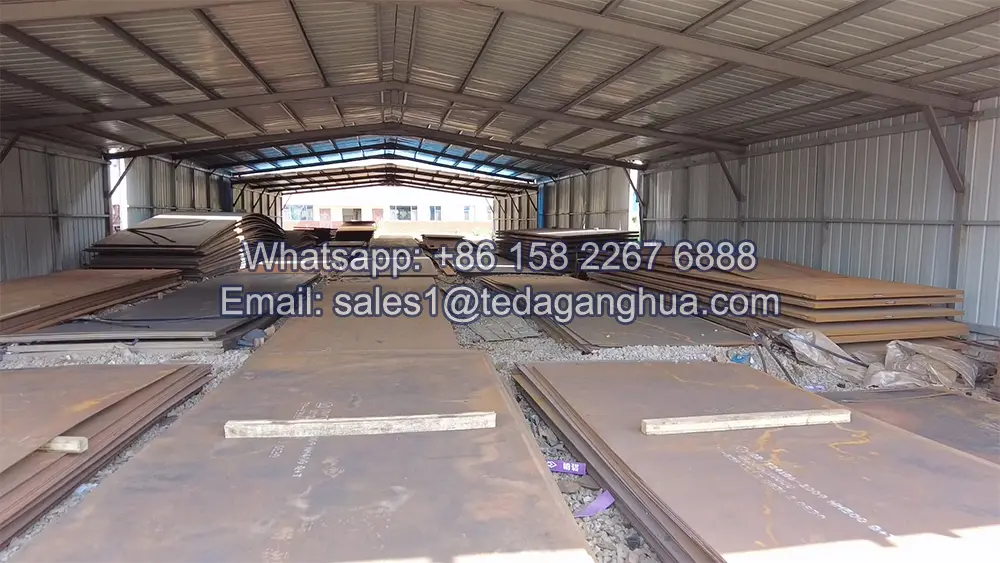
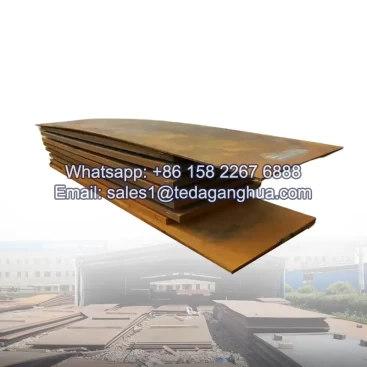
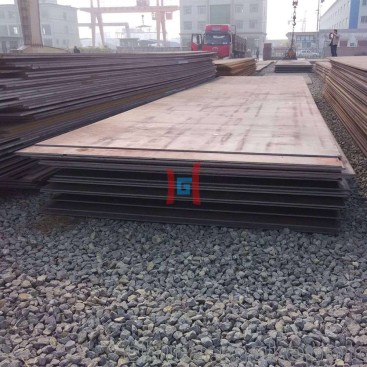
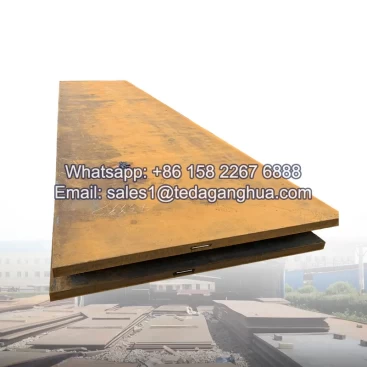
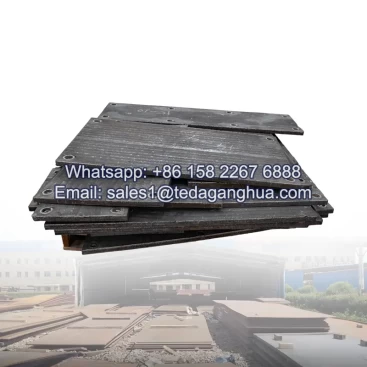
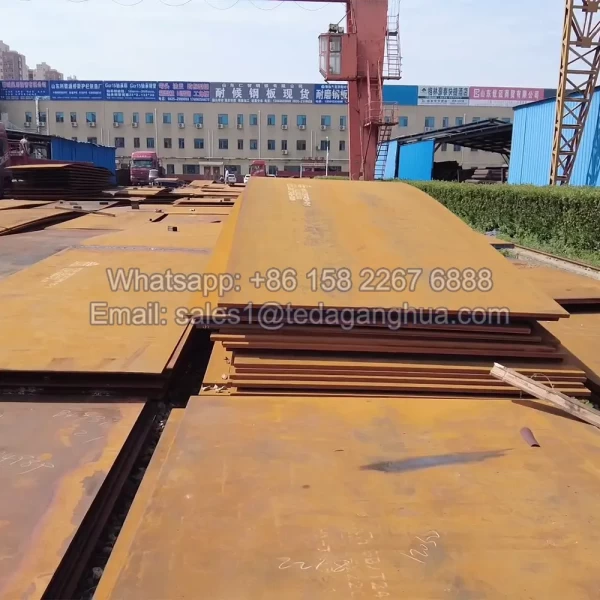
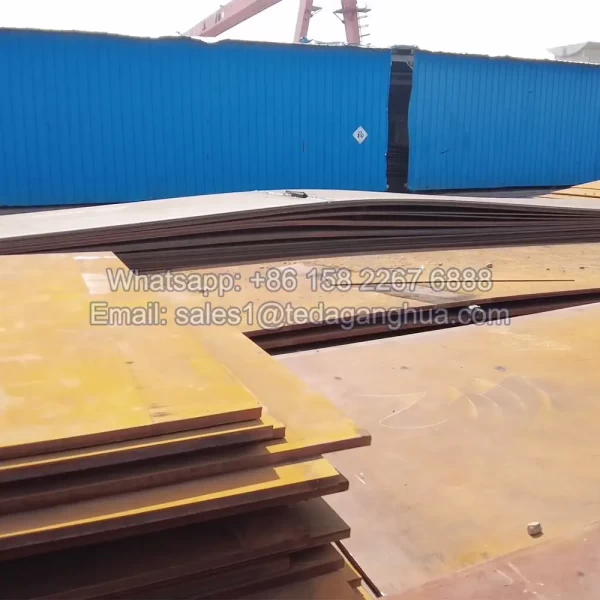
Abrasion resistant wear plates are specialized steel materials designed to withstand extreme wear, impact, and abrasive environments.
While widely used in heavy industry, they are also applied in many non-industrial settings due to their durability and protective properties.
1. Industrial Applications
| Industry | Typical Components | Why Abrasion-Resistant Plates Are Used |
|---|---|---|
| Mining & Quarrying | Buckets, chutes, hoppers, crusher liners | Protects equipment from rocks, ore, and abrasive minerals |
| Cement & Construction | Feed chutes, mixer blades, conveyor liners | Reduces wear from sand, gravel, and cement powders |
| Metallurgy & Steelmaking | Ladles, furnace components, hopper liners | Withstands slag, molten metal, and high-impact conditions |
| Energy & Power | Coal handling, ash chutes, boiler parts | Resists wear from coal, ash, and abrasive particles |
| Recycling & Waste Management | Shredders, crushers, conveyor liners | Handles abrasive scrap metal, plastics, and mixed waste |
| Heavy Equipment & Transport | Dump truck beds, excavator buckets, loader arms | Prevents wear from soil, rocks, and debris |
2. Non-Industrial Applications
| Application | Purpose |
|---|---|
| Architectural & Decorative | Flooring, stair treads, ramps |
| Public Infrastructure | Bridges, ramps, pedestrian walkways |
| Agriculture & Landscaping | Grain chutes, feed hoppers, soil handling equipment |
| Recreational Facilities | Skate parks, playground ramps |
3. Advantages of Abrasion-Resistant Plates Across Applications
-
Extended service life: Minimizes maintenance and replacement in high-wear environments.
-
Cost-effective: Reduces downtime and repair costs.
-
Versatile grades and thicknesses: NM, AR, Hardox, Mn, CrC overlays for different abrasion levels.
-
Customizable: Can be cut, welded, bent, or machined to meet specific design requirements