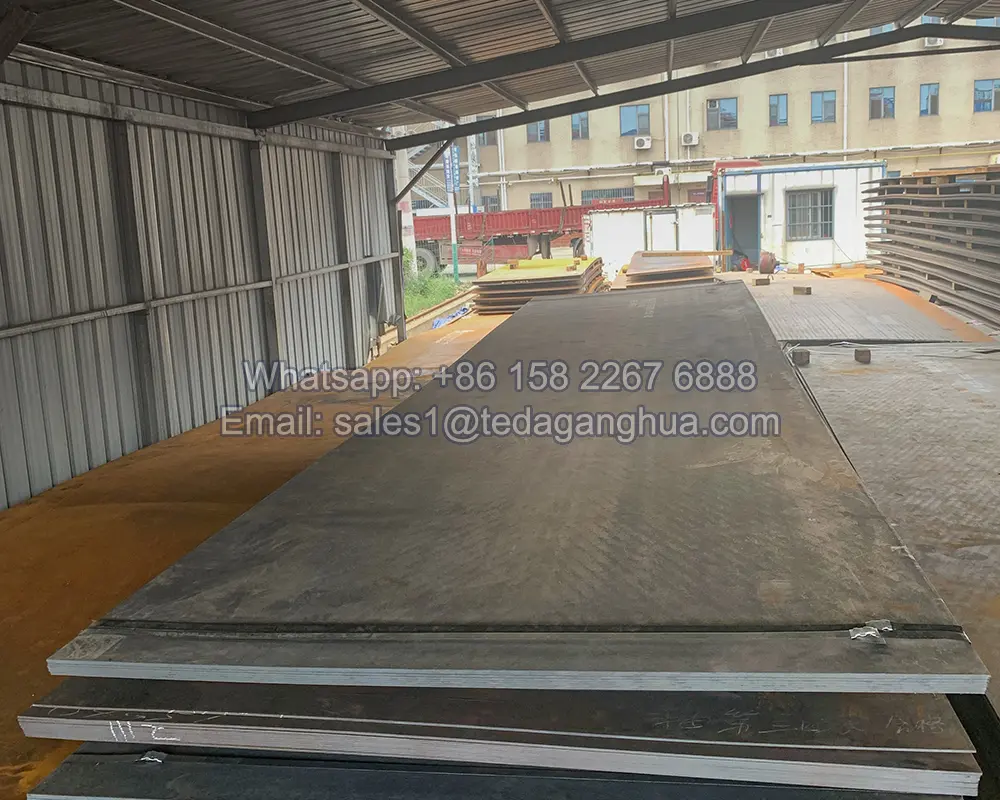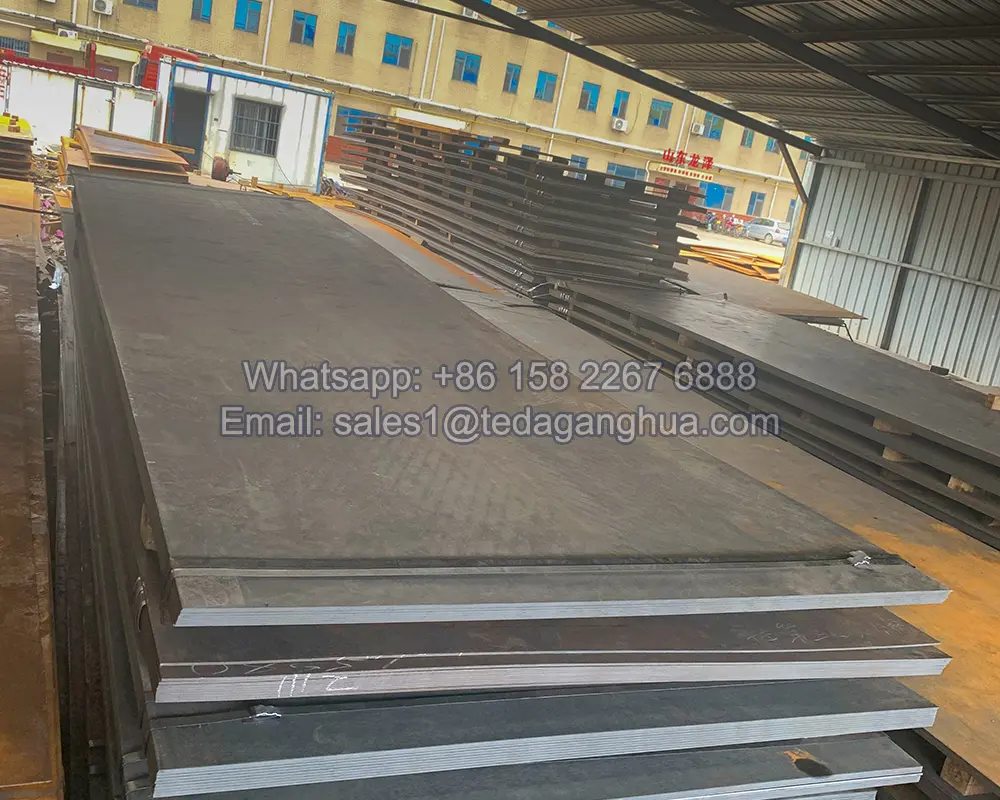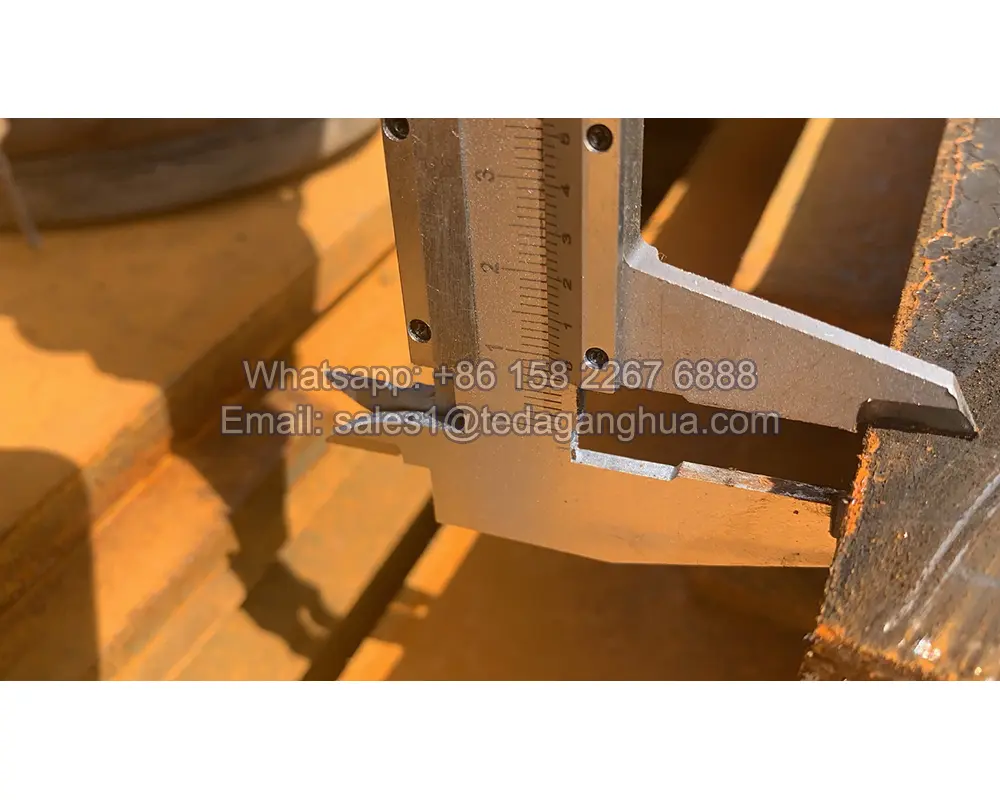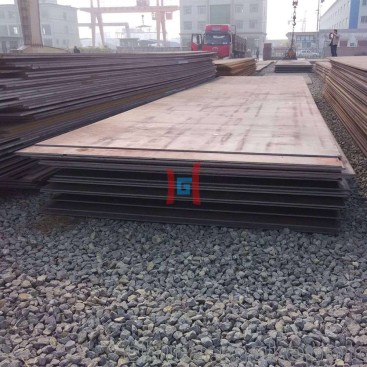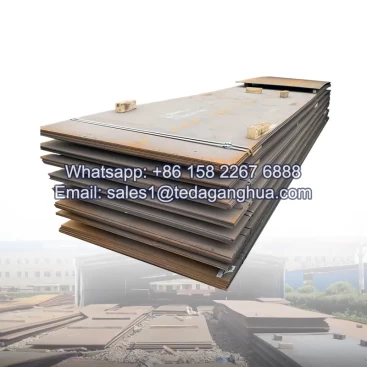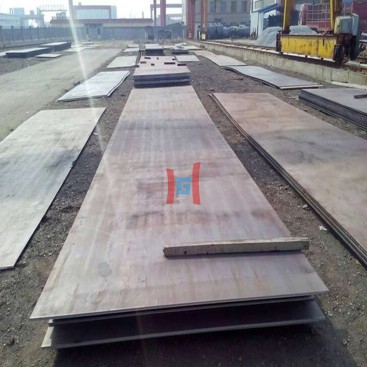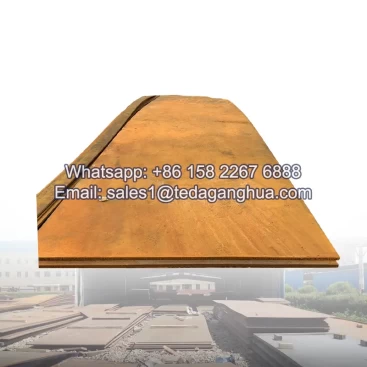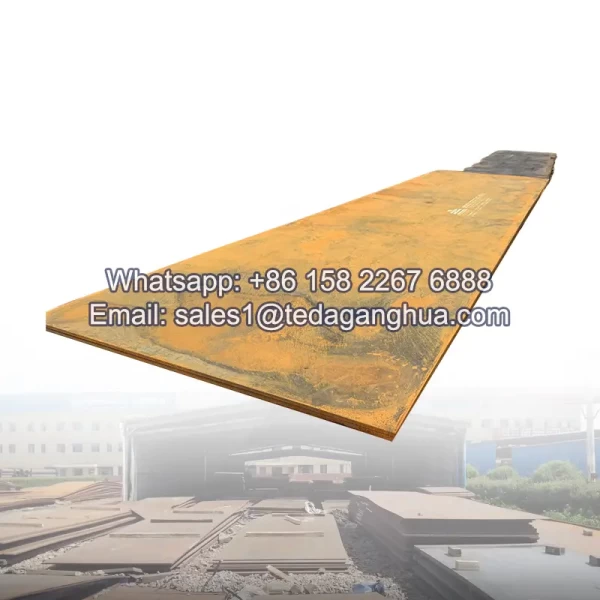
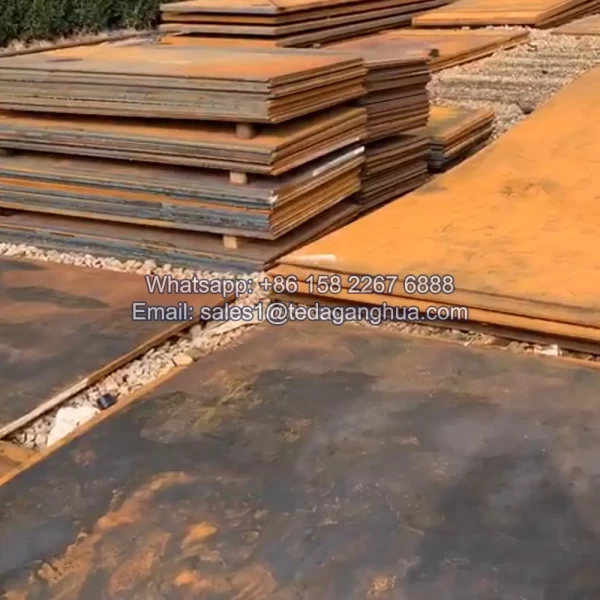
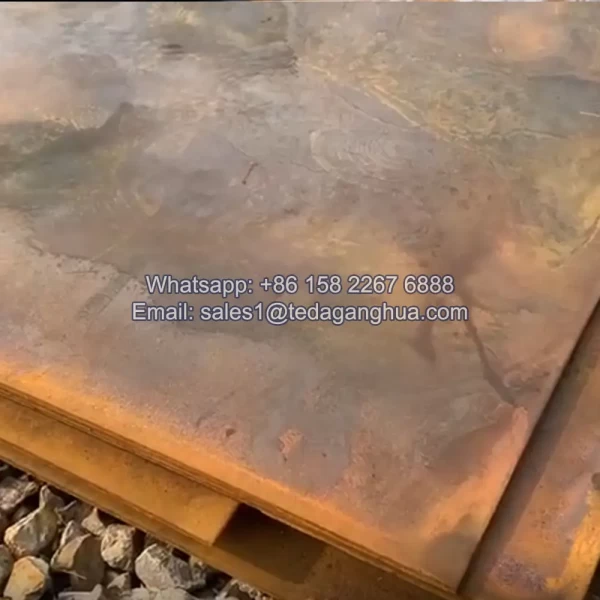
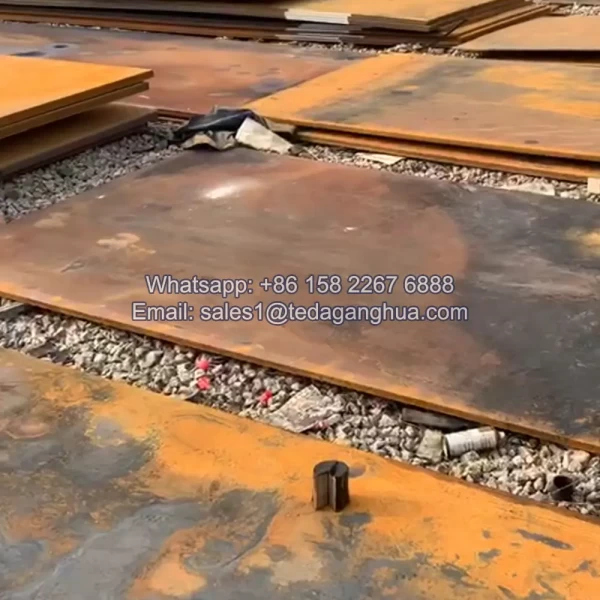
Abrasion Resistant Steel Plate
Abrasion Resistant Steel Plate is produced through advanced alloy design, precision rolling, and quenching-tempering treatment.
Its combination of hardness, strength, and toughness allows it to perform reliably under extreme wear conditions.
Proper fabrication — including controlled cutting, welding, and forming — ensures the steel retains its superior wear resistance throughout industrial applications.
- Description
Abrasion resistant (AR) steel plate is a high-strength, high-hardness alloy designed to perform in harsh industrial environments.
It is engineered to resist sliding wear, impact abrasion, and surface fatigue caused by materials such as rock, ore, coal, or concrete.
Producing AR steel requires strict control of chemical composition, heat treatment, and surface quality to achieve the ideal balance between hardness and toughness.
1. Manufacturing Process of Abrasion Resistant Steel Plate
The production of AR steel plate involves several controlled metallurgical steps:
1.1 Raw Material Selection
-
High-quality low-alloy steel is used as a base.
-
Alloying elements such as carbon (C), manganese (Mn), chromium (Cr), nickel (Ni), molybdenum (Mo), and boron (B) are added to increase hardness and wear resistance.
-
Precise control of carbon ensures a good balance between strength and weldability.
1.2 Melting and Refining
-
The steel is melted in an electric arc furnace (EAF) or basic oxygen furnace (BOF).
-
Secondary refining (LF or VD treatment) removes impurities like sulfur and phosphorus to improve toughness and cleanliness.
1.3 Continuous Casting and Rolling
-
Molten steel is cast into slabs and then hot rolled into plates of the desired thickness.
-
Controlled rolling at precise temperatures refines the grain structure and improves strength.
1.4 Heat Treatment (Quenching and Tempering)
-
Quenching: The plate is rapidly cooled from the austenitizing temperature (around 850–900°C) in water or polymer solution.
-
This forms a martensitic microstructure, achieving hardness levels of 360–600 HBW.
-
-
Tempering: The plate is reheated (200–300°C) to relieve internal stress and enhance toughness.
-
The result is a balance between high hardness and impact strength.
-
1.5 Flattening and Surface Finishing
-
Plates are leveled, shot-blasted, and pickled to remove scale and achieve a clean surface.
-
Final inspection ensures consistent hardness through the thickness.
2. Fabrication and Processing of AR Steel Plate
Because of its high hardness, abrasion resistant plate requires special techniques for cutting, bending, and welding.
2.1 Cutting
| Method | Description | Recommendation |
|---|---|---|
| Plasma Cutting | Most common; clean edge and high precision | Use slow speed and preheat for thicker plates |
| Laser Cutting | Ideal for thin plates (<20 mm) | Minimal heat distortion |
| Water Jet Cutting | Cold process, no thermal effect | Suitable for high-hardness grades |
| Flame Cutting | For thick plates (>40 mm) | Preheat to 150–200°C to avoid cracking |
2.2 Bending and Forming
-
Best performed on AR360–AR400 grades.
-
Plates should be preheated (100–150°C) before bending to reduce cracking risk.
-
Inside bend radius should be at least 3–5× plate thickness.
-
Higher hardness grades (AR500–AR600) are less suitable for forming and should be cut into shape instead.
2.3 Welding
| Aspect | Guideline |
|---|---|
| Preheating | 120–200°C (depends on thickness and hardness) |
| Filler Material | Low hydrogen welding wire or electrode |
| Interpass Temperature | Maintain <250°C |
| Post-Weld Heat Treatment | Usually not required; avoid over-tempering |
| Welding Type | GMAW, FCAW, or SMAW with low hydrogen control |
Proper preheat and controlled cooling prevent hydrogen-induced cracking and maintain the plate’s hardness near the weld zone.
2.4 Machining
-
Drilling or milling AR steel requires carbide-tipped tools and low cutting speed.
-
Use coolant and constant feed pressure to minimize heat buildup.
-
For very high hardness grades, EDM (electric discharge machining) may be used.
3. Industrial Applications
| Industry | Typical Components | Recommended Grades |
|---|---|---|
| Mining & Quarrying | Crusher liners, hoppers, dump truck beds | AR450 / AR500 |
| Construction Machinery | Buckets, bulldozer blades, chutes | AR400 / NM400 |
| Cement & Concrete | Mixers, conveyors, feeders | AR400 / AR450 |
| Steel & Power Plants | Coal chutes, fan blades, ash pipelines | AR500 / AR600 |
| Recycling Industry | Shredders, hammers, wear plates | AR500 / AR600 / Mn13 |
4. Advantages of Industrial Use
-
Longer Service Life: Up to 3–5× that of ordinary structural steel.
-
Reduced Maintenance: Lower replacement and downtime costs.
-
Structural Strength: High yield strength allows lighter designs.
-
Versatility: Can be welded, machined, or bolted into assemblies.