- Description
Clad Metal Plate: Why It Is Called a “Hardfaced (Overlay) Plate”
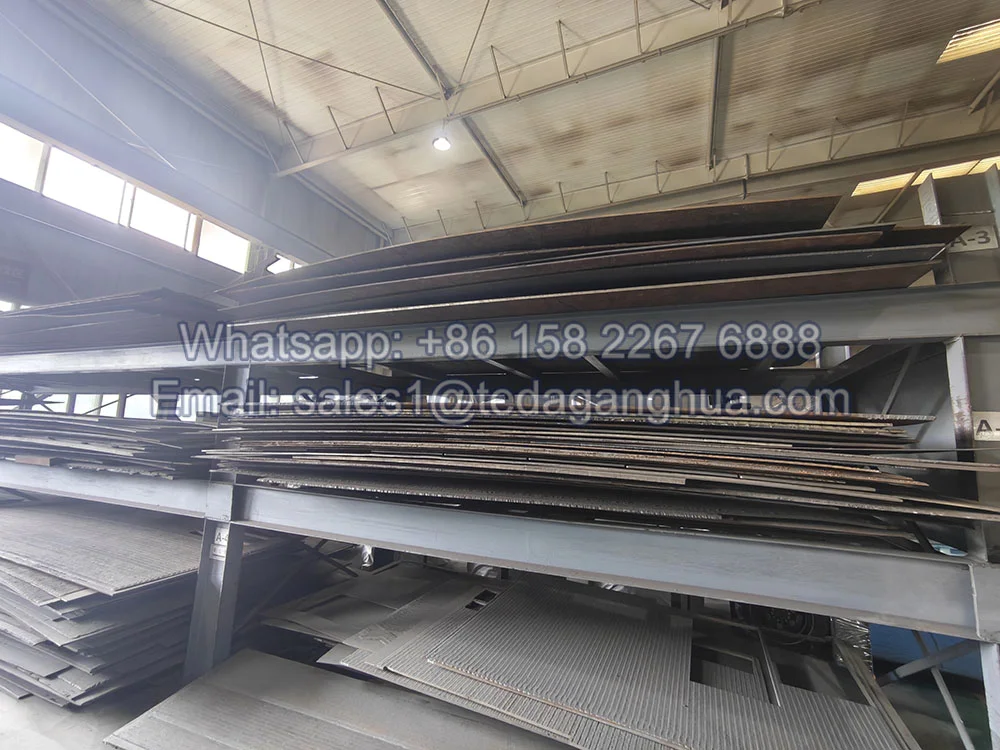
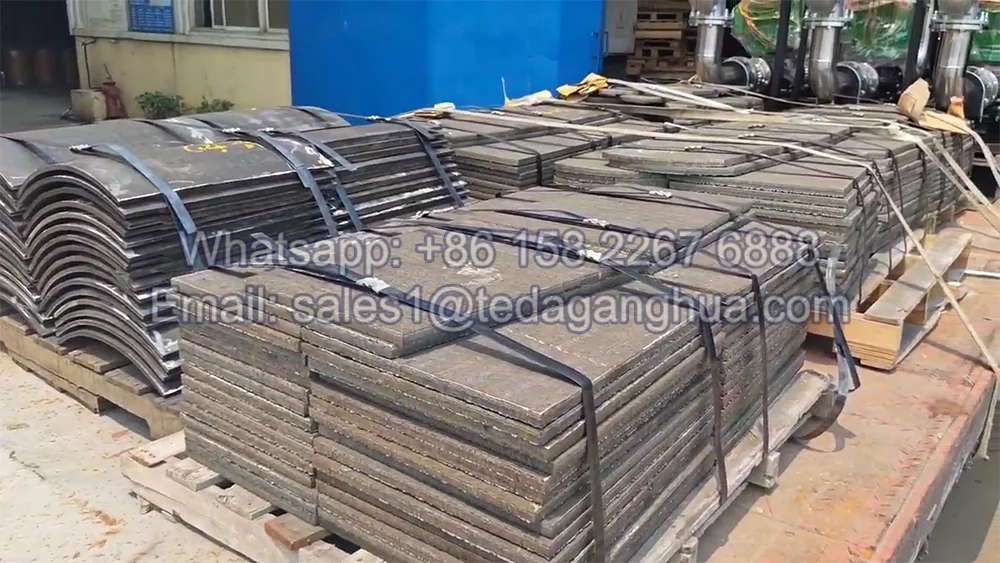
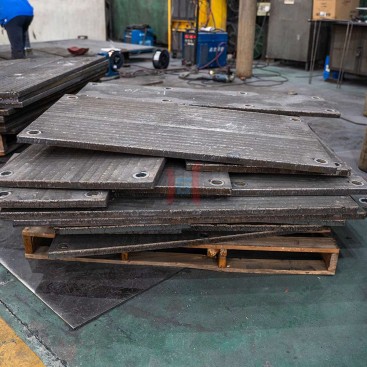
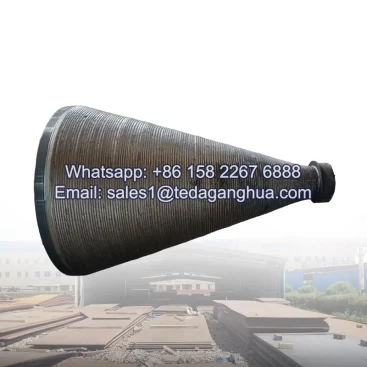
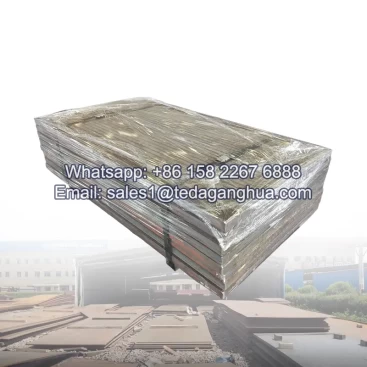
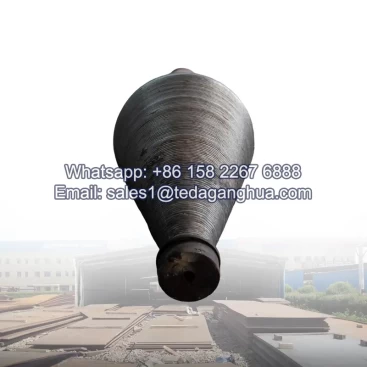
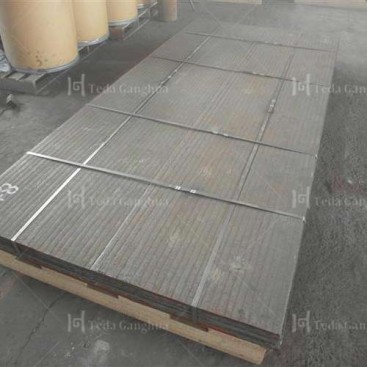
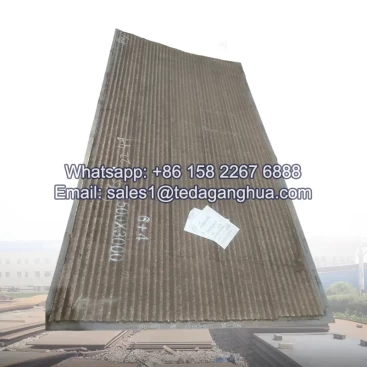
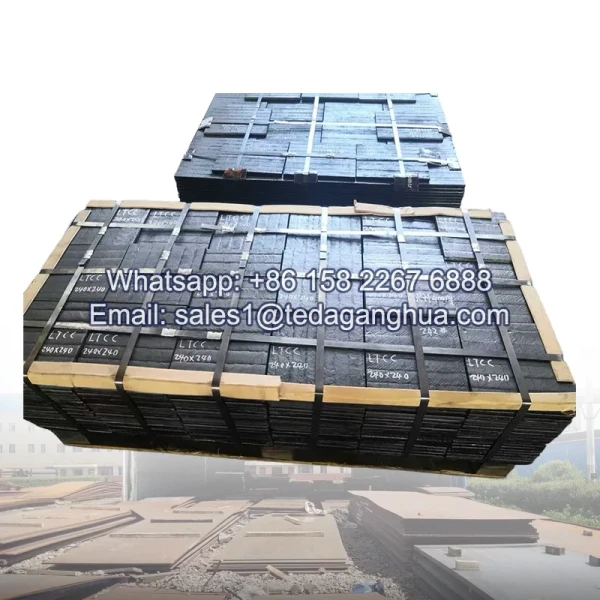
Clad metal plate, also commonly called a hardfaced plate or weld overlay wear plate, is a composite steel product made by depositing a wear-resistant alloy layer onto a base steel plate through welding technology.
The name “clad” or “hardfaced” comes directly from its manufacturing principle: the surface is not formed in one piece, but built up layer by layer using welding deposition.
1. Why It Is Called “Clad Metal Plate”
| Term | Meaning |
|---|---|
| Clad | A layered structure formed by bonding two different metals |
| Metal plate | A steel base used as structural support |
So “clad metal plate” literally means a layered metal plate composed of different materials.
2. Why It Is Also Called “Hardfaced Plate”
The term “hardfacing” comes from the welding process used to create the wear-resistant surface.
- A hard alloy layer is deposited onto a softer steel base
- The surface becomes extremely hard after welding
- This process is called “hardfacing” or “overlay welding”
Therefore, the product is often called hardfaced plate.
3. Why Not Just a Normal Steel Plate?
| Type | Structure | Function |
|---|---|---|
| Ordinary steel plate | Single homogeneous material | Structural strength only |
| Clad / hardfaced plate | Two-layer composite structure | Strength + extreme wear resistance |
The key difference is that clad metal plate is designed for wear protection, not only structural support.
4. How the “Cladding” Process Creates the Name
The term “clad” comes from the manufacturing method:
- Base steel plate provides toughness
- Weld overlay deposits carbide-rich alloy layer
- Multiple passes build a thick wear-resistant surface
- Layers are metallurgically bonded together
This “layer building” process is why it is called a clad or overlay plate.
5. Key Structural Feature Behind the Name
- Bimetal structure: two different metals combined
- Metallurgical bonding: not mechanical attachment
- Functional layering: each layer has a specific role
6. Why Industry Prefers the Term “Clad” or “Hardfaced”
- Clearly describes the welding overlay process
- Distinguishes it from rolled or cast wear plates
- Highlights its engineered surface property
7. Teda Ganghua Clad Metal Plate Supply Capability
As a professional wear-resistant steel supplier, Teda Ganghua provides high-quality clad metal plates with stable hardfacing technology, ensuring strong bonding, high hardness, and long service life for mining, cement, steel, and power industries.
We also support customized cutting, fabrication, and wear system engineering based on application requirements.
Explore our wear-resistant steel products here:
Chromium Carbide Overlay Plate
Conclusion
Clad metal plate is called a “hardfaced plate” because its wear-resistant surface is created by welding deposition (hardfacing) rather than being formed as a single material. The layered, welded structure is the core reason behind both names.