
- Description
Bimetallic Wear Plate: Is It the Same as a Weld Overlay (Hardfaced) Plate?
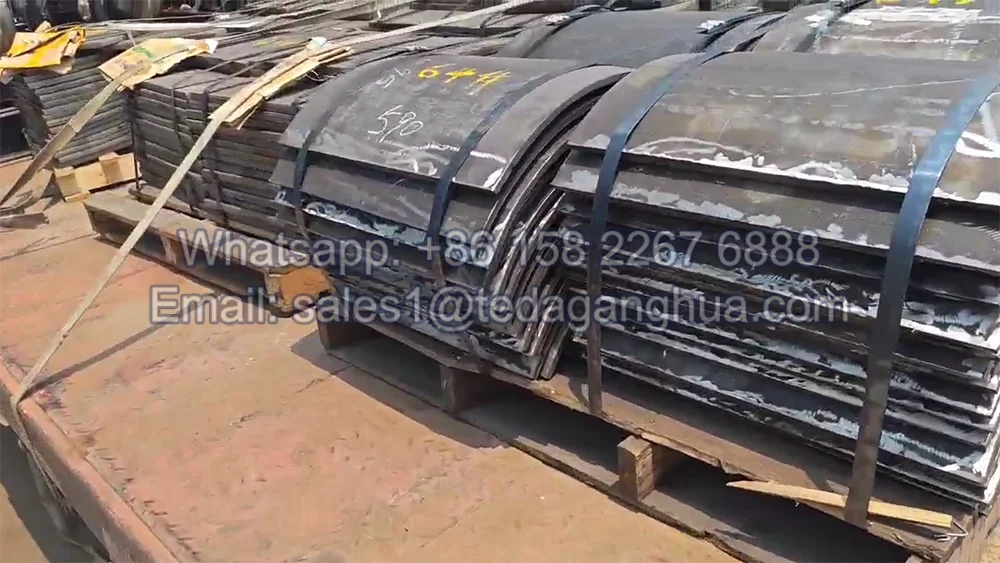
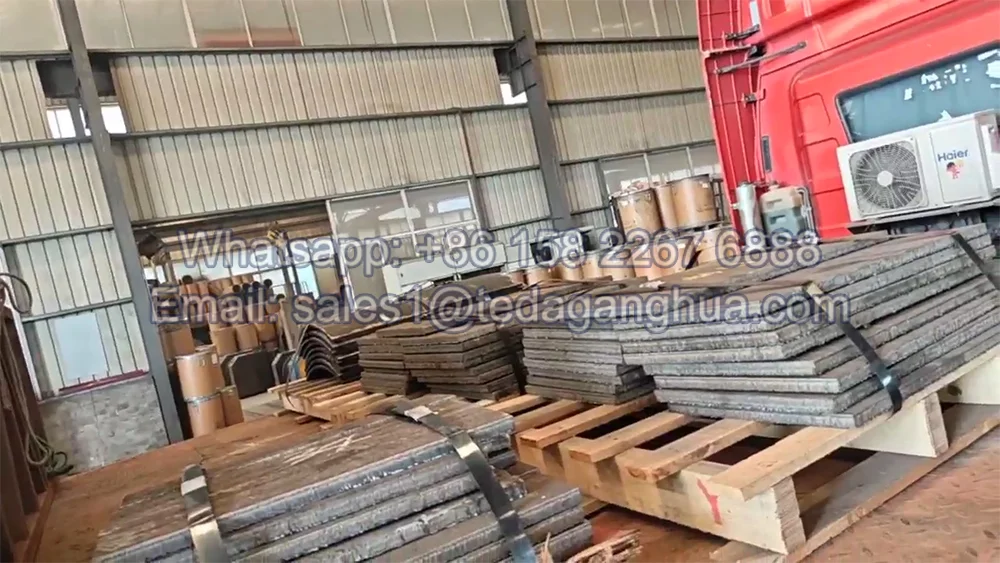
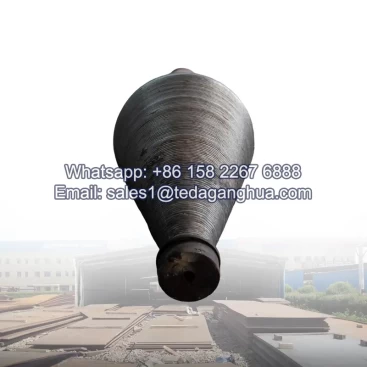
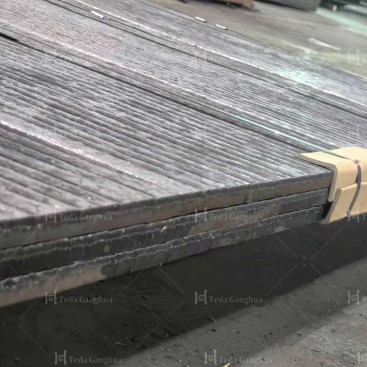
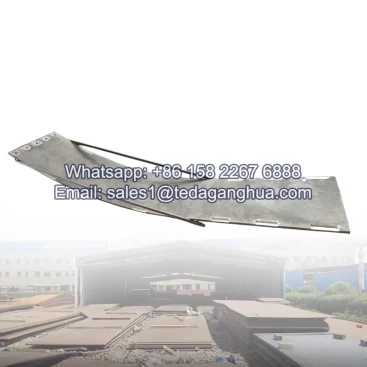
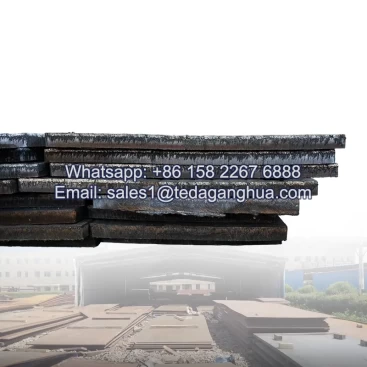
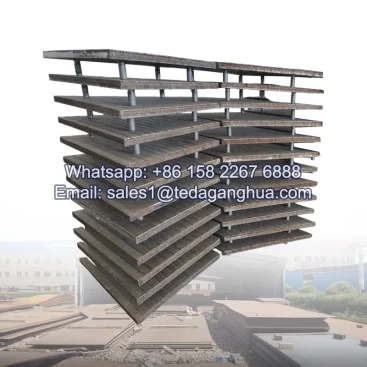
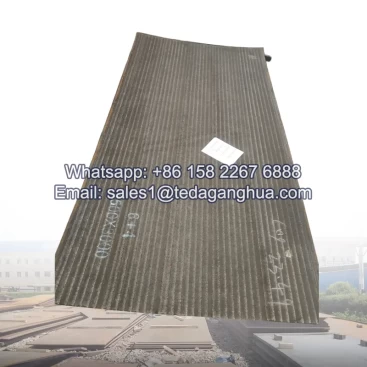
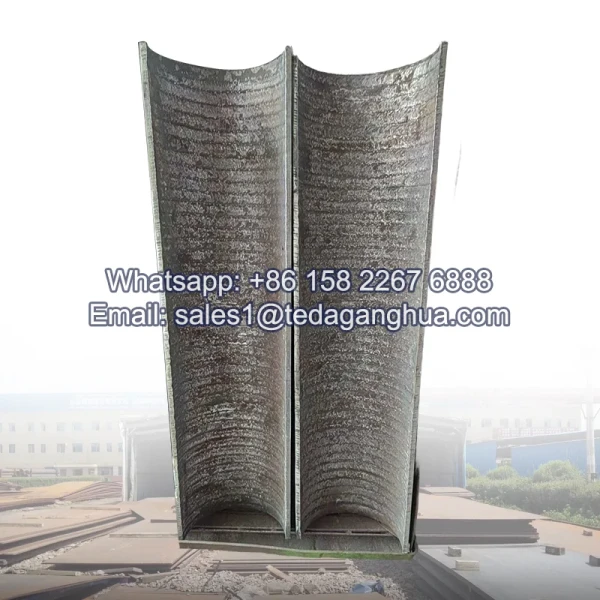
Bimetallic wear plate is a composite wear-resistant steel plate made by combining two different metals into one structure. It typically consists of a carbon steel or low-alloy steel base plate and a high-hardness wear-resistant surface layer.
In industrial practice, bimetallic wear plate is often closely related to weld overlay (hardfaced) plate, but they are not always exactly the same in manufacturing methods.
1. What Is a Bimetallic Wear Plate?
| Structure | Description |
|---|---|
| Wear-resistant surface layer | High hardness alloy (e.g., chromium carbide) |
| Base steel layer | Tough structural steel for strength support |
The key idea is combining hardness + toughness in one material.
2. What Is a Weld Overlay (Hardfaced) Plate?
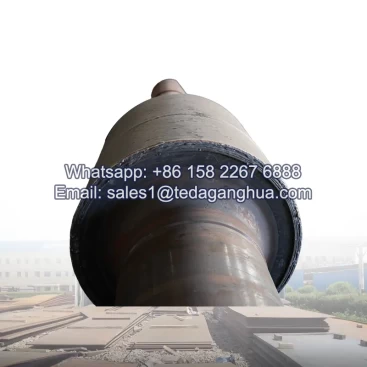
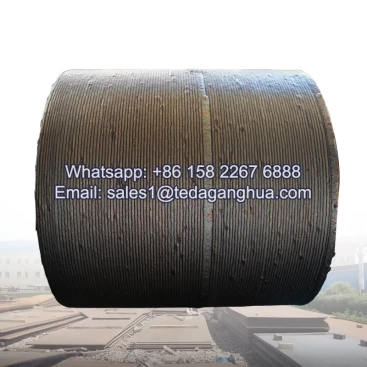
A weld overlay plate is a type of bimetallic wear plate produced specifically by welding deposition (hardfacing process).
- Wear-resistant layer is deposited by welding
- Strong metallurgical bonding is formed
- Most common industrial production method
3. Are They the Same?
| Aspect | Bimetallic Wear Plate | Weld Overlay (Hardfaced) Plate |
|---|---|---|
| Definition | General term for two-metal structure | Specific type using welding overlay process |
| Manufacturing method | May include welding, rolling, or bonding | Always welding-based overlay |
| Industrial usage | Broad concept | Most widely used form |
So, all weld overlay plates are bimetallic wear plates, but not all bimetallic wear plates are weld overlay plates.
4. Why Weld Overlay Plates Are the Most Common Type
- Strong metallurgical bonding between layers
- High and stable surface hardness (HRC 58–65)
- Flexible alloy design (Cr, Nb, Mo, WC systems)
- Cost-effective for large industrial applications
5. Performance Advantages of Bimetallic Structure
| Layer | Function |
|---|---|
| Hard surface layer | Resists abrasion and erosion |
| Ductile base layer | Absorbs impact and supports load |
This combination provides both wear resistance and structural toughness.
6. Application Fields
| Industry | Typical Equipment |
|---|---|
| Mining | Chutes, crushers, liners |
| Cement | Hoppers, ducts, cyclones |
| Steel plants | Sinter systems, conveyors |
| Power plants | Coal and ash handling systems |
7. Teda Ganghua Bimetallic Wear Plate Supply Capability
As a professional wear-resistant steel supplier, Teda Ganghua provides high-quality bimetallic and weld overlay wear plates with optimized chromium carbide systems, ensuring stable hardness and long service life in heavy industrial applications.
We also support customized cutting, fabrication, and engineering design for mining, cement, steel, and power industries.
Explore our wear-resistant steel products here:
Chromium Carbide Overlay Plate
Conclusion
Bimetallic wear plate is a general term for two-layer composite steel, while weld overlay (hardfaced) plate is a specific type made by welding deposition. In practice, they are closely related, and weld overlay plates are the most widely used form of bimetallic wear-resistant materials.