Corten Steel Garden Panels
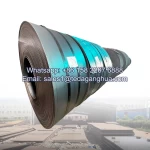
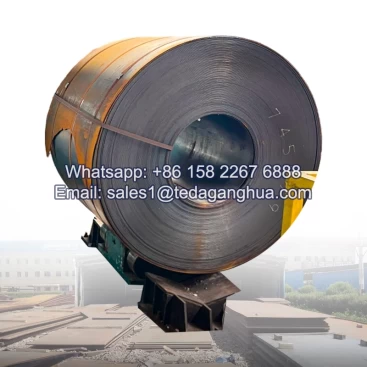
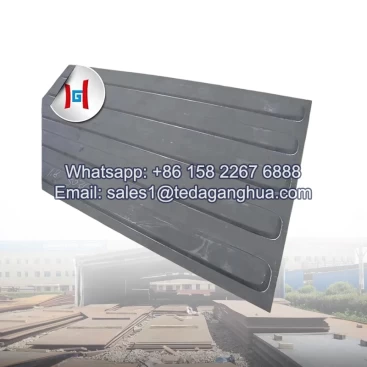
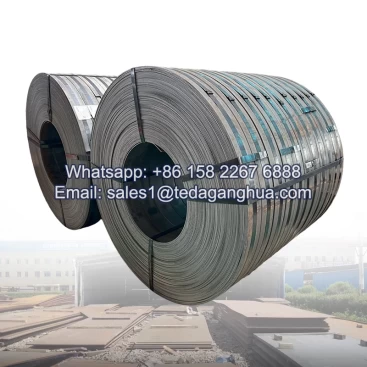
Corten steel garden panels are widely used in landscaping because they offer a combination of natural rust aesthetics, weather resistance, and structural strength. The protective patina surface eliminates the need for painting, while the steel itself can be easily processed into custom decorative products such as screens, planters, edging, and partitions. These features make corten steel an ideal raw material for modern garden and outdoor architectural applications.
- Description
Corten steel garden panels are widely used in modern landscaping as decorative and functional materials for gardens, courtyards, and outdoor architectural spaces. These panels are made from weathering steel, a low-alloy steel that forms a stable rust layer on the surface. Because of its natural appearance and strong outdoor durability, corten steel has become one of the most popular materials for garden edging, privacy screens, planters, retaining walls, and decorative partitions.
Why Corten Steel Is Used for Garden Panels
The main reason corten steel is used in garden landscaping is that it combines natural aesthetics with long-term outdoor performance. Unlike painted steel, corten develops its own protective rust coating, which creates a warm earthy color that blends well with plants, stone, wood, and outdoor architecture.
Common garden applications include:
- Privacy screen panels
- Decorative garden dividers
- Raised garden beds
- Planter boxes
- Lawn edging
- Retaining walls
- Outdoor sculptures
- Water feature surrounds
The rusted surface gives a natural aged look, making it especially popular in contemporary and minimalist landscape design.
Main Features of Corten Steel Garden Panels
1. Natural Rust Appearance
The most recognizable feature of corten steel is its rust-colored patina. After exposure to sun, rain, and air, the surface gradually changes from dark gray to orange-brown.
This weathered finish creates:
- A natural decorative effect
- No need for painting
- A unique industrial design style
- Better integration with outdoor environments
Each panel develops slightly different color variations, which adds visual depth in garden design.
2. Excellent Weather Resistance
Corten steel contains alloying elements such as copper, chromium, and nickel. These elements create a dense protective oxide film on the surface.
Compared with ordinary carbon steel:
| Property | Corten Steel | Ordinary Carbon Steel |
|---|---|---|
| Surface rust | Protective | Destructive |
| Outdoor durability | High | Low |
| Maintenance | Low | High |
| Paint requirement | No | Usually required |
This means corten steel garden panels can be installed outdoors for many years without surface coating.
3. High Structural Strength
Corten steel is stronger than many decorative metals used in landscaping. It maintains good mechanical strength even in thin sheet form.
| Property | Typical Value |
|---|---|
| Yield Strength | ≥ 345 MPa |
| Tensile Strength | 485–630 MPa |
| Hardness | 130–190 HB |
Because of this strength, corten panels can be used not only for decoration but also for structural landscape elements such as retaining walls and freestanding screens.
4. Low Maintenance in Outdoor Use
Garden materials are often exposed to:
- Rain
- Irrigation water
- Soil moisture
- UV sunlight
- Seasonal temperature changes
Corten steel performs well under these conditions because the rust layer protects the steel underneath. It does not require frequent repainting, which reduces long-term maintenance.
This is a major reason it is selected for public parks and residential landscaping.
5. Easy Fabrication for Landscape Design
Corten steel sheets can be processed into many custom garden products.
Common fabrication methods:
- Laser cutting
- Bending
- Welding
- Perforation
- Surface pre-rusting
This allows custom production of:
- Floral pattern panels
- Tree pattern screens
- Decorative fencing
- Garden signs
- Artistic outdoor partitions
The material is easy to shape while maintaining excellent outdoor performance.
Common Thickness for Garden Panels
Corten steel garden panels are usually made from thin to medium thickness sheets.
| Thickness | Typical Application |
|---|---|
| 1.5 mm | Decorative panels |
| 2.0 mm | Garden screens |
| 3.0 mm | Privacy partitions |
| 4.0 mm | Raised beds |
| 5.0 mm | Retaining walls |
The most common thickness for garden use is 2 mm to 3 mm, as it offers both stability and easy fabrication.