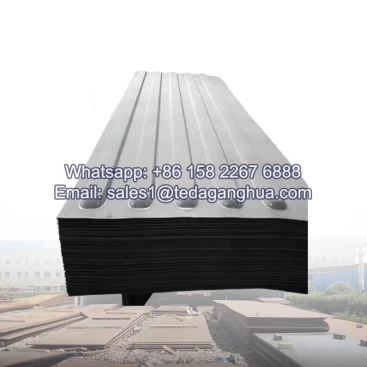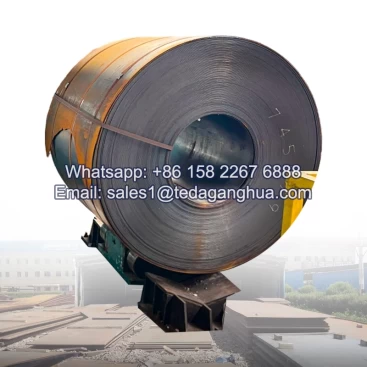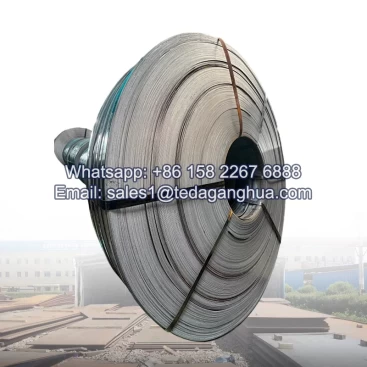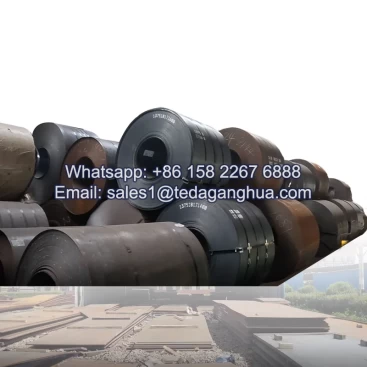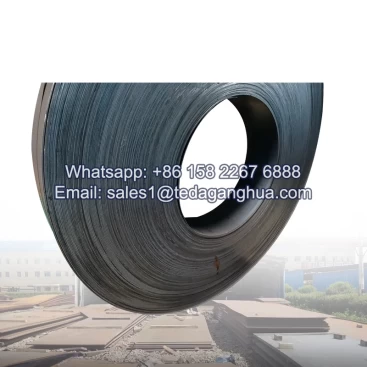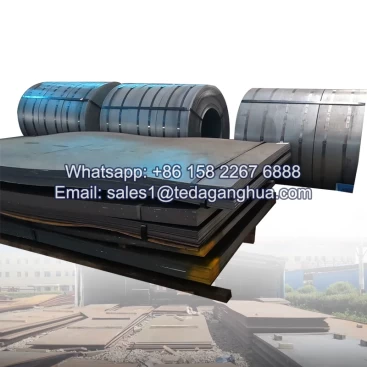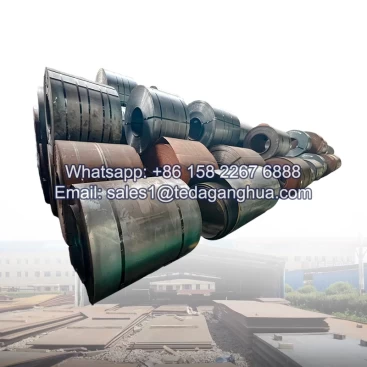

Corten Steel Sheet Metal
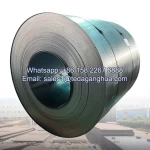
When selecting Corten steel sheet metal, the choice between Corten A and Corten B depends on the application:
-
Choose Corten A for architectural, decorative, and landscaping uses where corrosion resistance and appearance are key
-
Choose Corten B for structural and heavy-duty applications requiring higher strength
Both grades provide the signature rusted patina and long-term durability, but their optimized properties make them suitable for different use scenarios.
- Description
Corten steel sheet metal is commonly divided into two main grades: Corten A and Corten B. Both are weathering steels designed to form a protective rust layer, but they differ in composition, mechanical properties, and typical applications.
1. Chemical Composition Comparison
The main difference lies in alloying elements, especially phosphorus (P) and strength-related elements.
| Element | Corten A (%) | Corten B (%) |
|---|---|---|
| Carbon (C) | ≤ 0.12 | ≤ 0.19 |
| Silicon (Si) | 0.25 – 0.75 | 0.30 – 0.65 |
| Manganese (Mn) | 0.20 – 1.00 | 0.80 – 1.25 |
| Phosphorus (P) | 0.07 – 0.15 | ≤ 0.04 |
| Sulfur (S) | ≤ 0.03 | ≤ 0.03 |
| Copper (Cu) | 0.25 – 0.55 | 0.25 – 0.55 |
| Chromium (Cr) | 0.50 – 1.25 | 0.40 – 0.65 |
| Nickel (Ni) | ≤ 0.65 | ≤ 0.40 |
Key Insight
-
Corten A has higher phosphorus, improving atmospheric corrosion resistance
-
Corten B has lower phosphorus but higher strength-related elements
2. Mechanical Properties
| Property | Corten A | Corten B |
|---|---|---|
| Yield strength | ≥ 345 MPa | ≥ 355 MPa |
| Tensile strength | 480 – 630 MPa | 490 – 630 MPa |
| Impact resistance | Limited specification | Better structural performance |
3. Corrosion Resistance
-
Corten A:
-
Better atmospheric corrosion resistance
-
Ideal for decorative and architectural applications
-
-
Corten B:
-
Slightly lower corrosion resistance than A
-
Still excellent, but optimized for structural durability
-
4. Application Differences
Corten A (Weathering / Architectural Grade)
-
Facades and cladding
-
Garden planters and landscaping
-
Decorative panels and screens
-
Lightweight structures
Corten B (Structural Grade)
-
Bridges and heavy structures
-
Containers and industrial equipment
-
Railway wagons
-
Load-bearing outdoor structures
5. Key Differences Summary
-
Corrosion Resistance: Corten A > Corten B
-
Strength: Corten B > Corten A
-
Phosphorus Content: Higher in Corten A
-
Application Focus:
-
A → aesthetics and weather resistance
-
B → strength and structural use
-