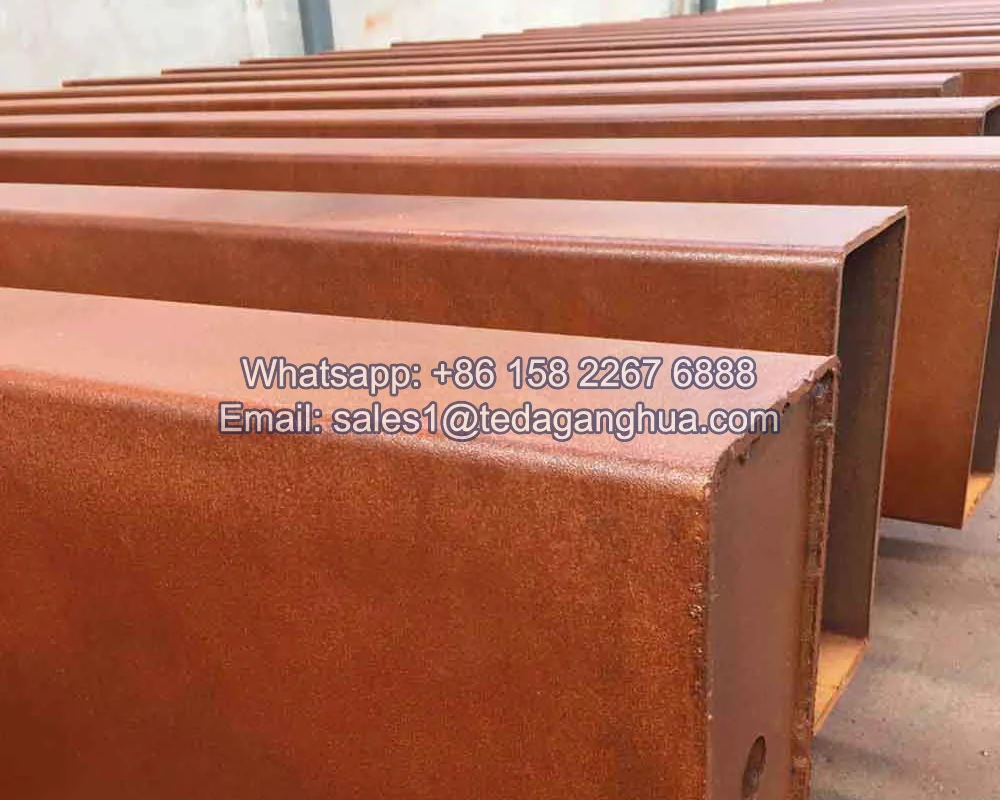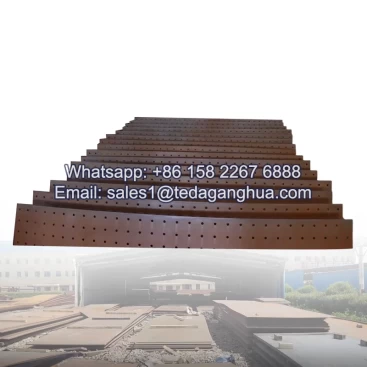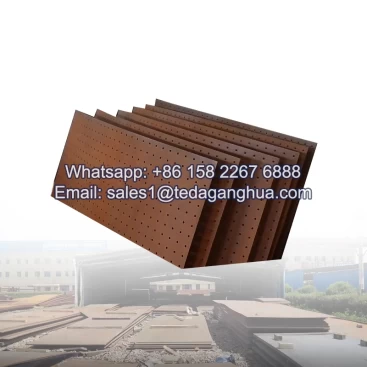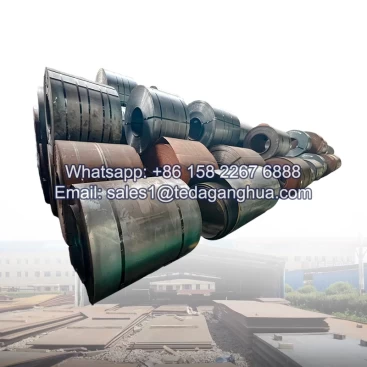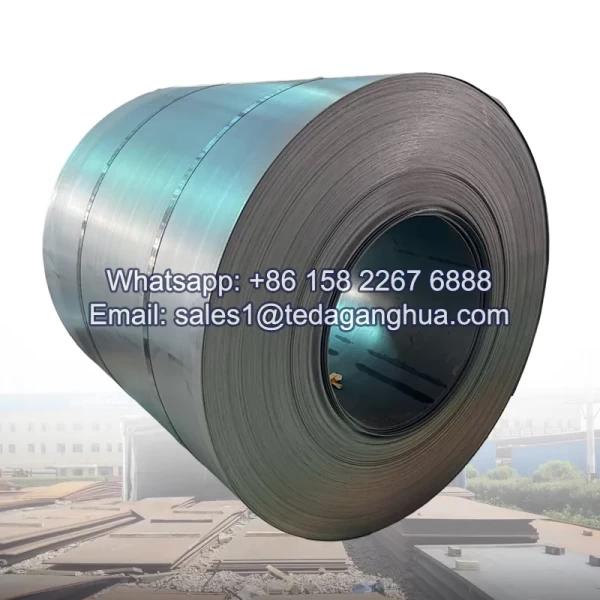
Rusted Corten Steel
Accelerated rusting of Corten steel relies on chemical agents that enhance electrochemical oxidation, allowing the steel to quickly form its signature rust layer. By simulating natural environmental conditions in a controlled way, these treatments produce a uniform, stable, and visually appealing patina in a much shorter time.
- Description
Rusted Corten steel can be artificially aged using rust-accelerating solutions, allowing the material to quickly develop its characteristic orange-red patina without waiting for natural weathering.
Why Accelerated Rusting Is Used
Natural weathering of Corten steel may take several months to over a year depending on climate conditions. Accelerating agents are used to:
-
Achieve a uniform rust appearance in a short time
-
Control the color and texture of the patina
-
Reduce inconsistencies caused by environmental factors
Common Types of Rusting Agents
Accelerating solutions typically contain:
-
Acids (mild acidic solutions)
-
Salts (such as chlorides)
-
Oxidizing compounds
These components simulate harsh environmental conditions that speed up oxidation.
Working Principle
1. Surface Activation
-
The solution removes oil, mill scale, and impurities
-
Exposes fresh metal surface for reaction
2. Electrochemical Reaction
-
The presence of water and electrolytes (salts) enhances conductivity
-
Iron (Fe) loses electrons more easily, accelerating oxidation
3. Rapid Oxidation
-
Oxygen (O₂) reacts with iron:
-
Fe → Fe²⁺ → Fe³⁺
-
-
Forms iron oxides (rust) much faster than natural exposure
4. Patina Development
-
Alloying elements (Cu, Cr, Ni) in Corten steel:
-
Help form a denser, more stable rust layer
-
Gradually transform bright orange rust into deep reddish-brown
-
Controlled Rusting Process
Typical steps in accelerated rusting:
-
Surface cleaning (degreasing and removing scale)
-
Application of rusting solution (spraying or brushing)
-
Moisture exposure (to sustain the reaction)
-
Drying cycles (to build layered patina)
-
Optional sealing after desired color is reached
Key Factors Affecting the Result
-
Concentration of solution → affects speed and intensity
-
Humidity and temperature → higher levels accelerate rusting
-
Application frequency → multiple cycles create deeper color
-
Surface preparation quality → determines uniformity
Important Considerations
-
Overuse of strong chemicals may lead to uneven or powdery rust layers
-
Proper rinsing or neutralization may be required after treatment
-
Final patina should be allowed to stabilize naturally for durability