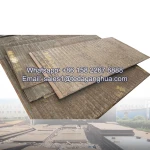
- Description
Hardfaced Plate: Types of Hardfacing Layers Used in Wear-Resistant Steel Plates
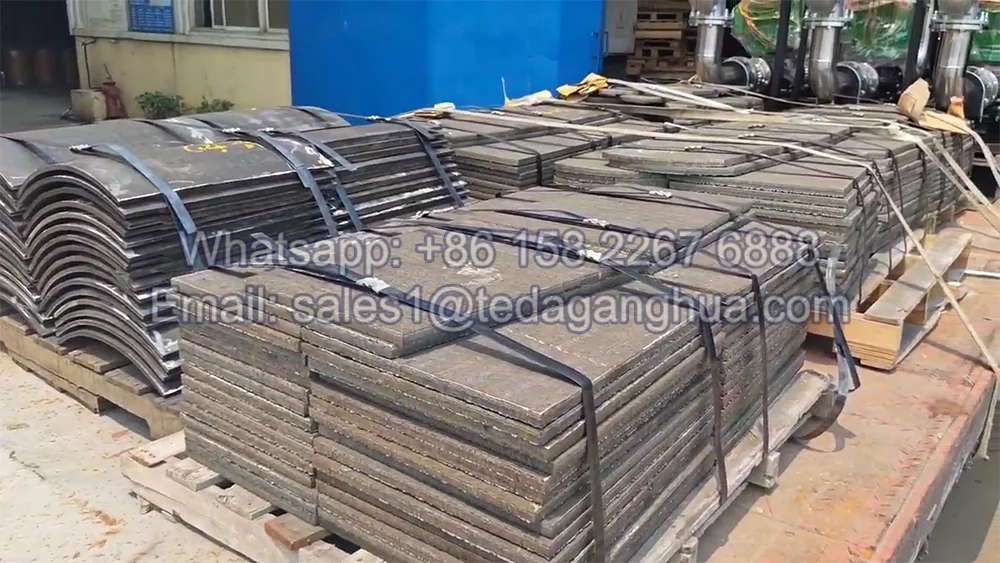
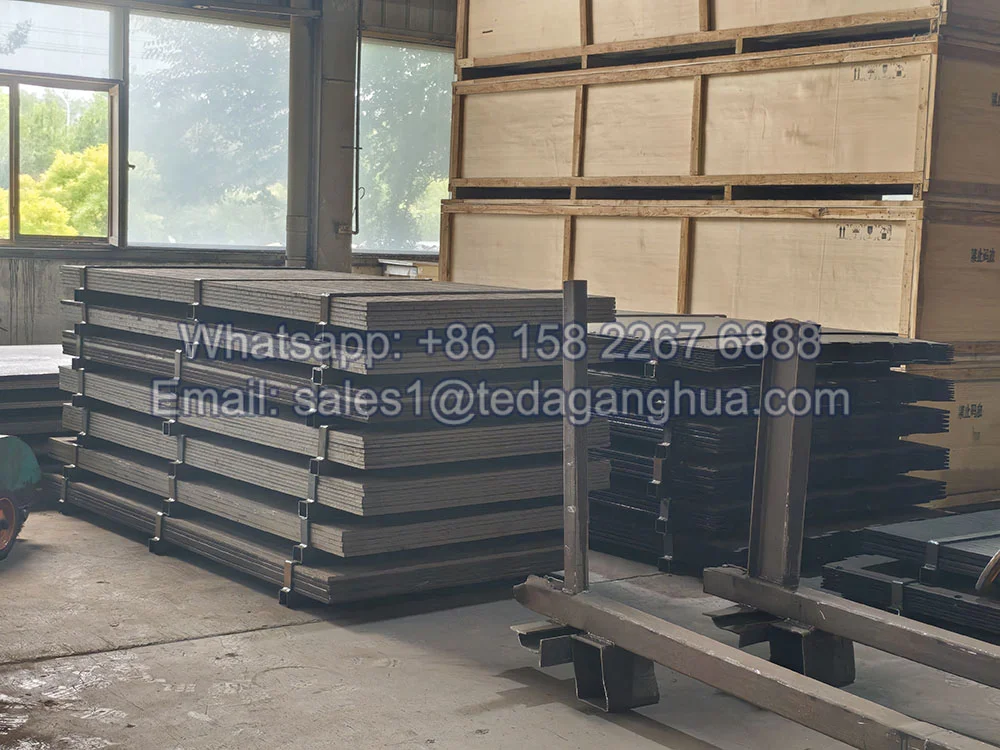
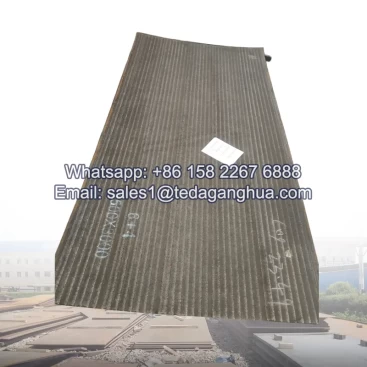
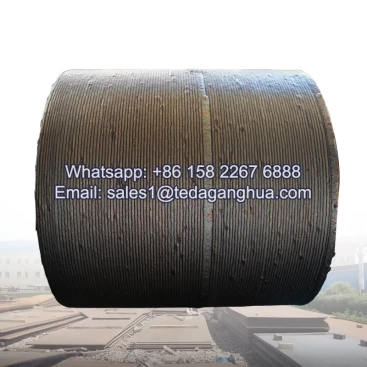
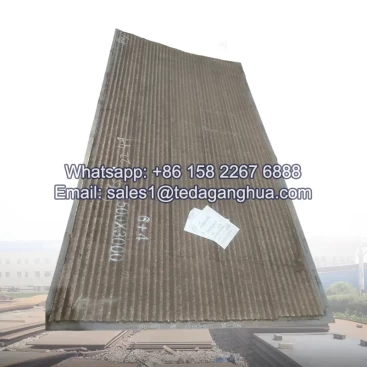
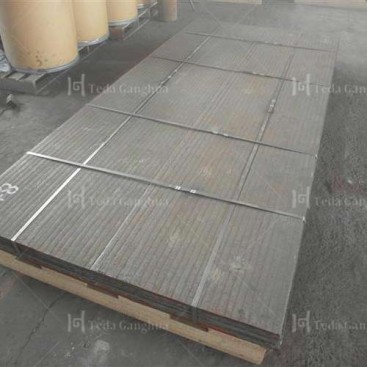
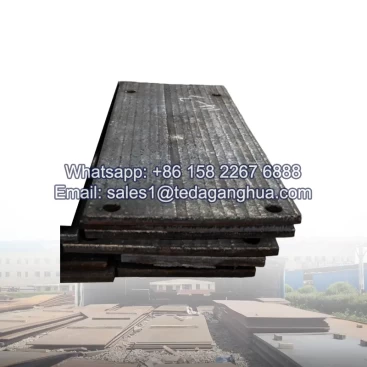
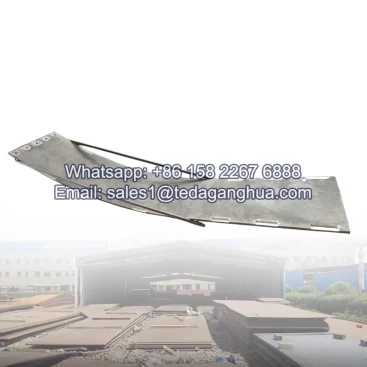
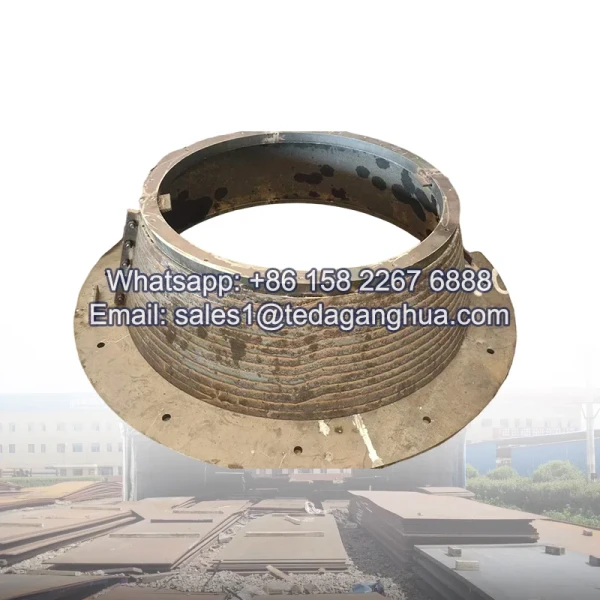
Hardfaced plate is a composite wear-resistant steel product manufactured by depositing a hard alloy layer onto a carbon steel or low-alloy steel base plate. The performance of the plate is mainly determined by the type of hardfacing layer, which controls hardness, wear resistance, impact resistance, and service life.
Different welding overlay systems are selected based on working conditions such as abrasion, impact, temperature, and corrosion.
1. Main Types of Hardfacing Layers
| Hardfacing Type | Main Composition | Key Features |
|---|---|---|
| Chromium carbide overlay | Fe + C + Cr (high chromium carbides) | Excellent abrasion resistance, most common type |
| Complex carbide overlay | Cr + Nb + Mo + C | Higher toughness and improved wear resistance balance |
| Tungsten carbide overlay | WC + Ni/Fe matrix | Extremely high hardness, best for severe abrasion |
| Nickel-based overlay | Ni + Cr + B + Si | Excellent corrosion and high-temperature resistance |
| Manganese-based overlay | High Mn + C alloy | Work hardening under impact conditions |
2. Performance Comparison of Different Overlay Layers
| Type | Wear Resistance | Impact Resistance | Main Application |
|---|---|---|---|
| Chromium carbide | Very high | Medium | Mining, cement, coal handling |
| Complex carbide | High | High | Mixed wear conditions |
| Tungsten carbide | Extremely high | Low to medium | Severe sliding abrasion |
| Nickel-based | Medium | High | High temperature & corrosion |
| Manganese-based | Medium | Very high | Impact-dominated wear |
3. Why Different Hardfacing Layers Are Needed
- Different wear mechanisms: abrasion, impact, erosion, corrosion
- Different working environments: dry, wet, high temperature, corrosive
- Different service life requirements: short-term vs long-term protection
There is no single hardfacing layer that fits all conditions; selection must match the actual application.
4. Layer Structure of Hardfaced Plate
| Layer | Function |
|---|---|
| Hardfacing layer | Provides wear resistance |
| Transition layer (if applicable) | Improves bonding strength |
| Base steel plate | Provides structural support |
5. Selection Guidelines for Hardfacing Layers
| Condition | Recommended Layer Type |
|---|---|
| High abrasion (coal, cement, ore) | Chromium carbide overlay |
| Mixed impact + abrasion | Complex carbide overlay |
| Extreme sliding wear | Tungsten carbide overlay |
| High temperature corrosion | Nickel-based overlay |
| Strong impact loading | Manganese-based overlay |
6. Teda Ganghua Hardfaced Plate Supply Capability
As a professional wear-resistant steel supplier, Teda Ganghua provides multiple hardfacing layer options, including chromium carbide, complex carbide, tungsten carbide, and nickel-based systems. We help customers select the most suitable solution based on real working conditions.
We also offer customized cutting, fabrication, and engineered wear solutions for mining, cement, steel, and power industries.
Explore our wear-resistant steel products here:
Chromium Carbide Overlay Plate
Conclusion
Hardfaced plates can be produced with different overlay layers such as chromium carbide, complex carbide, tungsten carbide, nickel-based, and manganese-based systems. Each type offers different balances of wear resistance, impact resistance, and temperature performance, allowing selection based on specific industrial conditions.