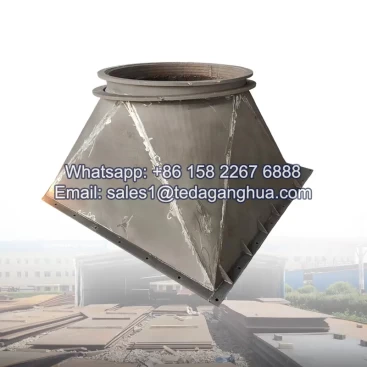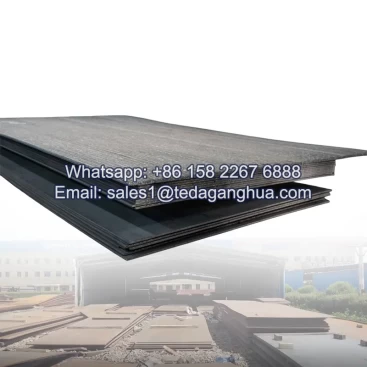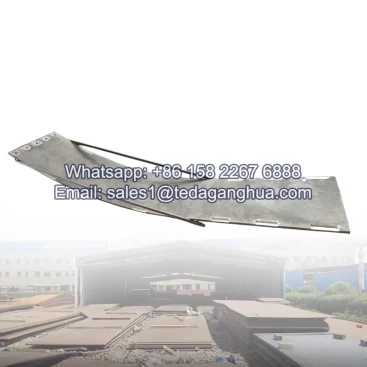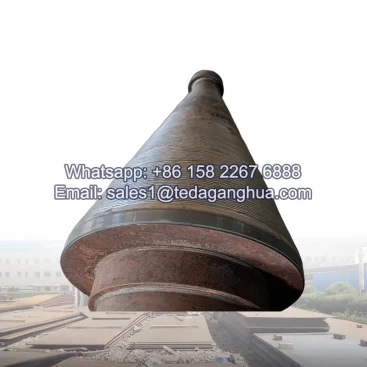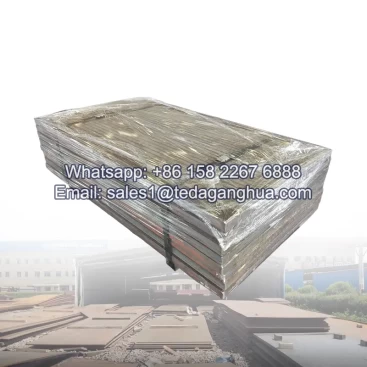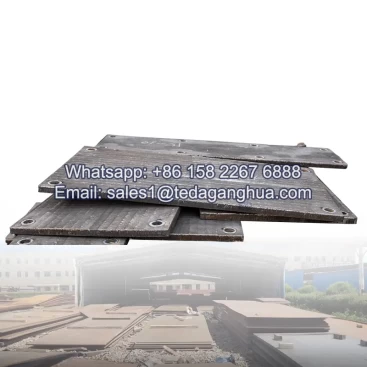

Hardfacing Steel

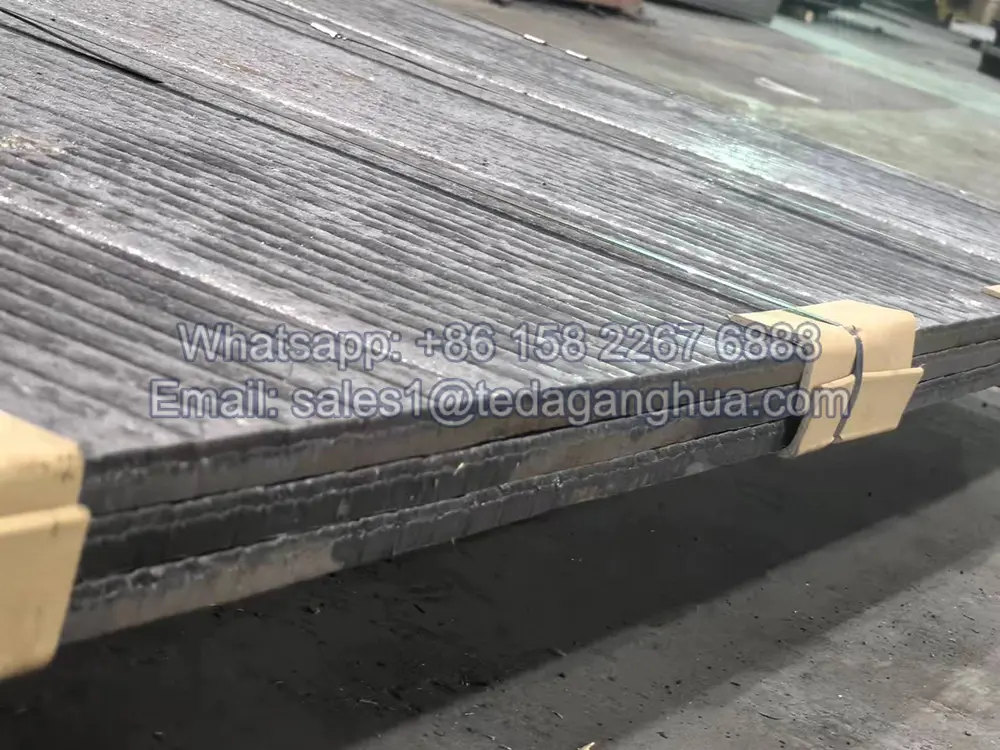
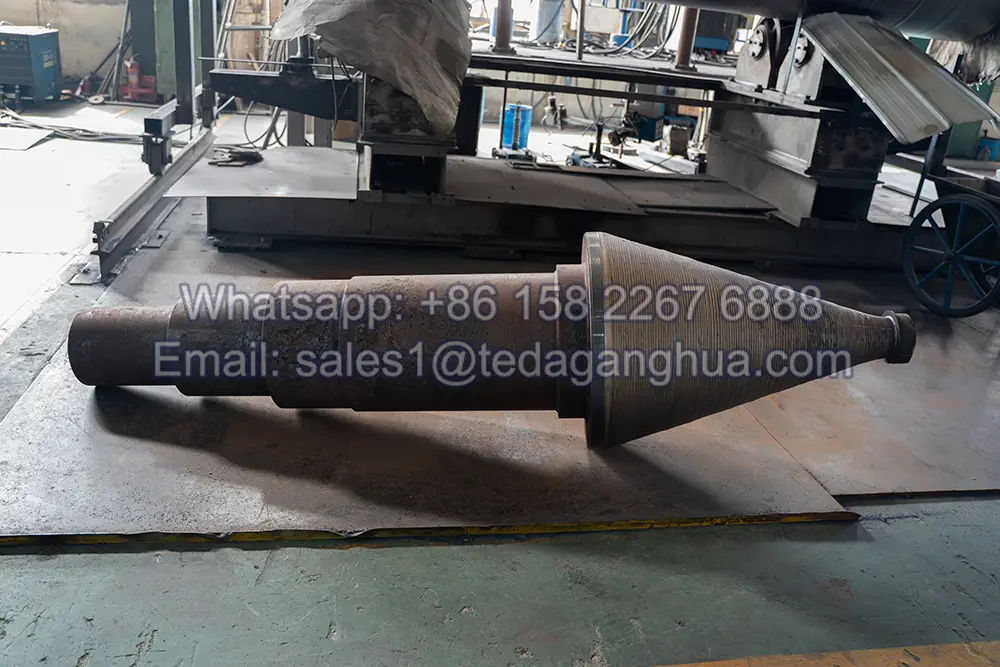
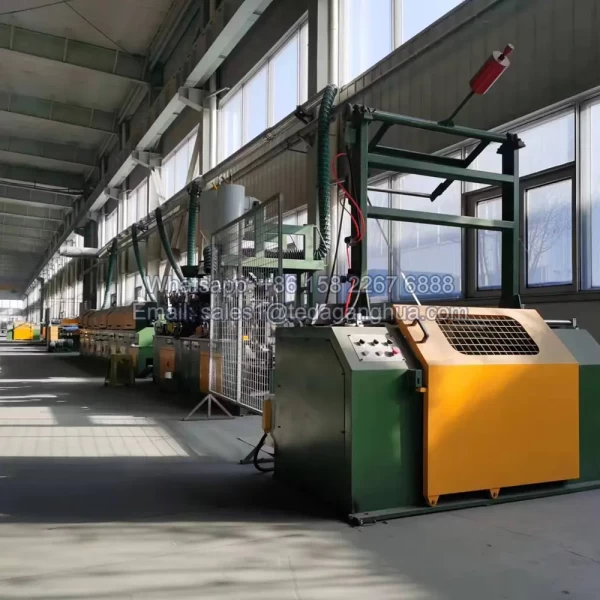
The hardfacing layer in hardfacing steel is produced through controlled overlay welding, using methods such as SAW, FCAW, SMAW, or PTA.
By combining a hard, wear-resistant overlay with a tough steel base, hardfacing steel delivers maximum protection in extreme wear and impact environments, making it ideal for mining, cement, power, and material handling applications.
- Description
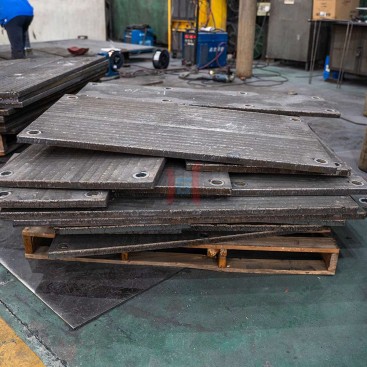
Hardfacing steel refers to steel components that have been coated with a hard, wear-resistant layer through overlay welding.
The hardfacing layer dramatically increases the abrasion, impact, and erosion resistance of industrial parts, extending service life in mining, cement, power, and material handling applications.
Hardfacing Layer Structure
A typical hardfaced steel component has two main layers:
-
Overlay Layer (Hardfacing Layer)
-
Made of high-alloy steel, chromium carbide, or cobalt-based alloys.
-
Hardness: 50–65 HRC depending on the material.
-
Function: Protects against sliding, impact, and erosive wear.
-
-
Base Steel Layer
-
Usually mild steel (Q235), AR/NM wear steel, or structural steel.
-
Provides toughness, impact resistance, and structural support.
-
Hardfacing Welding Processes
Several welding techniques are used to deposit the hardfacing layer:
| Process | Description | Advantages |
|---|---|---|
| Submerged Arc Welding (SAW) | Large-scale welding with chromium carbide or hardfacing wires | High deposition rate, uniform layer thickness |
| Flux-Cored Arc Welding (FCAW) | Uses flux-cored wires with hard particles | Flexible, suitable for medium and small parts |
| Shielded Metal Arc Welding (SMAW) | Manual welding with hardfacing rods | Simple, ideal for repairs or field work |
| Plasma Transferred Arc (PTA) | High-energy plasma weld deposits powder overlay | Very high hardness, minimal dilution, excellent wear resistance |
Key Considerations in Hardfacing
-
Overlay Thickness
-
Typically 3–20 mm depending on wear conditions.
-
Multi-pass welding may be used to build up the desired thickness.
-
-
Preheating & Interpass Temperature
-
Thick steel components may require preheating (150–250°C) to prevent cracking.
-
Interpass temperature control ensures uniform hardness and minimal residual stress.
-
-
Dilution Control
-
Maintaining low dilution (≤10–15%) between the overlay and base steel is critical to preserve hardness.
-
-
Post-Weld Heat Treatment
-
Stress relief at 150–200°C may be applied.
-
Reduces residual stresses and ensures dimensional stability.
-
-
Surface Finishing
-
Grinding or shot blasting removes weld spatter and uneven surfaces.
-
Ensures consistent wear resistance and smooth operation.
-
Typical Applications of Hardfacing Steel
-
Mining: Crusher liners, bucket edges, hammer plates
-
Cement & Concrete: Slurry chutes, mixer blades, screw conveyors
-
Power Plants: Coal chutes, ash handling equipment
-
Recycling & Material Handling: Shredders, impact surfaces, conveyor liners
Advantages of Hardfacing Layer
-
Extreme Wear Resistance: Protects equipment from sliding and impact abrasion
-
Extended Service Life: Reduces downtime and maintenance costs
-
Customized Overlay: Thickness and alloy composition tailored to operating conditions
-
Impact Toughness: Steel base absorbs shocks while the overlay resists wear