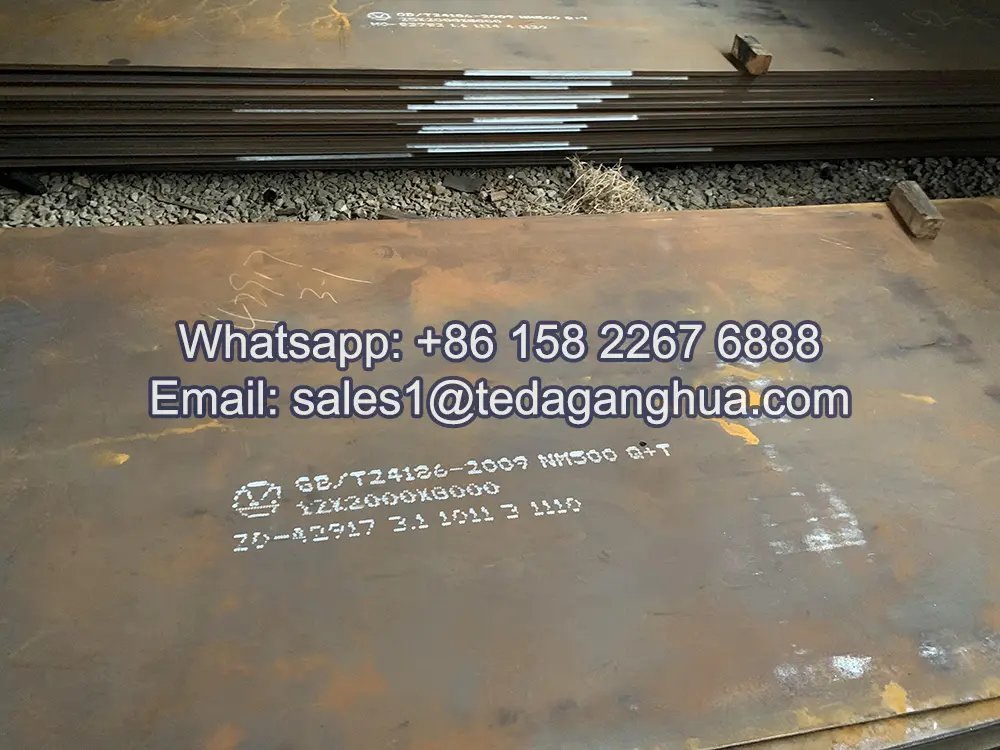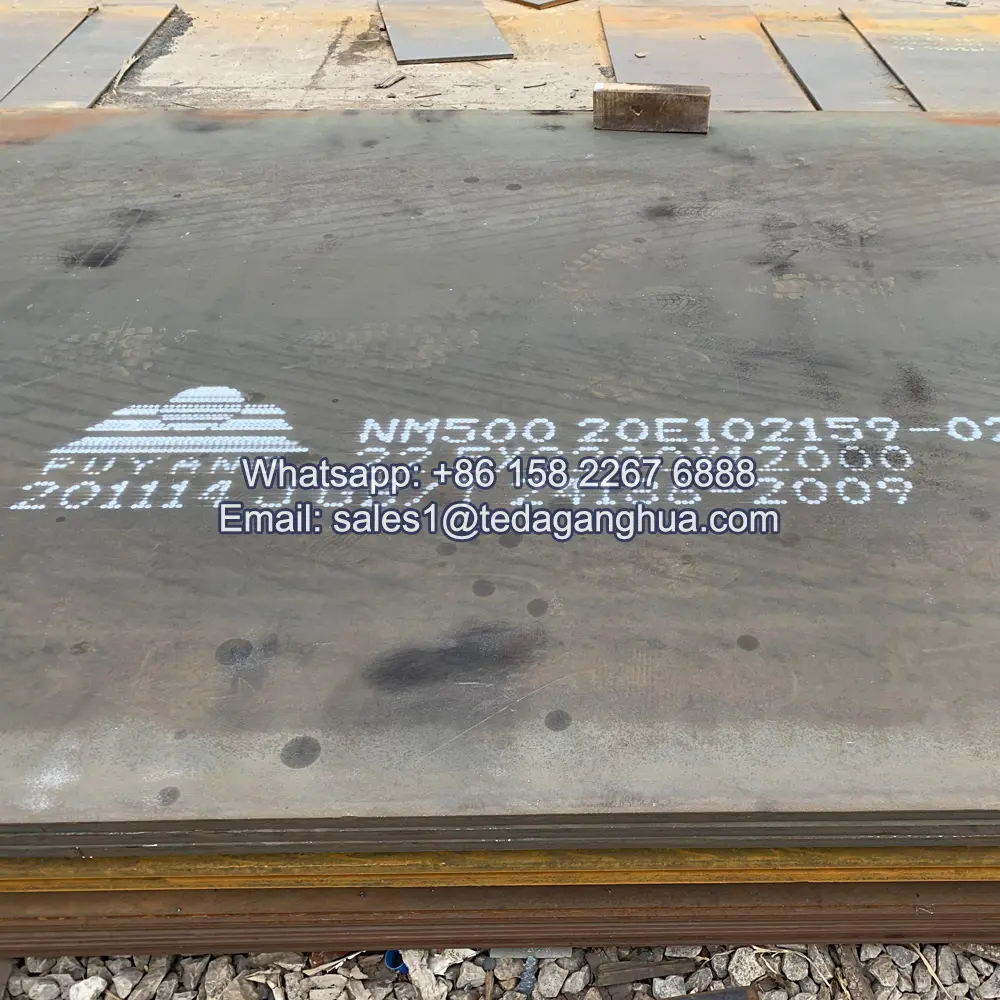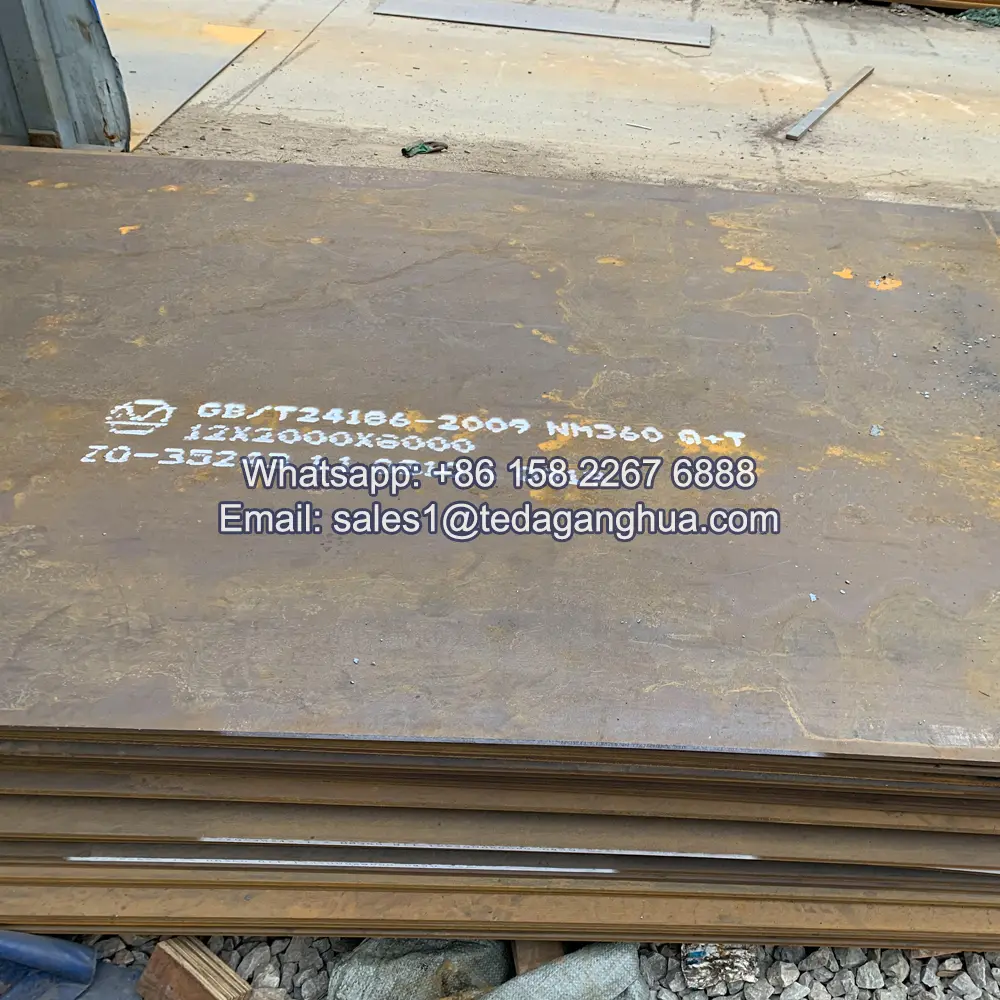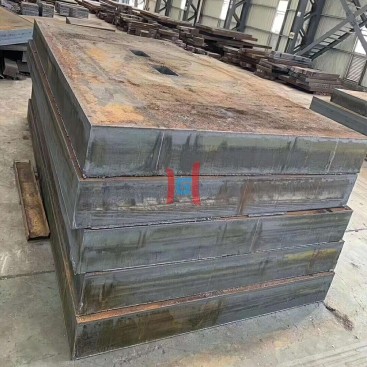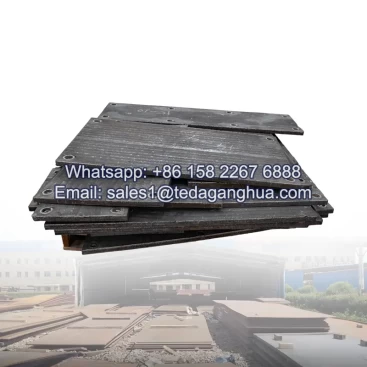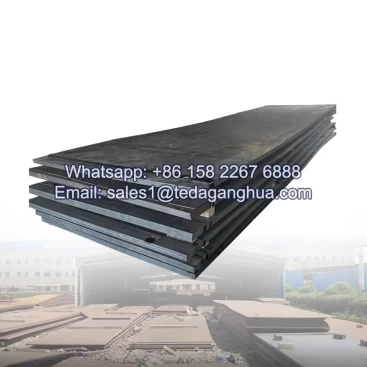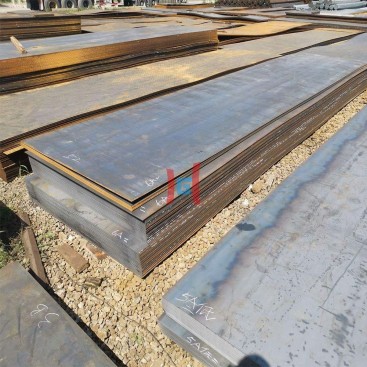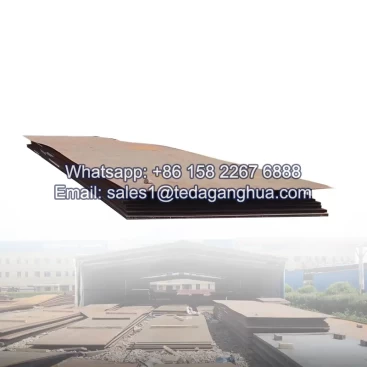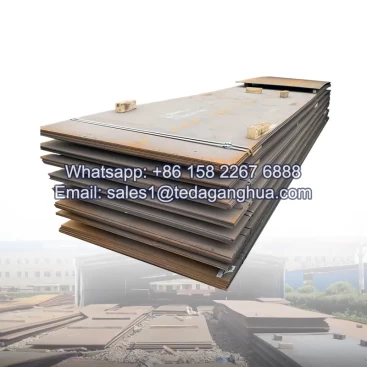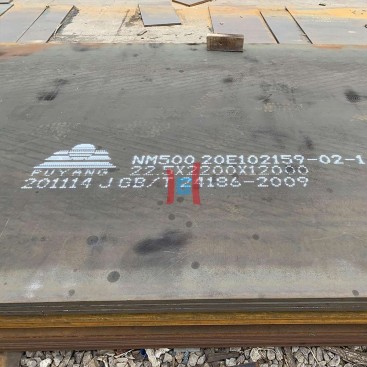
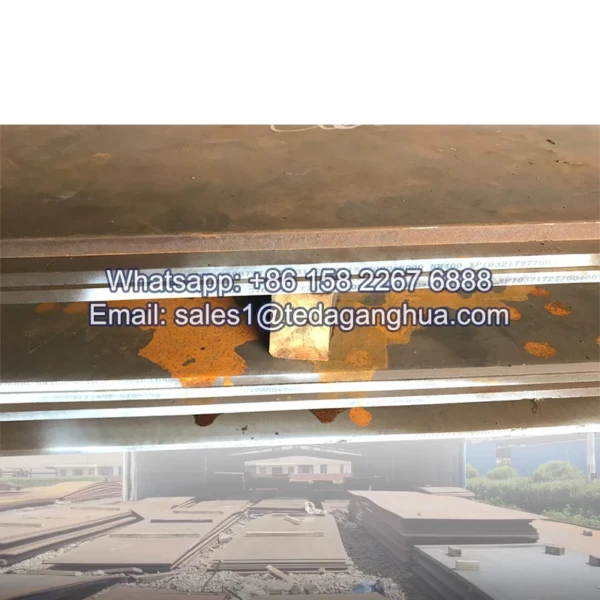
High Wear Resistant Steel
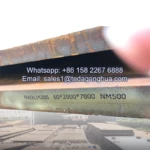
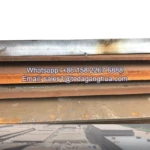
High wear resistant steel is engineered to provide exceptional abrasion resistance through high hardness, alloy strengthening, and controlled heat treatment. Its wear performance is significantly superior to ordinary carbon steel, especially in environments involving severe friction and abrasive particles.
Different grades such as AR400, AR450, AR500, and AR600 provide varying balances between wear resistance, toughness, and processing capability, allowing industries to select materials according to specific working conditions.
- Description
High wear resistant steel is a specialized alloy steel designed to withstand severe abrasion, friction, and impact in demanding industrial environments. Compared with ordinary carbon steel, it offers significantly longer service life under abrasive working conditions.
Its wear resistance mainly comes from a combination of:
- High hardness
- Alloy strengthening
- Heat treatment technology
- Optimized microstructure
These materials are widely used in mining, cement plants, construction machinery, recycling systems, and heavy material handling equipment.
1. What Is Wear Resistance in Steel?
Wear resistance refers to the ability of steel to resist:
- Surface material loss
- Friction damage
- Sliding abrasion
- Impact abrasion
- Particle erosion
In industrial environments, wear is commonly caused by:
- Sand
- Ore
- Gravel
- Coal
- Cement particles
- Metal fragments
High wear resistant steel reduces the rate of surface degradation during continuous operation.
2. Main Factors Affecting Wear Resistance
Hardness
Hardness is the most important factor influencing abrasion resistance.
Generally:
- Higher hardness = better wear resistance
- Lower hardness = better toughness and easier processing
Common hardness ranges:
- AR400 → ~400 HB
- AR450 → ~450 HB
- AR500 → ~500 HB
- AR600 → ~600 HB
3. Alloy Composition Influence
Wear resistant steels contain alloying elements that improve hardness and durability.
| Element | Effect on Wear Resistance |
|---|---|
| Carbon (C) | Increases hardness |
| Chromium (Cr) | Improves abrasion resistance |
| Manganese (Mn) | Enhances toughness |
| Molybdenum (Mo) | Stabilizes hardness |
| Nickel (Ni) | Improves impact resistance |
| Boron (B) | Improves hardenability |
These alloy elements help form a strong martensitic structure after heat treatment.
4. Heat Treatment and Microstructure
Most high wear resistant steels are produced through:
- Quenching
- Tempering
This creates:
- Hard martensitic microstructure
- High surface hardness
- Good balance between wear resistance and toughness
The heat treatment process is critical for achieving stable performance.
5. Types of Wear Resistance
Sliding Abrasion Resistance
Resistance against continuous sliding friction from particles or materials.
Common in:
- Conveyor systems
- Chutes
- Hoppers
Impact Abrasion Resistance
Ability to resist wear combined with repeated impact loading.
Common in:
- Crusher liners
- Excavator buckets
- Mining equipment
Gouging Wear Resistance
Resistance against severe cutting or digging wear.
Common in:
- Rock crushers
- Heavy excavation systems
6. Comparison with Ordinary Carbon Steel
| Property | High Wear Resistant Steel | Ordinary Carbon Steel |
|---|---|---|
| Hardness | Very high | Low–medium |
| Wear Resistance | Excellent | Poor |
| Service Life | Much longer | Short |
| Maintenance Frequency | Lower | Higher |
| Cost Efficiency in Wear Environment | Better long-term | Lower initial cost |
Although wear resistant steel may have higher initial material cost, its longer service life often reduces total operational cost.
7. Common High Wear Resistant Steel Grades
| Grade | Approximate Hardness | Main Characteristics |
|---|---|---|
| AR400 | Balanced toughness and wear resistance | |
| AR450 | Improved abrasion performance | |
| AR500 | Severe wear applications | |
| AR600 | Extreme wear resistance | |
| Mn13 High Manganese Steel | Work-hardening under impact |
8. Typical Industrial Applications
High wear resistant steel is widely used in:
- Mining equipment
- Dump truck liners
- Crusher systems
- Cement handling equipment
- Excavator buckets
- Recycling machinery
- Agricultural wear parts
- Coal processing systems
9. Advantages of High Wear Resistant Steel
- Longer service life
- Reduced downtime
- Lower maintenance cost
- Better equipment efficiency
- Improved resistance to abrasive particles
- Stable performance under harsh conditions