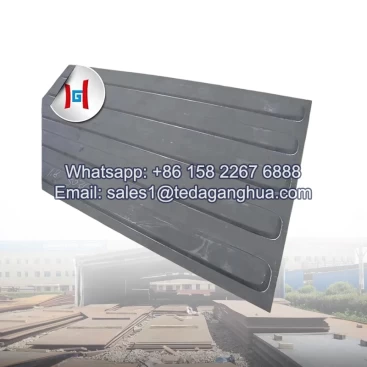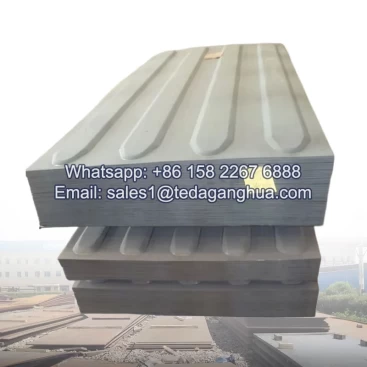
Residential Corten Steel Cladding

The main difference between Corten steel and wood in garden applications lies in durability, maintenance, and long-term performance. While wood offers a traditional look, Corten steel provides superior weather resistance, structural strength, and minimal maintenance, making it an ideal choice for residential garden cladding and landscaping projects.
- Description
When selecting materials for residential garden cladding, planters, and landscaping structures, the most common comparison is between Corten steel and wood. While both offer natural aesthetics, their performance, durability, and maintenance requirements are very different.
Key Differences: Corten Steel vs Wood
| Aspect | Corten Steel | Wood |
|---|---|---|
| Durability | Very high (decades) | Moderate (5–15 years depending on type) |
| Weather resistance | Forms protective rust layer | Prone to rot, cracking, and warping |
| Maintenance | Minimal (no coating required) | Requires sealing, painting, or treatment |
| Strength | High structural strength | Lower, may deform over time |
| Insect resistance | Not affected | Vulnerable to termites and pests |
| Appearance over time | Stable patina (red-brown) | Fades, grays, or deteriorates |
| Environmental impact | Long lifespan reduces replacement | Renewable but requires frequent replacement |
Why Corten Steel Is Preferred for Garden Use
1. Superior Weather Resistance
Corten steel reacts with air and moisture to form a stable rust layer, which protects the material from further corrosion.
-
No rotting like wood
-
No cracking due to moisture changes
2. Extremely Low Maintenance
-
No need for painting, sealing, or chemical treatment
-
Ideal for outdoor environments with rain, humidity, or temperature variation
3. Long Service Life
-
Can last 20–50 years or more in outdoor conditions
-
Wood structures typically require replacement or repair much sooner
4. Structural Stability
-
Maintains shape under soil pressure and environmental loads
-
Suitable for raised garden beds, retaining edges, and cladding panels
5. Unique Aesthetic Appeal
-
Develops a natural red-brown patina
-
Provides a modern, industrial yet organic look
-
Color remains relatively stable once fully weathered
Limitations of Wood in Comparison
While wood is widely used, it has several drawbacks in garden environments:
-
Moisture absorption leads to swelling and decay
-
Requires regular maintenance to extend lifespan
-
Susceptible to fungi, insects, and UV degradation
-
Shorter lifecycle increases long-term cost and effort
Typical Garden Applications for Corten Steel
-
Exterior cladding panels
-
Raised garden beds and planter boxes
-
Garden edging and borders
-
Privacy screens and decorative panels