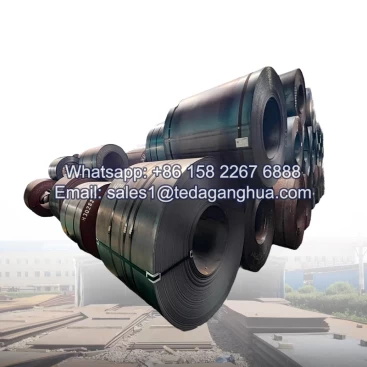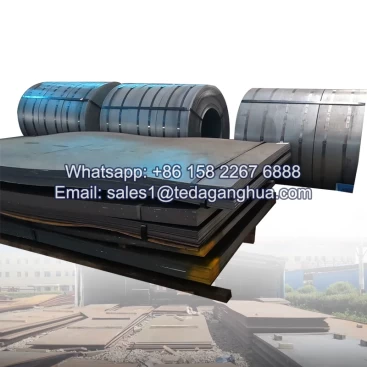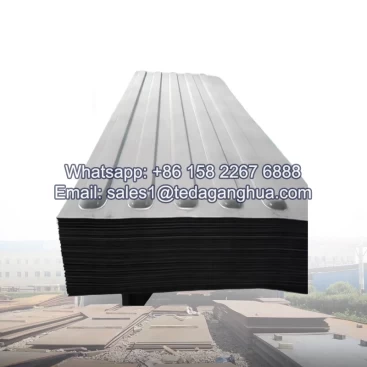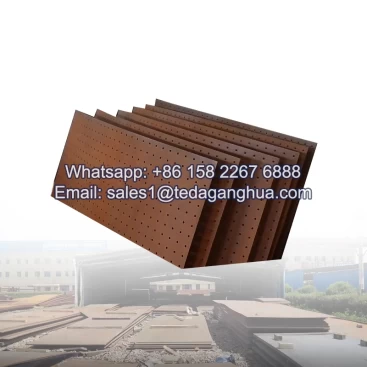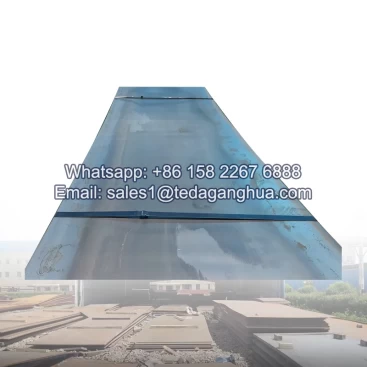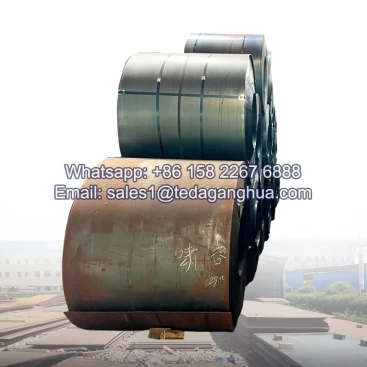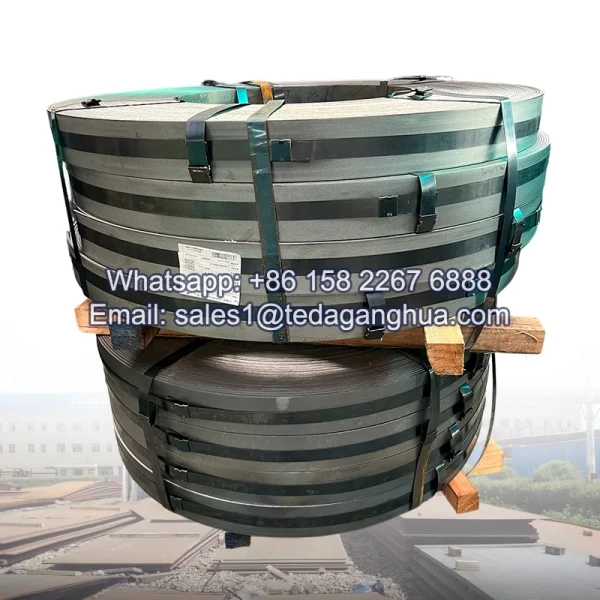
S355 Corten

Both S355 Corten and A588 are high-performance weathering steels with similar corrosion resistance and strength levels. The choice between them depends on:
- Project location and standard requirements
- Welding and fabrication needs
- Structural vs architectural application focus
- Description
“S355 Corten” generally refers to European standard weathering steel grades under EN 10025-5, such as S355J0WP and S355J2W. These steels are designed for structural applications requiring improved atmospheric corrosion resistance and good mechanical strength.
Overview of A588 Weathering Steel
A588 is an ASTM standard weathering steel widely used in North America. It offers high strength and excellent corrosion resistance, especially in infrastructure and heavy structural applications.
Chemical Composition Comparison
Although both materials are weathering steels, their chemical composition ranges differ slightly due to different standards.
Typical Composition Comparison (wt%)
| Element | S355 Corten (EN 10025-5) | A588 (ASTM) |
|---|---|---|
| Carbon (C) | ≤ 0.12 | ≤ 0.19 |
| Manganese (Mn) | 0.20 – 1.50 | 0.80 – 1.25 |
| Phosphorus (P) | 0.07 – 0.15 | ≤ 0.04 |
| Sulfur (S) | ≤ 0.03 | ≤ 0.05 |
| Copper (Cu) | 0.25 – 0.55 | 0.20 – 0.40 |
| Chromium (Cr) | 0.30 – 1.25 | 0.40 – 0.65 |
| Nickel (Ni) | ≤ 0.65 | ≤ 0.40 |
Key Difference:
S355 Corten typically contains higher phosphorus, which enhances atmospheric corrosion resistance, while A588 maintains tighter phosphorus control for better weldability and structural consistency.
Mechanical Properties Comparison
| Property | S355 Corten | A588 Steel |
|---|---|---|
| Yield Strength | ≥ 355 MPa | ≥ 345 MPa (50 ksi) |
| Tensile Strength | 470 – 630 MPa | 485 – 630 MPa |
| Impact Requirement | Optional (J0/J2 grades) | Not always specified |
Key Difference:
S355 Corten offers slightly higher yield strength and optional impact toughness grades, while A588 provides consistent structural performance widely accepted in bridge engineering.
Corrosion Resistance Performance
Both steels form a protective rust layer (patina), but there are subtle differences:
- S355 Corten
- Higher phosphorus content improves patina density
- Often performs well in European climates
- A588 Steel
- Balanced alloy design ensures stable corrosion resistance
- Widely proven in large-scale infrastructure projects
Conclusion:
Corrosion resistance is comparable, but S355 Corten may form a slightly denser patina under certain conditions.
Weldability and Fabrication
- S355 Corten
- Good weldability with proper control
- Higher phosphorus may require stricter welding procedures
- A588 Steel
- Excellent weldability
- Lower phosphorus improves weld performance
Key Insight:
A588 is often preferred for heavy welded structures due to its more controlled composition.
Application Differences
S355 Corten Common Uses
- Architectural facades and cladding
- Landscaping structures
- Light to medium structural applications
- Decorative outdoor elements
A588 Common Uses
- Bridges and highway structures
- Heavy steel construction
- Transmission towers
- Industrial structural frameworks
Standard and Regional Preference
| Aspect | S355 Corten | A588 Steel |
|---|---|---|
| Standard System | European (EN 10025-5) | American (ASTM) |
| Main Markets | Europe, Asia | North America |
| Certification | CE marking applicable | ASTM compliance |
Summary of Key Differences
- Standard: EN (S355) vs ASTM (A588)
- Strength: S355 slightly higher yield strength
- Phosphorus Content: Higher in S355, improving corrosion resistance
- Weldability: A588 generally better
- Application Focus:
- S355 → architectural and general structural use
- A588 → heavy-duty infrastructure