Wear Resistant Coatings for Steel


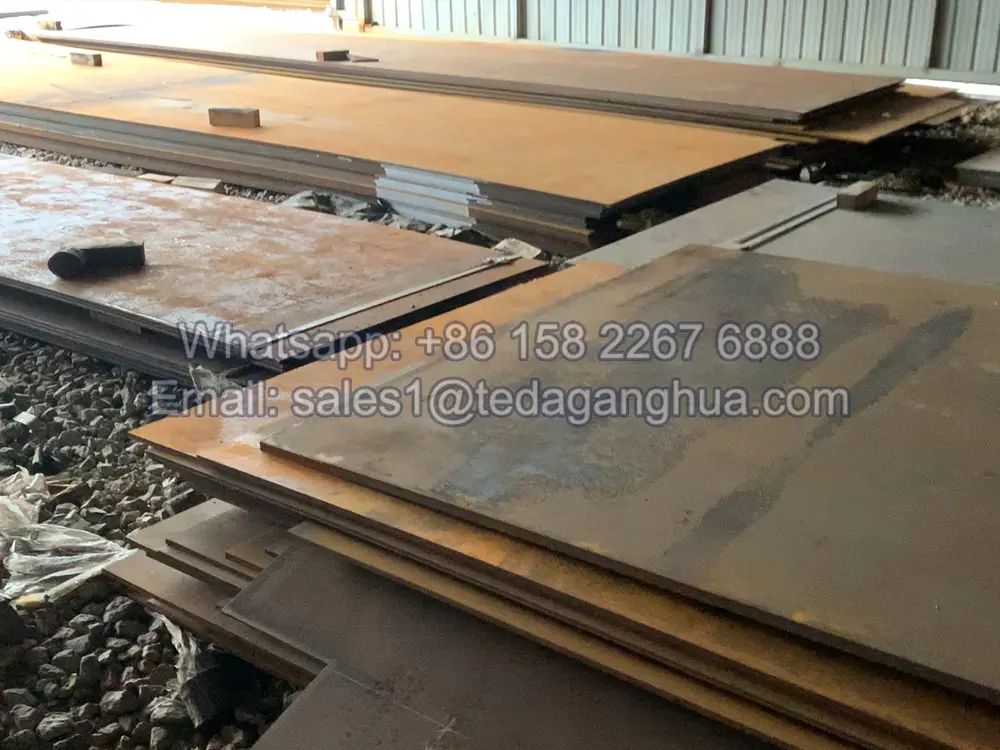
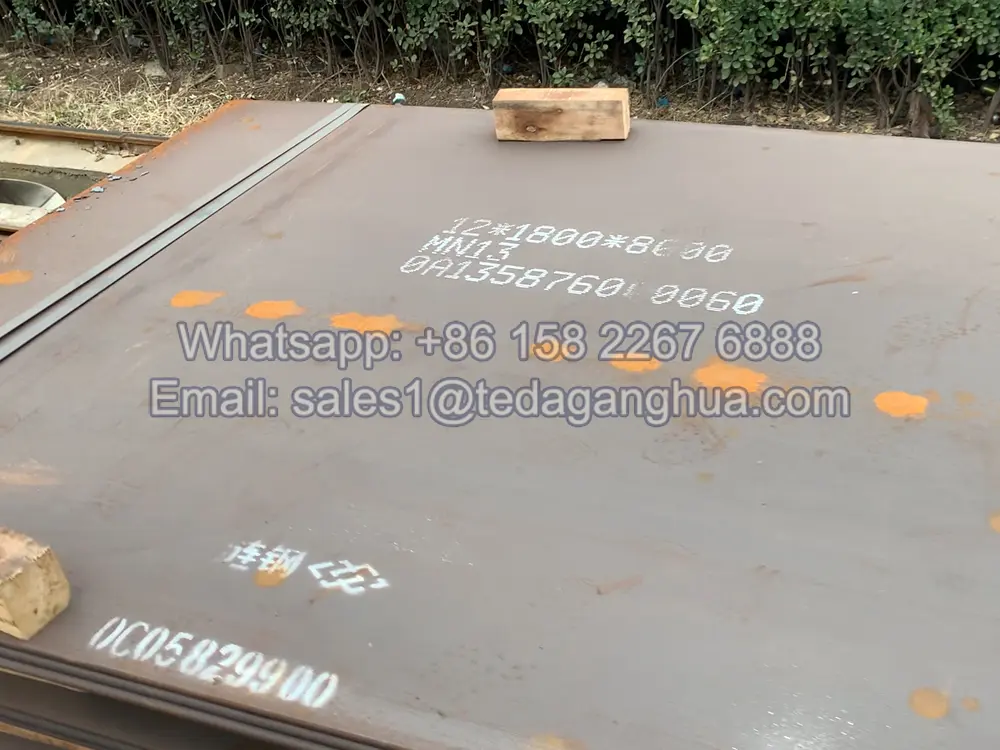
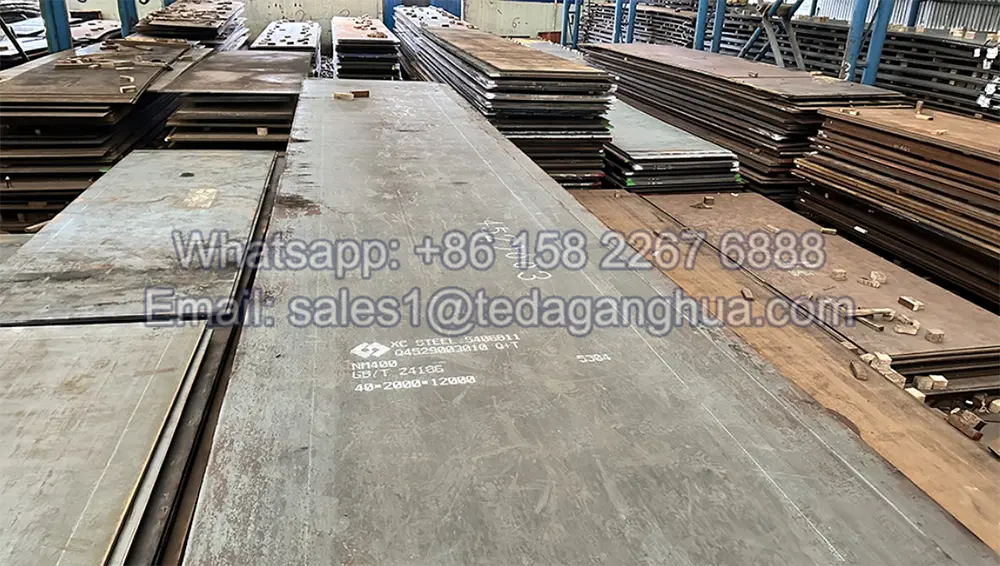
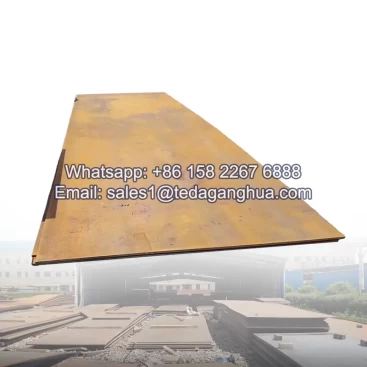
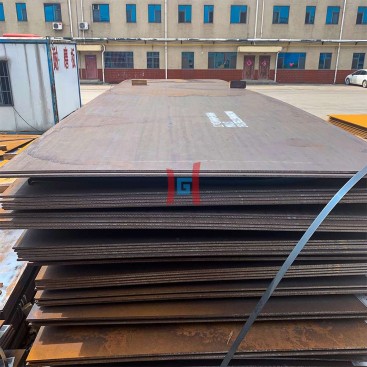
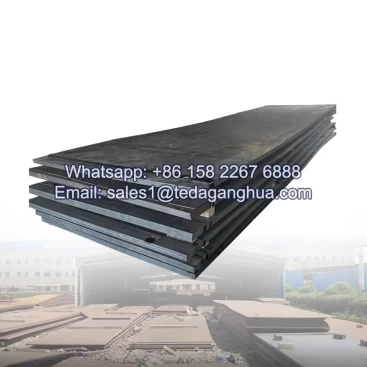
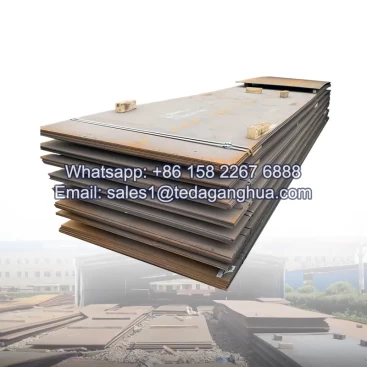
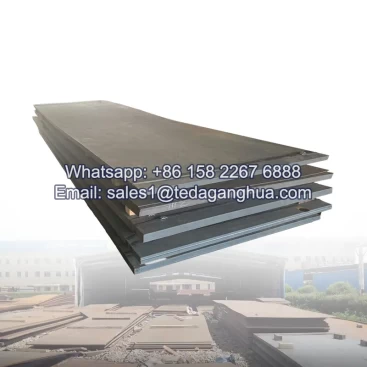
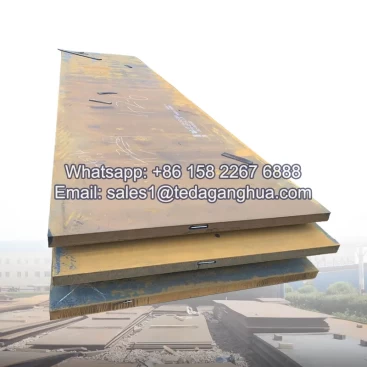
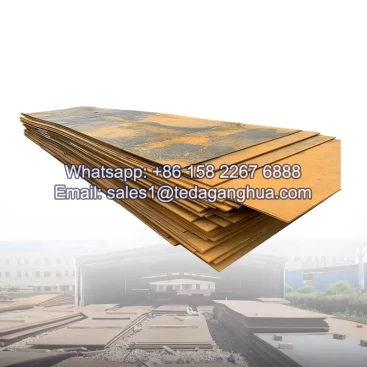
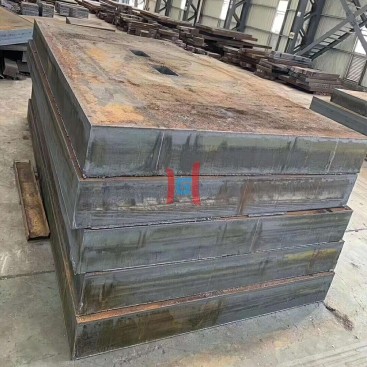
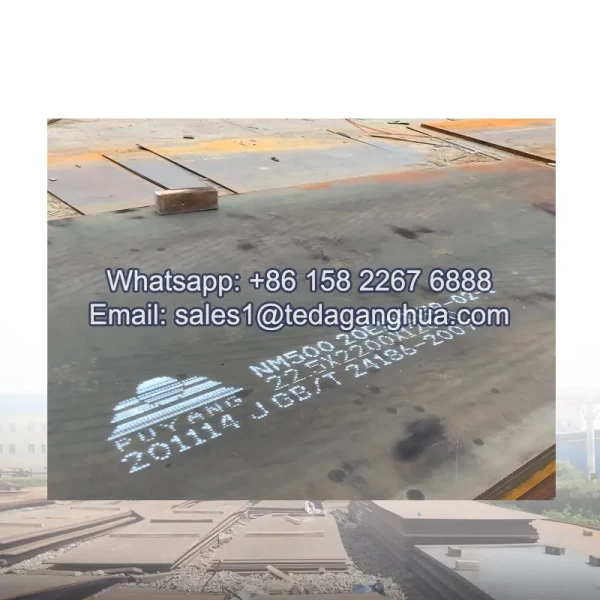
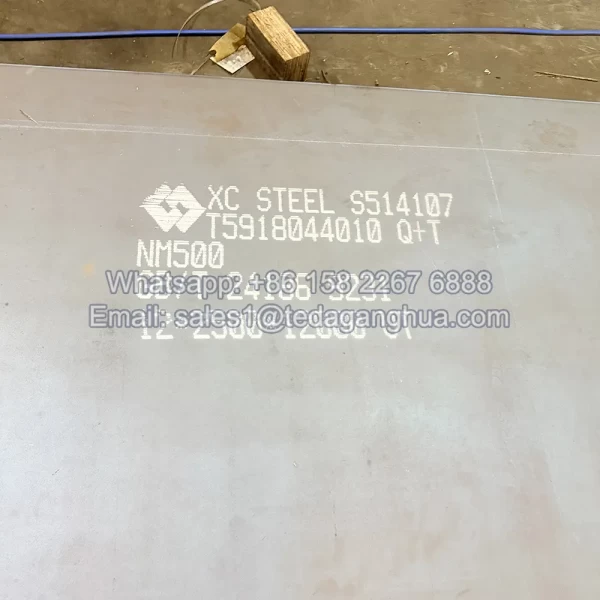
Wear resistant coatings for steel provide exceptional hardness, abrasion resistance, and toughness, making them suitable for extreme industrial environments. The combination of alloy composition, heat treatment, and surface hardfacing ensures that steel plates can endure heavy impact, sliding wear, and high-load operations, while available specifications and thicknesses allow for custom solutions in mining, construction, and material handling equipment.
- Description
Wear resistant coatings for steel are essential for industrial applications where abrasion, impact, and sliding wear are common. These coatings are often applied via hardfacing, alloy overlays, or specialized steel plates to provide superior durability.
1. Composition of Wear-Resistant Steel Plates
High-performance wear-resistant steel plates typically consist of:
| Element | Content (%) | Function |
|---|---|---|
| Carbon (C) | 0.25–0.50 | Forms carbides, increases hardness and wear resistance |
| Chromium (Cr) | 1.0–3.0 | Enhances surface hardness and corrosion resistance |
| Manganese (Mn) | 0.5–1.5 | Improves toughness and work-hardening capacity |
| Nickel (Ni) | 0.3–1.0 | Increases impact resistance and toughness |
| Molybdenum (Mo) | 0.1–0.5 | Improves high-temperature hardness and strength |
| Tungsten / Vanadium (W/V) | 0.05–0.3 | Forms ultra-hard carbides, enhances abrasion resistance |
These alloying elements, combined with specialized surface treatments or hardfacing, create a durable wear-resistant coating over a steel substrate.
2. Mechanical Properties
Wear-resistant steel plates exhibit the following typical mechanical properties:
| Property | Value |
|---|---|
| Brinell Hardness (HB) | 400–500 HB |
| Rockwell Hardness (HRC) | ~45–50 HRC |
| Yield Strength (MPa) | 1000–1200 MPa |
| Tensile Strength (MPa) | 1300–1500 MPa |
| Elongation (%) | 10–15% |
| Impact Toughness (J) | 25–40 J at room temperature |
Key Features:
-
High surface hardness to resist abrasion and sliding wear
-
Balanced toughness to withstand impact loads
-
Can be welded, cut, or fabricated without losing wear performance
-
Stable performance under high temperatures and industrial conditions
3. Typical Specifications
| Type | Thickness (mm) | Width (mm) | Length (mm) |
|---|---|---|---|
| Wear-resistant plate | 4–50 mm | 1000–2500 mm | 2000–12000 mm |
| Heavy-duty structural plate | 50–100 mm | 1200–2500 mm | 2000–12000 mm |
| Custom sizes | As required | As required | As required |
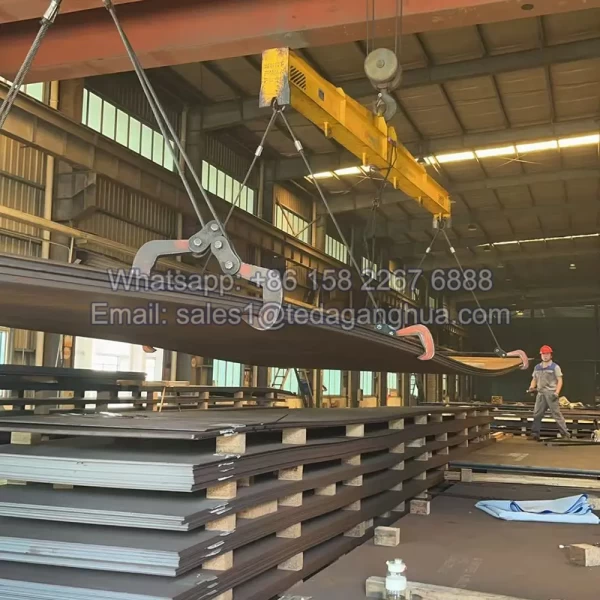
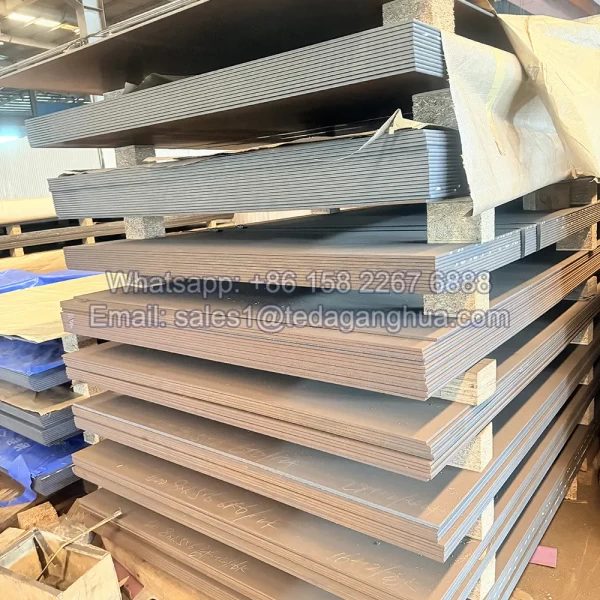
Note: Thickness and dimensions can be customized for specific industrial applications, including mining, material handling, and heavy machinery.
4. Applications
Wear resistant coatings for steel are widely used in:
-
Mining and quarrying: crusher jaws, grinding liners, bucket liners, hoppers
-
Construction machinery: excavator blades, bulldozer edges, wear plates
-
Material handling: conveyor liners, chutes, slurry pumps
-
Industrial equipment: impact-resistant components and high-wear surfaces