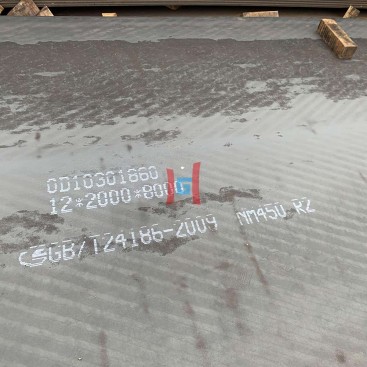

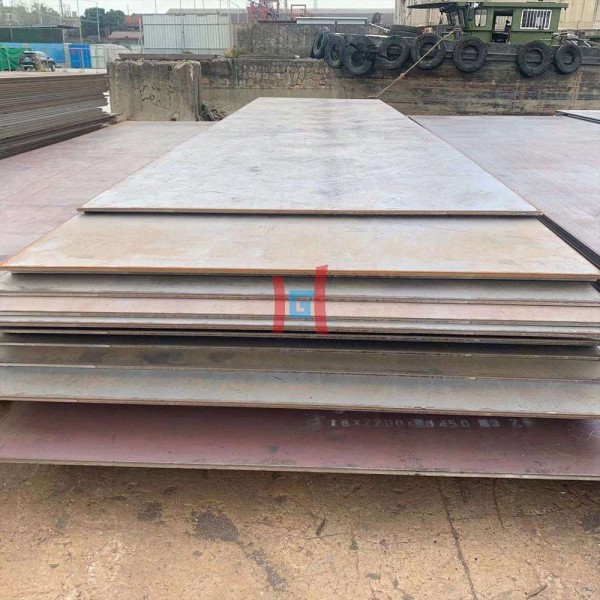
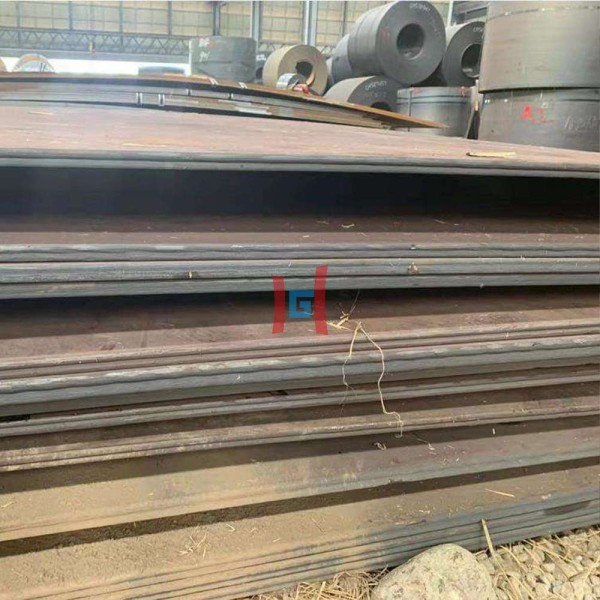
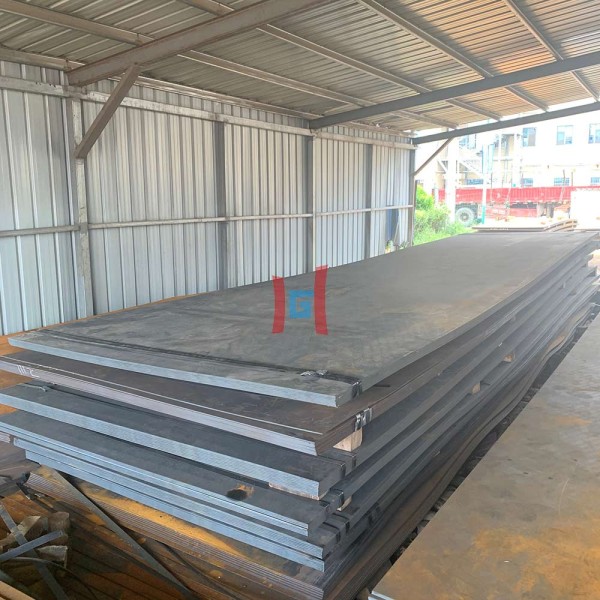
High Strength Low Alloy Steel

Baosteel high strength low alloy (HSLA) steels are engineered materials combining low carbon, microalloying elements, and controlled rolling/cooling processes to achieve high strength, excellent formability, good weldability, and balanced ductility and toughness. These steels are widely used in automotive structures, building and bridge construction, and industrial equipment, providing weight reduction, structural performance, and reliable manufacturability.
- Description
High Strength Low Alloy (HSLA) steel refers to steels with relatively low carbon and low total alloy content that achieve higher strength and better mechanical properties than conventional carbon steels through microalloying (Nb, V, Ti) and controlled rolling/cooling processes. This results in higher yield strength, good ductility, weldability, and formability while maintaining toughness.
Baosteel produces a range of HSLA steels for automotive, structural, and industrial applications using advanced smelting, controlled rolling, and microalloy strengthening technologies.
Baosteel HSLA Steel Grades and Composition
Baosteel offers cold-rolled and hot-rolled HSLA steels with controlled low carbon and microalloying additions that refine grain structure and improve strength. Typical alloying elements include niobium (Nb), vanadium (V), titanium (Ti), manganese (Mn), silicon (Si), and aluminum (Al) in small quantities to enhance strength and ductility without high alloy content.
Example HSLA Grades
| Grade | Main Features |
|---|---|
| B600L / HC700LA | Cold-rolled HSLA, yield ~600–700 MPa, good formability and weldability |
| B650L / B700L / B750L | Hot-rolled HSLA automotive steel with controlled carbon equivalent for improved weldability |
| Dual Phase (DP) Steels (e.g., BR380/580DP, BR450/780DP) | Mix of ferrite and martensite for high strength with good ductility and formability |
Typical Chemical Features:
-
Low carbon: C ≤ ~0.08–0.20 % to improve weldability and ductility
-
Microalloy elements: Nb, V, Ti < 0.1 % to refine grains and precipitate strengthening carbides/nitrides
-
Mn, Si: Moderate levels improve hardenability and strength
Mechanical Properties
Baosteel HSLA steels are engineered to deliver high yield and tensile strength with balanced ductility and toughness:
-
Yield Strength: typically ≥450 MPa to 780 MPa for advanced grades
-
Tensile Strength: often 600 MPa to over 800 MPa
-
Elongation: ≥14–24 % even at higher strengths
These grades are processed using controlled rolling and cooling (TMCP) to achieve fine microstructures that combine high strength with good formability and weldability.
Key Performance Advantages
HSLA steels from Baosteel deliver multiple benefits:
-
High Strength-to-Weight Ratio: Enables weight reduction in structural parts without sacrificing safety
-
Excellent Weldability: Low carbon equivalent and microalloy design improve weld quality and reduce cold cracking risk
-
Good Formability: Suitable for cold stamping, bending, and deep drawing, especially in complex automotive parts
-
Improved Ductility and Toughness: Balanced mechanical properties for structural performance under load
-
Enhanced Fatigue Performance: Advanced formulations withstand cyclic loading in demanding applications
Typical Applications
Automotive Industry
-
Body structural components: chassis beams, frames, side members
-
Safety and load zones: pillars, reinforcements
-
Complex formed parts: wheel discs, suspension components
Structural and Construction
-
Building structures: high-strength structural beams and columns
-
Bridges and infrastructure: load-bearing members requiring high toughness and weldability
Industrial Equipment
-
Mechanical structures: machinery frames, heavy equipment parts
-
Cold-formed applications: panels and assemblies requiring precision forming