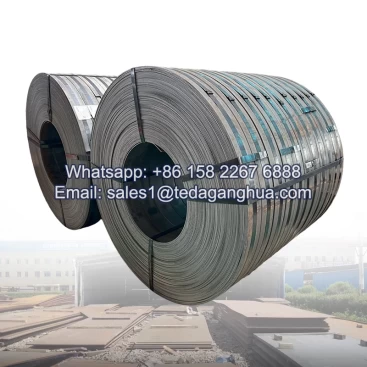
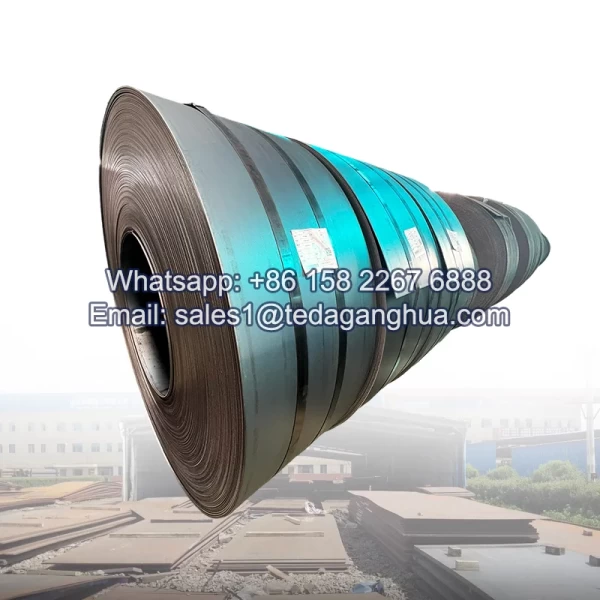
Weathering Steel Cost
Weathering steel cost is generally lower than stainless steel, but higher than ordinary carbon steel. The main reason is the difference in alloy composition:
-
Weathering steel contains small amounts of copper, chromium, and nickel to form a protective rust layer.
-
Stainless steel contains much higher levels of chromium and nickel, which greatly increase material cost.
- Description
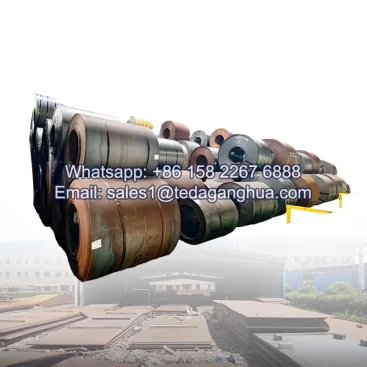
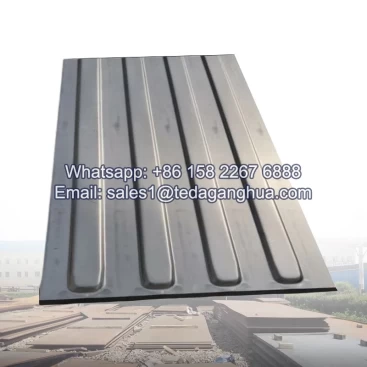
Weathering steel, often called Corten steel, is widely used in architecture, infrastructure, and landscape design because of its corrosion resistance and distinctive rust appearance. When evaluating weathering steel cost, many buyers also compare it with stainless steel, since both materials are used for outdoor applications.
In most cases, stainless steel is significantly more expensive than weathering steel, mainly due to its alloy composition and manufacturing process.
Material Cost Comparison
| Material | Typical Alloy Elements | Relative Cost Level |
|---|---|---|
| Weathering Steel (Corten) | Copper, chromium, small amount of nickel | Medium |
| Stainless Steel (304 / 316) | High chromium and nickel content | High |
Weathering steel is generally more expensive than ordinary carbon steel, but still much cheaper than stainless steel.
Why Stainless Steel Is More Expensive
1. Higher Alloy Content
Stainless steel contains a much higher percentage of expensive alloying elements:
| Element | Purpose |
|---|---|
| Chromium (10–20%) | Provides corrosion resistance |
| Nickel | Improves corrosion resistance and toughness |
| Molybdenum (in some grades) | Improves resistance to chloride corrosion |
These alloy elements are significantly more costly than the small additions used in weathering steel.
2. Corrosion Protection Mechanism
The corrosion resistance mechanisms of the two materials are different:
-
Stainless steel forms a thin chromium oxide film that prevents rust completely.
-
Weathering steel forms a protective rust patina that slows corrosion but still has a rust appearance.
Because stainless steel provides higher corrosion resistance in more environments, it requires more alloying elements, increasing the price.
3. Production Complexity
Producing stainless steel requires more refining and alloy control, which increases manufacturing costs. Weathering steel production is closer to standard structural steel with minor alloy adjustments.
Typical Application Cost Considerations
Even though stainless steel is more expensive, each material is chosen for different reasons:
| Material | Typical Applications | Cost Advantage |
|---|---|---|
| Weathering Steel | Bridges, building facades, landscape structures, garden products | Lower cost with good outdoor durability |
| Stainless Steel | Food processing equipment, coastal architecture, decorative urban structures | Superior corrosion resistance |
For large outdoor structures such as bridges, architectural panels, or garden steel products, weathering steel is often selected because it offers good durability at a lower material cost.