
- Description
Weld Overlay Plate: How Price Relates to Overlay Thickness and Chemical Composition
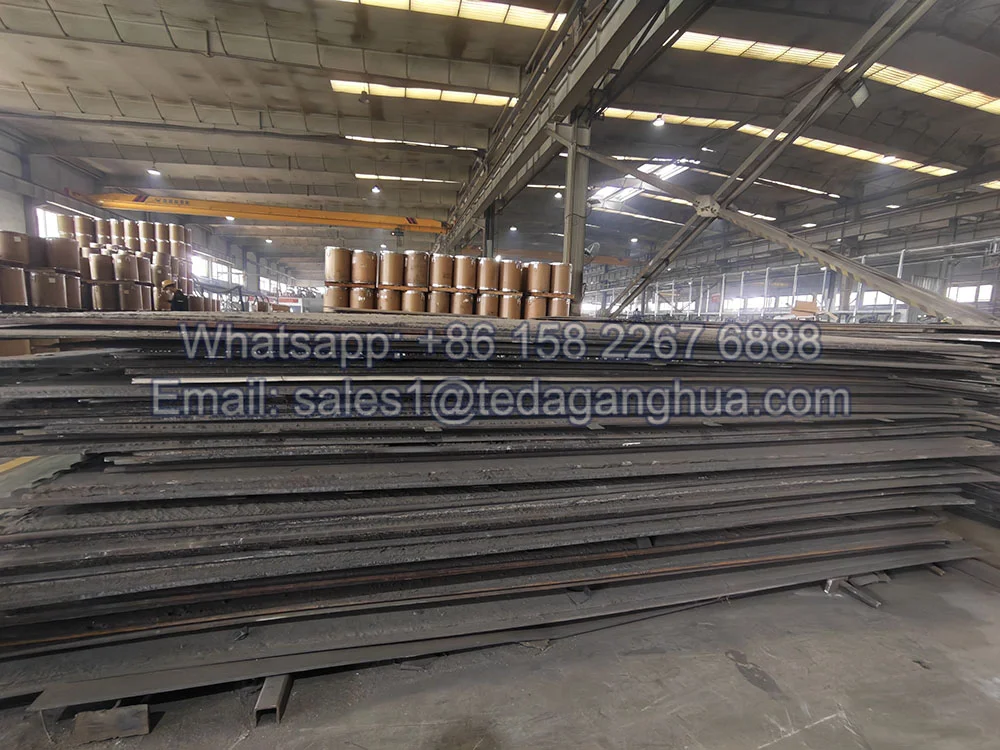
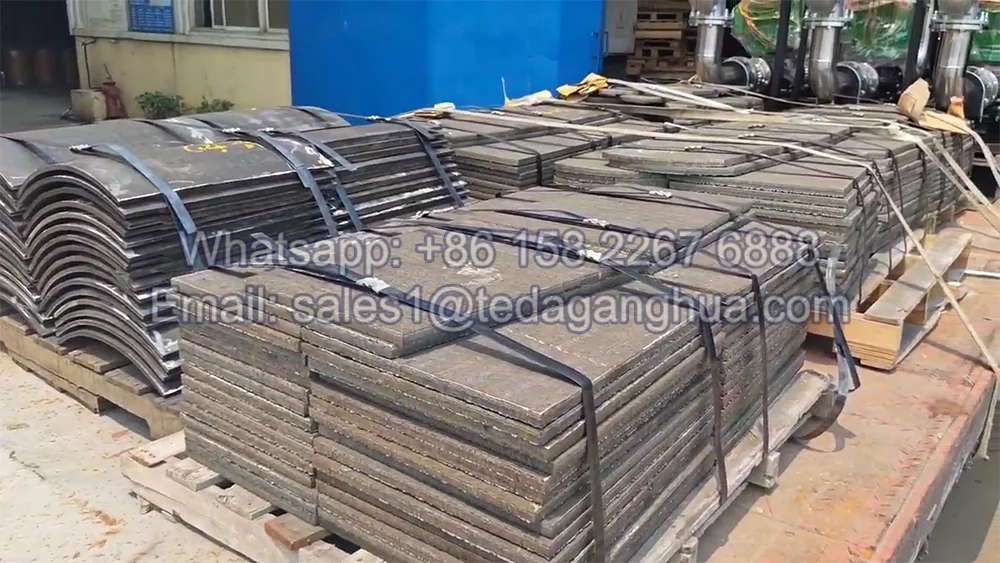
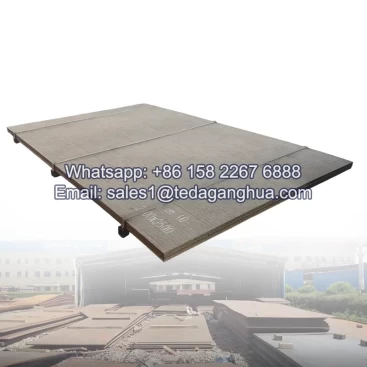
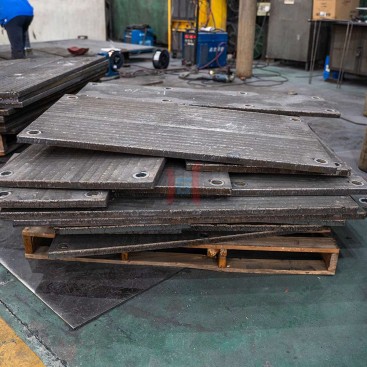
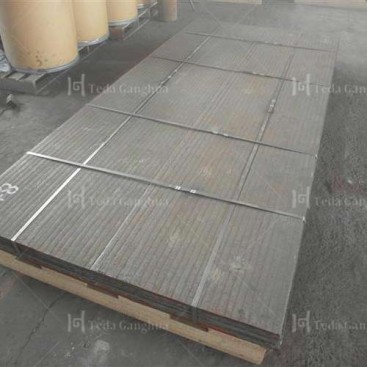
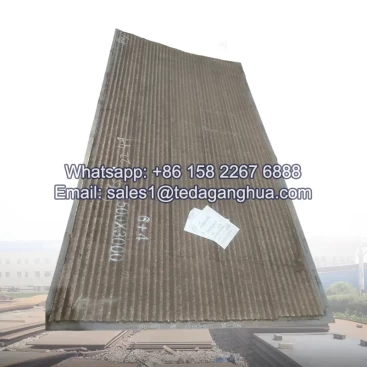
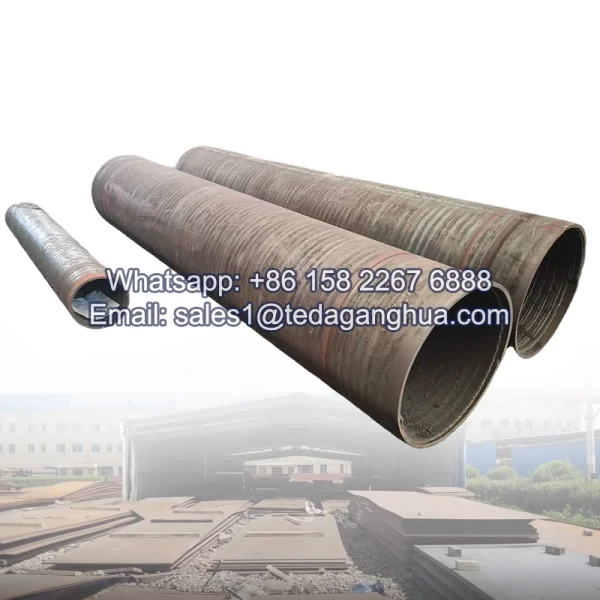
Weld overlay plate is a composite wear-resistant steel plate produced by depositing a hard alloy layer onto a carbon steel or low-alloy steel base through welding technology. Its performance and cost are mainly determined by two key factors: overlay thickness and chemical composition of the weld layer.
Yes, the welding layer composition is directly related to the price, because it determines material cost, hardness, wear resistance, and production complexity.
1. Why Weld Overlay Plate Price Varies
| Cost Factor | Impact on Price |
|---|---|
| Alloy composition | Higher Cr, C, Nb, Mo, W increases cost significantly |
| Overlay thickness | Thicker layers require more welding material and time |
| Welding process | PTA, laser cladding cost more than open arc welding |
| Hardness requirement | Higher hardness requires more complex alloy design |
| Quality control | Strict inspection increases production cost |
2. Relationship Between Overlay Thickness and Cost
| Overlay Thickness | Typical Cost Level | Application |
|---|---|---|
| 3–4 mm | Lower | Light abrasion conditions |
| 5–6 mm | Medium | General industrial wear |
| 7–8 mm | Higher | Severe abrasion environments |
| 10 mm+ | Highest | Extreme wear conditions |
Thicker overlay layers require more welding passes and more alloy consumption, directly increasing cost.
3. Relationship Between Chemical Composition and Price
| Alloy Type | Main Elements | Cost Level |
|---|---|---|
| Standard chromium carbide overlay | Fe + C + Cr (20–30%) | Economical |
| High-chromium complex alloy | Cr + C + Mo + Nb | Medium |
| Tungsten carbide reinforced | WC + Ni/Fe matrix | High |
| Nickel-based overlay | Ni + Cr + B + Si | High to very high |
Higher alloy content improves wear resistance, corrosion resistance, and heat resistance, but also increases raw material and processing cost.
4. Thickness vs Composition: Which Matters More?
- Thickness: Determines service life and wear allowance
- Composition: Determines hardness and wear mechanism
- Both together: Define final performance and price level
In most cases, alloy composition has a greater impact on performance, while thickness mainly affects service life duration.
5. Why Better Composition Costs More
- Higher alloy cost (Cr, Nb, W, Ni)
- More complex welding control
- Lower production speed
- Tighter quality requirements
6. Teda Ganghua Weld Overlay Plate Supply Capability
As a professional wear-resistant steel supplier, Teda Ganghua provides weld overlay plates with different thickness options and alloy systems, helping customers balance cost and performance based on real working conditions.
We offer customized chromium carbide, complex carbide, and nickel-based overlay solutions for mining, cement, steel, and power industries.
Explore our wear-resistant steel products here:
Chromium Carbide Overlay Plate
Conclusion
Yes, weld overlay plate price is directly affected by both overlay thickness and chemical composition. Thickness determines how long the plate lasts, while alloy composition determines how well it resists wear. The best solution is always a balance between cost and working condition.