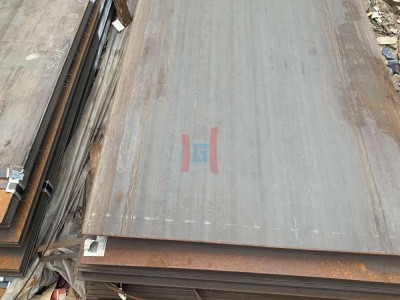
Overview of NM450 and AR450 Steel

Overview of NM450 and AR450 Steel NM450: Originates from China, where it is widely manufactured. "NM" stands for "wear-resistant steel" in Chinese standards. The "450" represents its nominal hardness value, typically around 450 HBW (Brinell Hardness). AR450: A globally recognized grade, especially under American standards. "AR" stands for "Abrasion Resistant." Similarly, "450"...
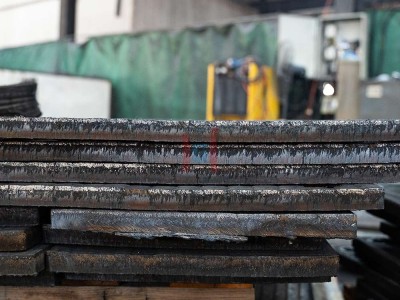
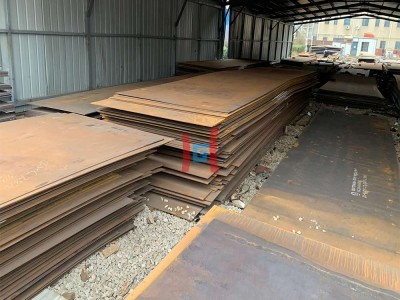
NM400 NM450 NM500 Steel Service Wear-Resistant Steel

Service: SERVICE DESCRIPTION Cutting 1. Can be cut by plasma, laser, water jet, arc gouge, and abrasive saw cutting; 2. Cannot be cut by oxy-fuel. Welding 1. Use 480 MPa (70 ksi) or 560 MPa (80 ksi) consumable to join base metal; 2. After welding, joint should be capped by overlay for wear protection. Machining 1. Not machinable by conventional methods; 2. Can...

NM400 Wear-Resistant Steel Plate: Features, Applications, and Cutting Guidelines

Features of NM400 Steel Plate NM400 is a high-strength, wear-resistant steel plate known for its durability and performance. Mechanical Properties: 3-5 times stronger than ordinary low-alloy steel plates. Surface Hardness: Typically between 360-450HB. Benefits: Enhances wear resistance, increases machinery service life, and lowers production costs. Applications NM400 plates are widely used in industries...

Differences Between Wear-Resistant Steel Plates and Bimetallic Composite Wear-Resistant Plates

Differences Between Wear-Resistant Steel Plates and Bimetallic Composite Wear-Resistant Plates Wear-resistant steel plates and bimetallic composite wear-resistant plates differ in composition, manufacturing processes, and applications. Below is a detailed comparison to help in selecting the appropriate material for specific needs. 1. Definition Wear-Resistant Composite Steel Plate: This plate consists of a high-alloy wear-resistant...

Hot Rolled Steel: Everything You Need to Know

Hot Rolled Steel: Everything You Need to Know Hot rolled steel is a staple in the industrial world, widely used across various sectors for its versatility, durability, and cost-effectiveness. Whether you’re in construction, automotive manufacturing, or metal fabrication, understanding hot rolled steel is crucial for selecting the right material for your...

Difference Between AR400 and AR500 Steel

What Does "AR" Mean? "AR" stands for abrasion-resistant, indicating steel designed to withstand wear and tear. Hardness Comparison AR400 Steel: Has a hardness of 400 Brinell. AR500 Steel: Features a higher hardness of 500 Brinell. Both are significantly harder than mild steel (130 Brinell) or structural steel (up to 200 Brinell). Applications Abrasion-Heavy Surfaces: ...

Abrasion Resistant (AR) Steel Plate

What is Abrasion Resistant Steel Plate? Abrasion Resistant (AR) steel plate is a high-carbon alloy steel designed for superior hardness, making it ideal for high-wear applications. Unlike low-carbon steel, AR steel’s hardness sacrifices some strength, which limits its suitability for structural applications. Instead, it is highly effective in environments where abrasion...