Wear-Resistant Steel Cost Calculator: Initial Purchase Cost vs Long-Term Maintenance Savings
Cost Calculator: Initial Purchase Cost vs Long-Term Maintenance Benefits of Wear-Resistant Steel
When purchasing wear-resistant materials, many buyers focus only on the initial plate price. However, in mining, cement, recycling, and heavy equipment industries, the real cost is determined by the complete lifecycle: material purchase + fabrication + replacement frequency + equipment downtime.
A lower-cost wear plate may appear attractive at first, but if it requires frequent replacement, the total operating cost can be much higher. This guide explains how to calculate the real economic value of wear-resistant steel plates such as NM400, NM450, and NM500.
1. The Basic Wear Material Cost Formula
The total lifecycle cost of a wear plate can be calculated using the following formula:
| Cost Item | Calculation Method |
|---|---|
| Initial Material Cost | Plate weight × Price per ton |
| Processing Cost | Cutting + drilling + welding + installation |
| Replacement Cost | Number of replacements × Material + Labor Cost |
| Downtime Cost | Maintenance hours × Production loss per hour |
| Total Lifecycle Cost | Initial Cost + Maintenance Cost + Downtime Cost |
2. Low Price Plate vs High Performance Plate Example
| Item | Standard Steel Plate | NM400 Wear Plate |
|---|---|---|
| Initial purchase cost | Lower | Higher |
| Wear resistance | Limited | 3–5 times higher than ordinary steel in abrasive conditions |
| Replacement frequency | High | Much lower |
| Maintenance downtime | Frequent shutdowns | Longer operating cycles |
| Long-term cost | Often higher | Lower lifecycle cost |
3. How to Calculate Wear Plate Return on Investment (ROI)
A simple ROI calculation method:
| Parameter | Example Calculation |
|---|---|
| Original plate lifespan | 3 months |
| NM400 plate lifespan | 12 months |
| Annual replacement times (standard plate) | 4 times/year |
| Annual replacement times (NM400) | 1 time/year |
| Maintenance reduction | Up to 75% |
Although NM400 requires a higher initial investment, the reduced replacement frequency often creates significant savings over the equipment lifecycle.
4. Material Selection and Cost Balance
| Material | Main Advantage | Suitable Application |
|---|---|---|
| NM360 | Balanced cost and wear resistance | Moderate abrasion conditions |
| NM400 | Best balance between hardness and toughness | Mining equipment, crushers, hoppers |
| NM450 | Higher wear resistance | Severe abrasion environments |
| NM500 | Maximum abrasion resistance | Extreme wear applications |
5. Hidden Costs Buyers Often Ignore
| Hidden Cost | Impact |
|---|---|
| Frequent shutdowns | Production loss and delayed delivery |
| Emergency repairs | Higher labor and replacement costs |
| Incorrect hardness selection | Premature deformation or cracking |
| Poor welding quality | Shortened service life |
6. Application Examples
| Equipment | Recommended Material | Cost Benefit |
|---|---|---|
| Mining dump truck liners | NM450/NM500 | Extends replacement cycles |
| Crusher wear plates | NM400/NM450 | Reduces downtime |
| Cement chutes | NM400 | Improves material flow reliability |
| Scrap recycling equipment | NM400 + reinforced design | Balances impact and abrasion resistance |
7. Why Buyers Choose Teda Ganghua
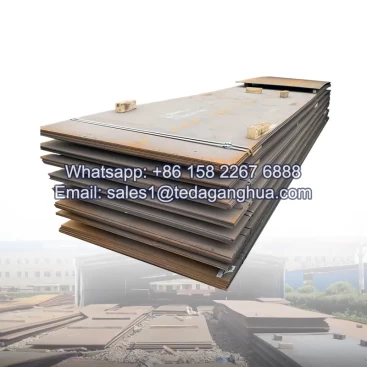
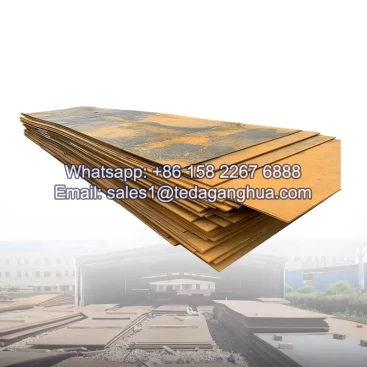
At Teda Ganghua, we help customers evaluate wear-resistant steel based on actual operating conditions, not only material price. Our NM400, NM450, and NM500 wear plates are widely used in mining, cement, recycling, construction machinery, and material handling industries.
We provide professional support including material selection, CNC cutting, drilling, beveling, customized fabrication, and export packaging to help customers reduce maintenance costs and improve equipment efficiency.
Explore our wear-resistant steel products here:
NM400 Wear Resistant Steel Plate
Conclusion
The cheapest wear plate is not always the most economical choice. A correct cost calculation should consider service life, maintenance frequency, and production downtime. By selecting the right grade of wear-resistant steel, companies can reduce total operating costs and achieve better long-term returns.