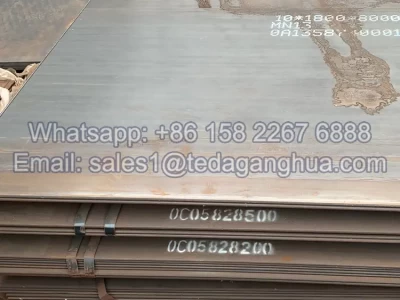
Manganese Wear Plate: High Manganese Steel for Extreme Wear and Impact

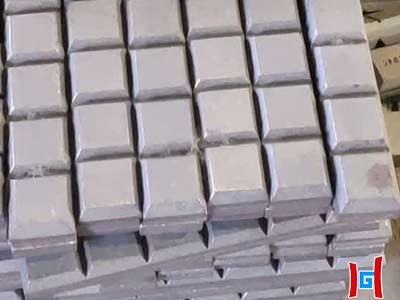
Manganese wear plate, made from high manganese steel (Hadfield steel), is a specialized type of steel widely used in industries requiring exceptional wear and impact resistance, such as mining, cement, aggregate, and heavy machinery. Its unique self-hardening properties and high toughness make it one of the most durable materials for...
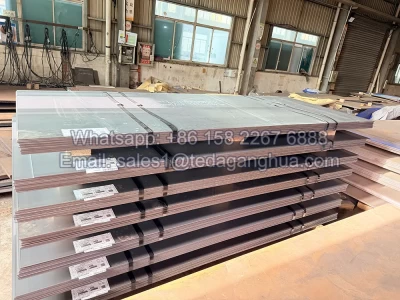
Wear Resistant Steel Grades: Identification & Abrasion Performance

Wear resistant steel (AR steel) is a type of high-strength alloy designed to withstand heavy wear, impact, and abrasion in industrial applications. Understanding the different wear resistant steel grades, how to identify them, and their relative wear resistance is critical for selecting the right material for mining, construction, earthmoving, and...

High Chromium Cast Iron Composite

Wear-Resistant Material Overview High chromium cast iron is a third-generation wear-resistant material. It offers high hardness with some toughness. However, cracks and breakage have often been seen due to low toughness. To fix this, a new composite method has been used. Composite Material Innovation A layer of carbon steel is added under the high...

Differences Between Wear-Resistant Steel Plates and Wear-Resistant Composite Steel Plates

Wear-resistant parts of cladding plates Material Composition Wear-Resistant Steel Plate: Made of high manganese steel and high chromium cast iron, offering high hardness and wear resistance. Wear-Resistant Composite Steel Plate: Consists of a wear-resistant layer and a base plate. The wear-resistant layer, usually made of chromium carbide and carbide, provides superior durability and...

What is High Chromium Bimetal Cladding Plate

Alloy Composition: Carbon: 5.0% Chromium: 27-30% Martensitic matrix with over 60% Cr7C3 type carbides. Hardness: Macroscopic hardness of alloy layer: HRC 57-65. Carbide hardness: HV 1400-1800. Wear Resistance: 20-25 times more wear-resistant than low carbon steel. 8-12 times more wear-resistant than stainless steel and high manganese steel. Over 1.5 times more wear-resistant than general high carbon high chromium wear-resistant steel...

Composite Wear-Resistant Steel Plate for Mill Linings and Fan Blades

Composite Wear-Resistant Steel Plate for Mill Linings and Fan Blades Applications in Industry In the building materials and power industries, mill linings, fan blades, and burner nozzles are subject to heavy wear. To protect these components, reduce maintenance costs, minimize downtime, and extend service life, composite wear-resistant steel plates are used. Material Composition...

Mounting Methods for Surfacing Composite Wear-Resistant Plates

Surfacing composite wear-resistant plates are widely used in modern industry. However, their installation and fixing can be challenging. Here are three recommended methods: 1. Bolt Fixing Bolts can be used to fix the wear-resistant plates in two ways: Welding Bolts to Base Metal: Weld the bolt to the steel plate's base metal,...

Customizable Wear Plates

We customize plates in different sizes and thicknesses based on customer drawings. Additionally, we can cut, bend, and weld wear plates into specific shapes and parts. Characteristics Chromium Carbide Overlay Wear-Resistant Plate Chemical Composition: C: 3.0-5.0%, Cr: 18-30% Chromium Carbide Cr7C3 Volume Fraction: Approximately 40% Wear-Resistant Layer Thickness: Up to 50...