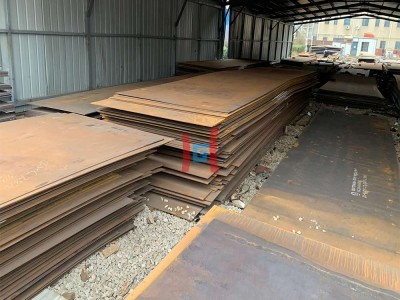
NM400 Wear-Resistant Steel Plate: Features, Applications, and Cutting Guidelines
Features of NM400 Steel Plate
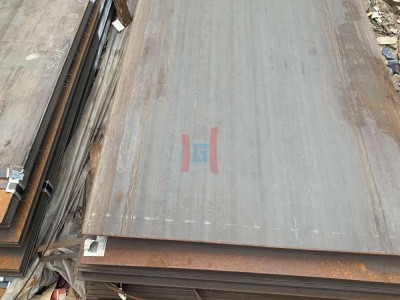
NM400 is a high-strength, wear-resistant steel plate known for its durability and performance.
- Mechanical Properties: 3-5 times stronger than ordinary low-alloy steel plates.
- Surface Hardness: Typically between 360-450HB.
- Benefits: Enhances wear resistance, increases machinery service life, and lowers production costs.
Applications
NM400 plates are widely used in industries such as:
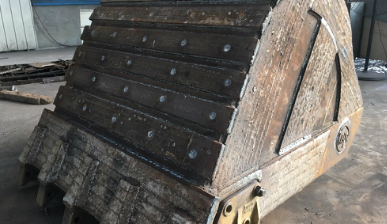
- Engineering Machinery: Excavator and loader bucket plates, blade plates, and side blade plates.
- Mining Machinery: Crusher lining plates and blades.
- Coal Mining: Durable parts for mining equipment.
- Environmental Protection and Metallurgical Machinery: Components for heavy-duty operations.
Processing and Cutting Methods
1. Steel Plate Cutting Techniques
- Cold Cutting: Includes water jet cutting, shearing, sawing, or abrasive cutting.
- Hot Cutting: Includes flame cutting, plasma cutting, and laser cutting.
2. Preventing Cutting Cracks
- Understanding Cutting Cracks: Cracks may occur due to the steel plate’s thickness and hardness, often appearing hours or weeks after cutting.
- Preheating: Preheat the plate before cutting to reduce crack risks. The preheating temperature depends on the steel’s grade and thickness. Methods include flame guns, heating pads, or furnaces.
- Low-Speed Cutting: Slower cutting speeds can reduce crack occurrence, especially when combined with local preheating.
- Post-Cutting Slow Cooling: Allow the cut parts to cool gradually using insulation blankets to avoid sudden temperature changes.
3. Reducing Softening Risk
- Cold Cutting: Best for avoiding softening, especially with water jet cutting.
- Hot Cutting Precautions: For small parts, plasma or laser cutting is preferred to minimize heat exposure. Avoid using flame cutting on parts smaller than 200mm.
- Underwater Cutting:
- Cools the cutting surface during the process.
- Minimizes heat-affected zones and deformation.
- Retains hardness by directly cooling the workpiece after cutting.
4. Post-Cutting Heating
Low-temperature tempering after cutting can prevent cracks and restore the steel’s properties. Heating methods include combustion guns, electronic blankets, or furnaces.
Conclusion
NM400 wear-resistant steel plates offer exceptional strength and durability, making them ideal for heavy-duty applications. Proper cutting techniques, preheating, and post-processing methods are essential to maintain the plate’s quality and performance. For the best results, combining preheating, low-speed cutting, and gradual cooling is highly recommended.