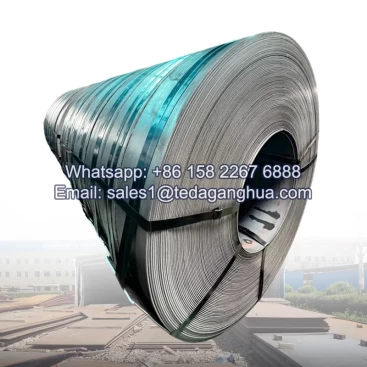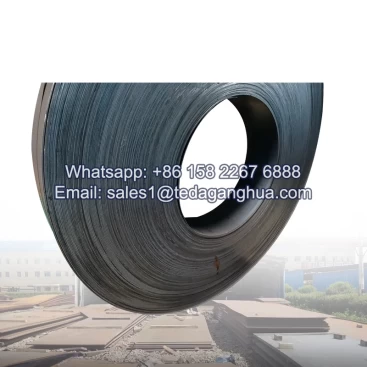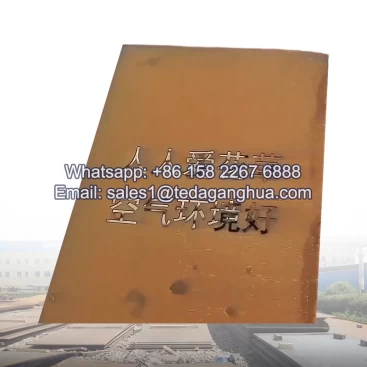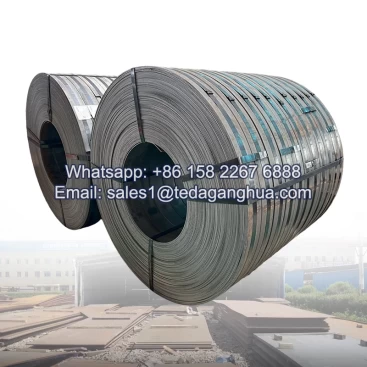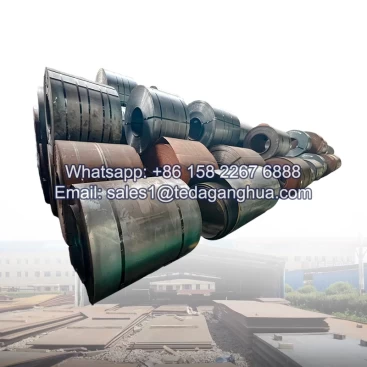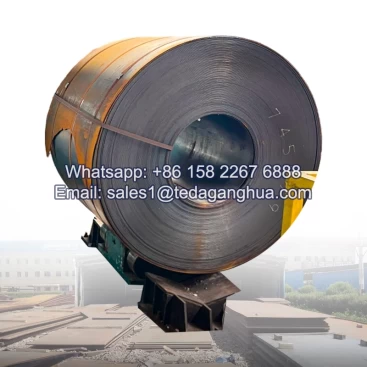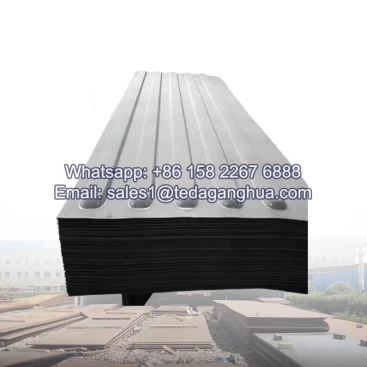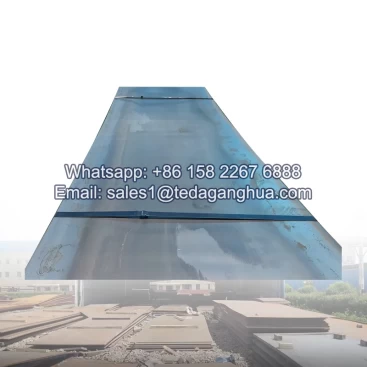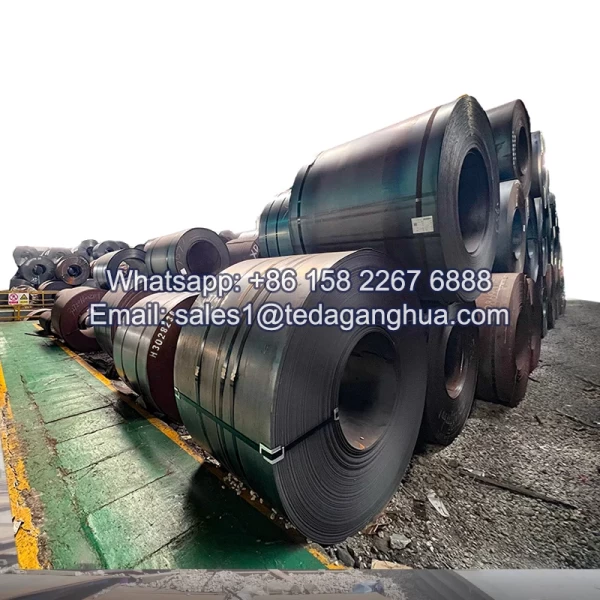
Corten Sheet Metal
Corten sheet metal is available under many grade names worldwide, but the most common materials include ASTM A606 Type 4, ASTM A588, S355J2W, SPA-H, and Chinese grades such as Q355NH and Q235NH. While the domestic and international standards use different naming systems, many grades have similar chemical composition and weather resistance. Understanding these grade comparisons helps buyers choose the correct corten sheet material for architectural, structural, and decorative applications.
- Description
Corten sheet metal is a weathering steel sheet widely used in architecture, landscaping, bridges, and outdoor structures. The material is known for forming a stable rust layer that protects the steel from further atmospheric corrosion. In global trade, corten sheet metal may be supplied under different grade names depending on the country and standard system.
The most common confusion for buyers is that corten steel in China, Europe, and the United States often has different grade names, but many of them are equivalent or very close in performance.
What Is Corten Sheet Metal
Corten sheet metal usually refers to weathering steel sheets with thicknesses from 0.8 mm to 6 mm. It is thinner than corten plate and is mainly used for:
- Architectural wall cladding
- Garden screen panels
- Decorative partitions
- Container panels
- Outdoor sculptures
- Landscape edging
The material develops a dense rust patina after exposure to outdoor conditions, which makes it suitable for long-term external use.
Common International Grades of Corten Sheet Metal
The most common overseas weathering steel grades include:
| Standard | Common Grade | Region |
|---|---|---|
| ASTM | A606 Type 4 | United States |
| ASTM | A588 | United States |
| ASTM | A242 | United States |
| EN 10025 | S355J2W | Europe |
| EN 10025 | S355JOWP | Europe |
| JIS | SPA-H | Japan |
Among these, ASTM A606 Type 4 is the most common grade for thin corten sheet products, especially decorative panels and cladding.
Common Chinese Grades of Corten Steel
In China, the equivalent weathering steel grades are generally:
| Chinese Standard | Common Grade | Description |
|---|---|---|
| GB/T 4171 | Q355NH | Common structural weathering steel |
| GB/T 4171 | Q235NH | Lower strength weathering steel |
| TB/T 1979 | 09CuPCrNi-A | Railway weathering steel |
| GB/T 4171 | Q450NQR1 | High-strength weathering steel |
Among these, Q355NH is one of the most widely used corten sheet materials for export and fabrication.
Chinese vs International Grade Comparison
Although the naming systems differ, many grades are similar in mechanical properties and corrosion resistance.
| Chinese Grade | International Equivalent | Main Application |
|---|---|---|
| Q355NH | ASTM A588 / S355J2W | Structural panels |
| Q235NH | ASTM A242 | Decorative panels |
| 09CuPCrNi-A | SPA-H | Railway and container |
| Q450NQR1 | High-strength weathering steel | Bridges |
Q355NH is often considered the Chinese equivalent of ASTM A588 for many general outdoor structural uses.
Main Differences Between Domestic and International Grades
1. Standard System
The first difference is the standard organization:
- China uses GB/T standards
- United States uses ASTM standards
- Europe uses EN standards
- Japan uses JIS standards
The chemical composition may vary slightly, but all are designed for atmospheric corrosion resistance.
2. Strength Levels
Some grades focus more on decorative use, while others are intended for structural load-bearing applications.
| Grade | Yield Strength |
|---|---|
| Q235NH | ≥ 235 MPa |
| Q355NH | ≥ 355 MPa |
| ASTM A606 | ≥ 345 MPa |
| ASTM A588 | ≥ 345 MPa |
For thin corten sheet metal, ASTM A606 and Q355NH are the most commonly selected grades.
3. Surface Rust Performance
All weathering steel grades contain alloying elements such as:
- Copper (Cu)
- Chromium (Cr)
- Nickel (Ni)
- Phosphorus (P)
These elements improve rust stability, but different standards may adjust content for climate conditions.
For example:
- Japanese SPA-H performs well in humid climates
- ASTM A588 is common in dry and structural environments
- Q355NH is widely used in general industrial fabrication
Why Grade Comparison Matters
For importers and fabricators, understanding equivalent grades helps when sourcing from different countries.
For example:
- A buyer searching for ASTM A606 may receive Q355NH from a Chinese supplier
- A project specifying S355J2W may also accept A588 after technical review
Because corten steel is often processed into screen panels, cladding, and garden products, equivalent grade selection can reduce procurement cost and improve supply flexibility.