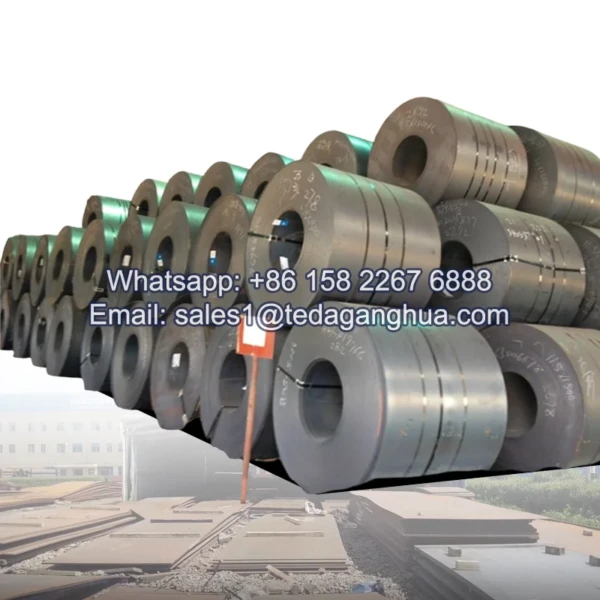
- Description
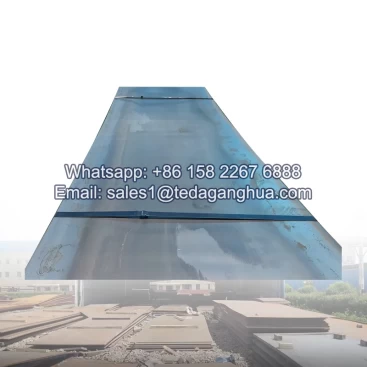
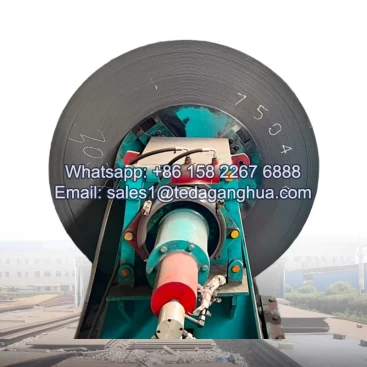
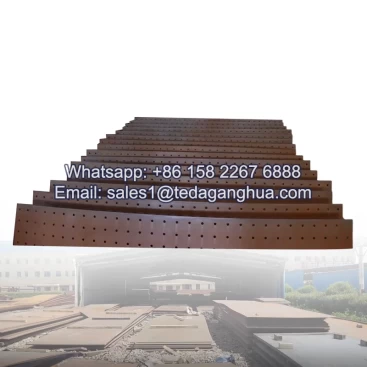
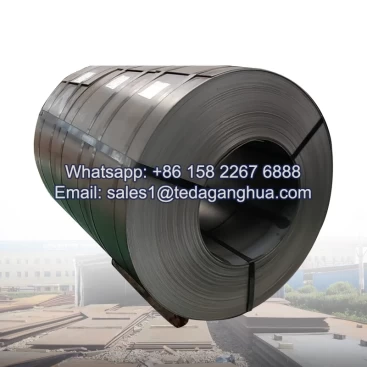
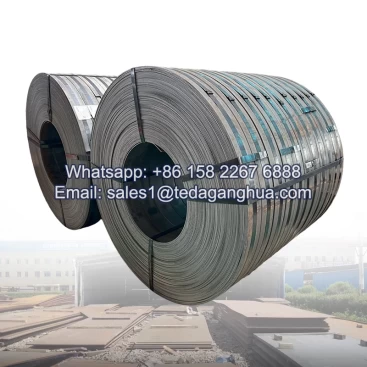
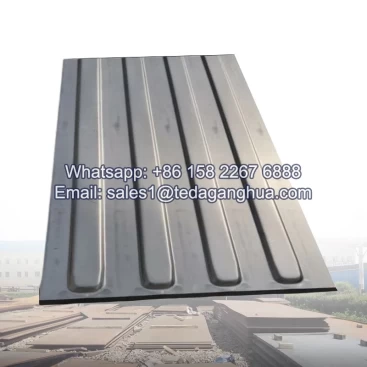
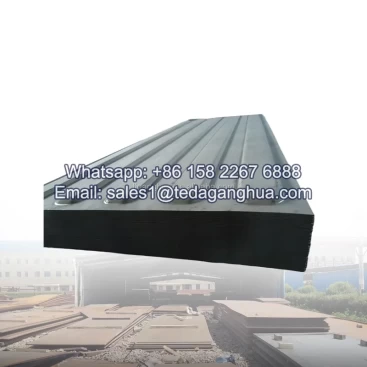
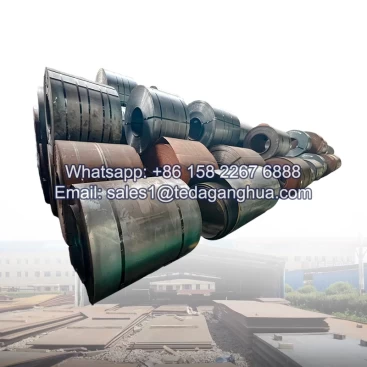
Corten steel sheets are weather-resistant steel plates designed to form a stable protective rust layer after exposure to the atmosphere. This oxidation layer helps reduce further corrosion and gives the steel its characteristic rusted appearance.
Corten steel is widely used in:
- Architectural facades
- Landscape design
- Bridges and structural engineering
- Outdoor sculptures
- Garden screens and wall panels
- Industrial structures
The name “Corten” comes from:
- COR = corrosion resistance
- TEN = tensile strength
Why Different Corten Steel Grades Exist
Different weathering steel grades are developed for:
- Different strength requirements
- Structural engineering standards
- Atmospheric corrosion resistance levels
- Welding and fabrication performance
- Regional industry standards
Some grades focus more on decoration, while others are designed for heavy structural applications.
Common Grades of Corten Steel Sheets
1. Corten A
Characteristics
- One of the most common weathering steel grades
- Excellent atmospheric corrosion resistance
- Good decorative rust appearance
- Lower phosphorus structural limitation than structural grades
Applications
- Architectural wall panels
- Decorative screens
- Landscape structures
- Garden edging
- Exterior cladding systems
Corten A is mainly used for architectural and decorative applications.
2. Corten B
Characteristics
- Higher structural strength than Corten A
- Better heavy-load performance
- Good weldability
- Strong outdoor durability
Applications
- Bridges
- Structural steel frameworks
- Railway wagons
- Industrial buildings
- Heavy outdoor structures
Corten B is more suitable for structural engineering projects.
3. ASTM A588 Weathering Steel
Characteristics
- High-strength low-alloy weathering steel
- Excellent atmospheric corrosion resistance
- Designed for structural applications
Applications
- Highway bridges
- Steel construction projects
- Large outdoor structures
- Structural support systems
ASTM A588 is widely used in North American structural engineering.
4. ASTM A606 Weathering Steel
Characteristics
- Weathering sheet steel with good formability
- Suitable for thin sheet processing
- Excellent decorative appearance
Applications
- Roofing panels
- Wall cladding
- Architectural facades
- Decorative steel panels
A606 is commonly used for architectural sheet metal applications.
5. S355J2W Weathering Steel
Characteristics
- European standard weathering steel
- Good mechanical strength
- Excellent atmospheric corrosion resistance
Applications
- European structural projects
- Outdoor steel structures
- Architectural engineering
This grade is common in European construction standards.
6. SPA-H Weathering Steel
Characteristics
- Japanese standard weathering steel
- Good corrosion resistance
- Stable rust layer formation
Applications
- Railway systems
- Containers
- Architectural projects
- Outdoor engineering structures
SPA-H is widely used in Asian markets.
Comparison of Common Corten Steel Grades
| Grade | Main Feature | Common Use |
|---|---|---|
| Corten A | Decorative weathering steel | Facades and screens |
| Corten B | Structural weathering steel | Bridges and heavy structures |
| ASTM A588 | High-strength structural steel | Engineering projects |
| ASTM A606 | Formable sheet steel | Roofing and wall panels |
| S355J2W | European structural grade | Outdoor construction |
| SPA-H | Japanese weathering steel | Railway and architecture |
Common Thickness Range of Corten Steel Sheets
| Thickness | Typical Applications |
|---|---|
| 1 – 3 mm | Decorative panels and screens |
| 3 – 6 mm | Wall cladding and facades |
| 6 – 20 mm | Structural engineering |
| 20 mm+ | Heavy industrial structures |
Why Corten Steel Grades Matter
Different grades affect:
- Corrosion resistance performance
- Structural strength
- Weldability
- Processing capability
- Outdoor durability
Choosing the correct grade depends on:
- Decorative or structural use
- Environmental exposure conditions
- Engineering load requirements