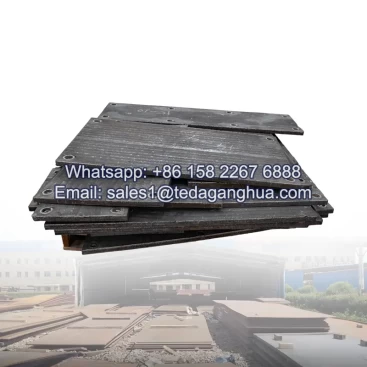
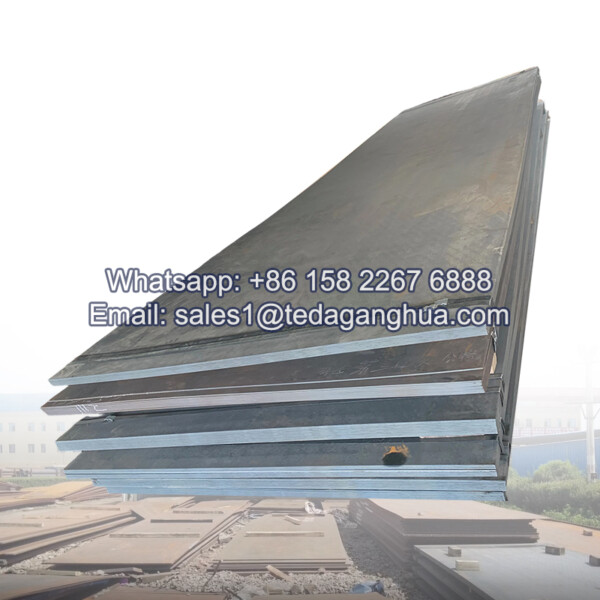
Hb500 Steel

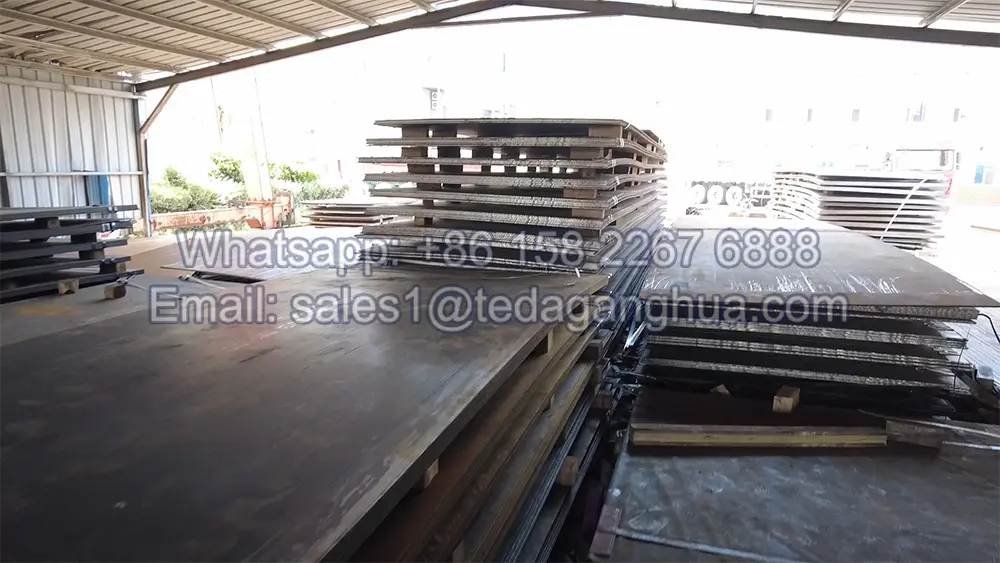
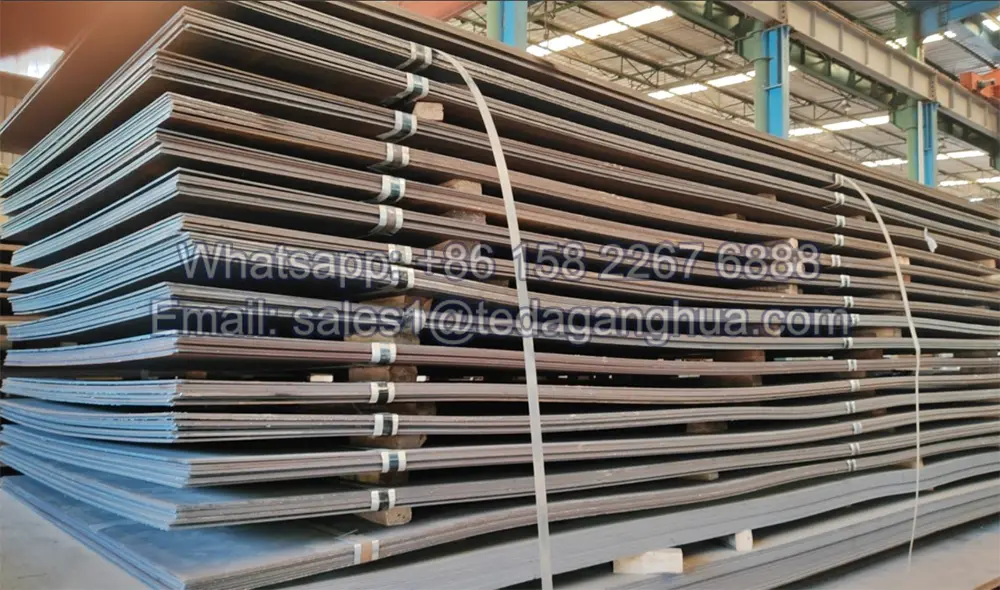
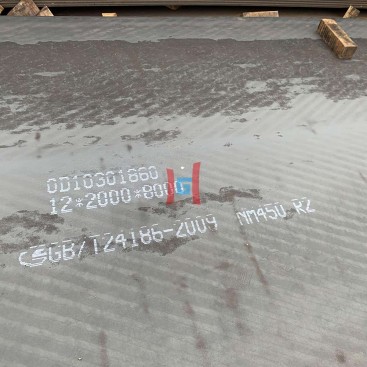
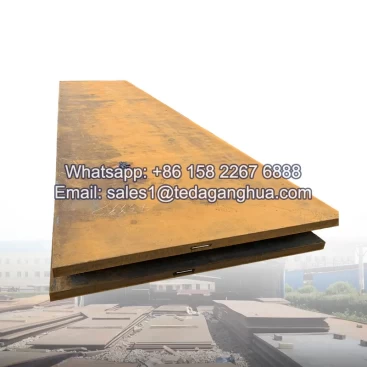
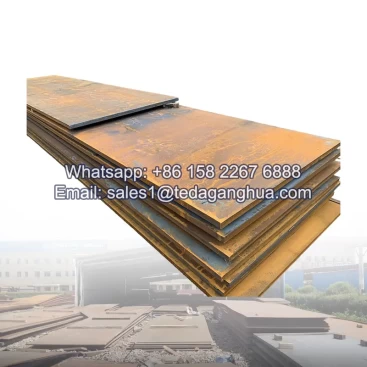
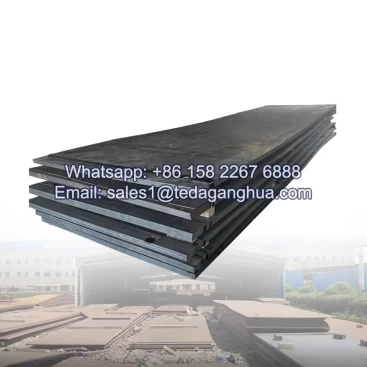
HB500 steel is a high-hardness wear-resistant material with a Brinell hardness around 500 HBW. It is engineered for extreme abrasion conditions where long service life and surface durability are critical.
Through its alloy composition and quenched-tempered microstructure, HB500 provides excellent resistance to wear in mining, cement, steel, and bulk material handling industries.
While it offers superior wear performance, it should be selected carefully in applications where abrasion is dominant and impact conditions are within controlled limits.
- Description
HB500 steel is a high-hardness wear-resistant steel grade designed for severe abrasion and impact conditions. The “HB500” designation refers to its typical Brinell hardness level around 500 HBW, which indicates excellent resistance to surface wear. It is widely used in mining, cement production, quarrying, steel plants, and bulk material handling equipment.
HB500 steel is usually produced through quenching and tempering processes to achieve a hard surface combined with a controlled level of toughness.
Chemical Composition of HB500 Steel
HB500 is an alloyed carbon steel with controlled elements to achieve high hardness and wear resistance:
| Element | Function |
|---|---|
| Carbon (C) | Provides hardness and strength |
| Manganese (Mn) | Improves toughness and wear resistance |
| Chromium (Cr) | Enhances abrasion and corrosion resistance |
| Molybdenum (Mo) | Stabilizes hardness under load |
| Nickel (Ni) | Improves impact toughness |
The combination of these elements ensures a balance between hardness and structural reliability.
Main Mechanical Properties of HB500 Steel
| Property | Performance |
|---|---|
| Hardness | ~470–530 HBW |
| Wear Resistance | Very High |
| Impact Resistance | Medium |
| Toughness | Medium |
| Weldability | Moderate (requires controlled procedure) |
| Formability | Limited |
HB500 is designed primarily for extreme abrasion resistance environments.
Why HB500 Steel Has High Wear Resistance
1. High Surface Hardness
- Strong resistance to abrasive particles
- Reduces cutting and surface erosion
- Extends service life in harsh environments
2. Quenched and Tempered Microstructure
- Fine martensitic structure
- Uniform hardness distribution
- Improved resistance to deformation and cracking
3. Alloy Strengthening Elements
- Chromium improves wear resistance
- Molybdenum stabilizes hardness
- Nickel enhances toughness under impact
Common Applications of HB500 Steel
Mining Industry
- Crusher liners
- Excavator bucket edges
- Hopper liners
- Ore transfer systems
Cement Industry
- Grinding mill liners
- Kiln feeding equipment
- Chute and hopper systems
- Material handling wear plates
Steel Industry
- Sinter plant equipment
- Coke handling systems
- Conveyor wear zones
- Heavy-duty transfer plates
Quarrying Industry
- Stone crushers
- Screening equipment
- Impact wear parts
- Material flow systems
Bulk Material Handling
- Truck bed liners
- Storage hoppers
- Conveyor impact zones
- Feed chutes
Advantages of HB500 Steel
- Extremely high wear resistance
- Long service life in severe conditions
- Suitable for heavy industrial environments
- Reduces maintenance and downtime costs
- Strong performance in abrasive applications
Limitations of HB500 Steel
- Lower toughness compared with lower hardness grades (HB400/HB450)
- More difficult machining and welding
- Not suitable for extremely high-impact-only conditions
- Requires proper fabrication techniques