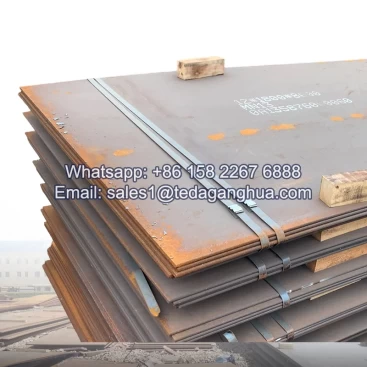
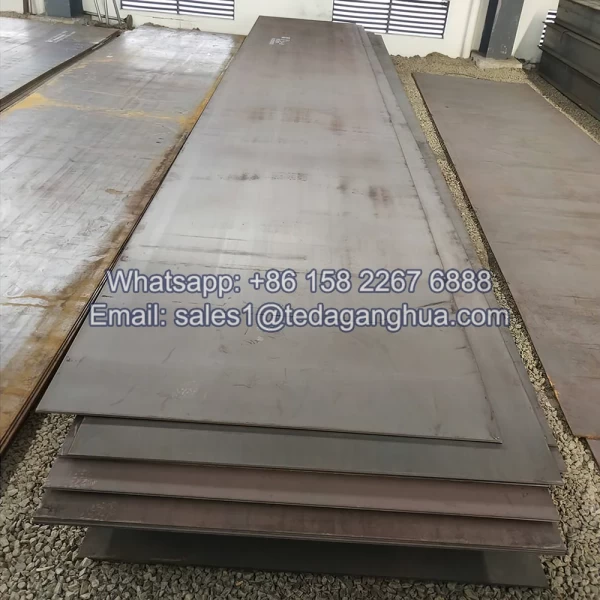
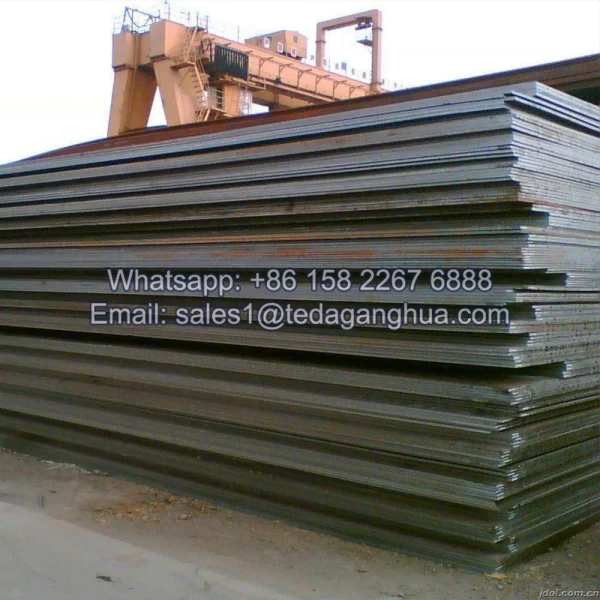
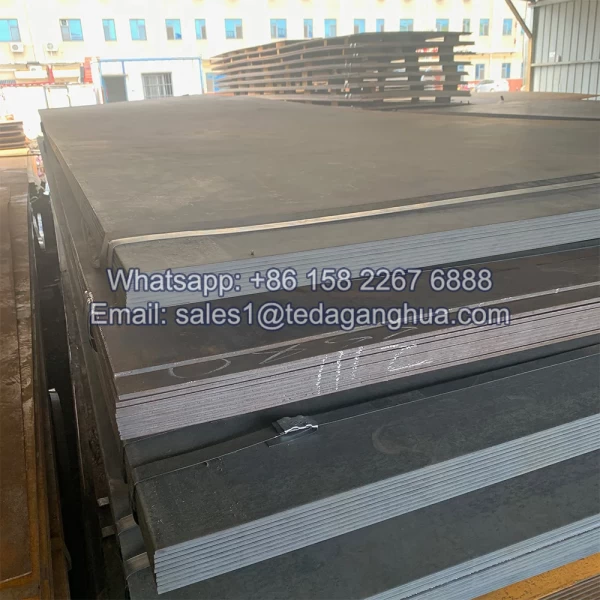
High Manganese Steel Plate


High manganese steel plates require specialized cutting, forming, and welding methods due to their toughness and work-hardening behavior. Proper inspection techniques, including visual, hardness, chemical, and ultrasonic testing, ensure the plates maintain high wear resistance and long service life.
These careful processing and quality control measures make high manganese steel plates ideal for mining, crushing, earth-moving, and heavy-duty industrial applications.
- Description
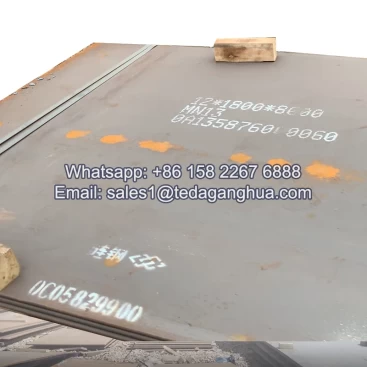
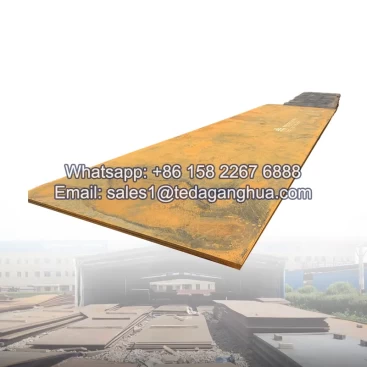
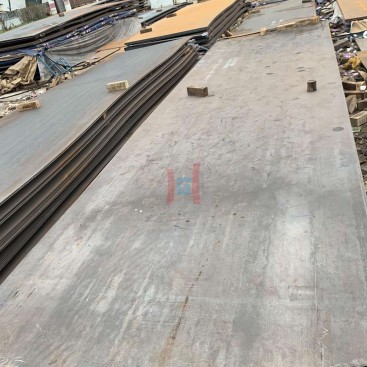
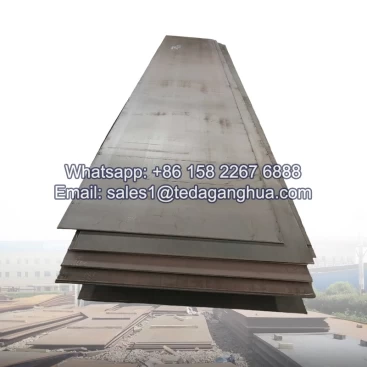
High Manganese Steel Plate is a wear-resistant austenitic steel known for its exceptional toughness, high work-hardening ability, and resistance to impact and abrasion. Due to these unique properties, the processing and inspection of high manganese steel plates require careful handling to maintain performance and service life.
Processing Methods
High manganese steel is difficult to machine in the solution-treated state because of its toughness. The most common processing methods include:
1. Cutting
-
Plasma Cutting: Suitable for thick plates, provides clean edges with minimal thermal distortion.
-
Oxy-Fuel Cutting: Can be used for medium and thick plates, but edge hardening may require additional grinding.
-
Laser Cutting: High precision for thinner plates; edges may require minor finishing.
2. Drilling and Punching
-
CNC Drilling and Punching: Recommended for precise holes; use carbide or high-speed steel tools.
-
Pre-heat Not Required: Manganese steel retains toughness; avoid tool overheating.
3. Bending and Forming
-
Cold Bending: High manganese steel can be bent cold, but large-radius bending is recommended to avoid cracking.
-
Hot Bending: Heating is generally not required, but moderate heating may reduce springback in thick plates.
4. Welding
-
Pre-Weld Preparation: Clean surface to remove scale or contaminants.
-
Welding Method: Use austenitic or matching manganese electrodes.
-
Post-Weld Treatment: Normalization is usually unnecessary; the weld zone will work-harden naturally during service.
Inspection Methods
Quality inspection is essential to ensure wear resistance and durability of high manganese steel plates:
1. Visual Inspection
-
Check for surface cracks, scale, and irregularities.
-
Ensure edges are clean after cutting and forming.
2. Hardness Testing
-
Measure solution-treated hardness: typically 180–220 HB.
-
Ensure work-hardened hardness can reach up to 500 HB in service.
3. Chemical Composition Analysis
-
Verify manganese, carbon, and alloying elements using spectrometry or chemical analysis.
-
Ensure compliance with X120Mn12 / DIN 1.3401 standards.
4. Ultrasonic and Radiographic Testing
-
Detect internal defects, inclusions, or voids, especially in thick plates.
5. Dimensional Inspection
-
Measure thickness, width, and length to confirm compliance with specifications.
-
Ensure flatness and surface quality before shipment.