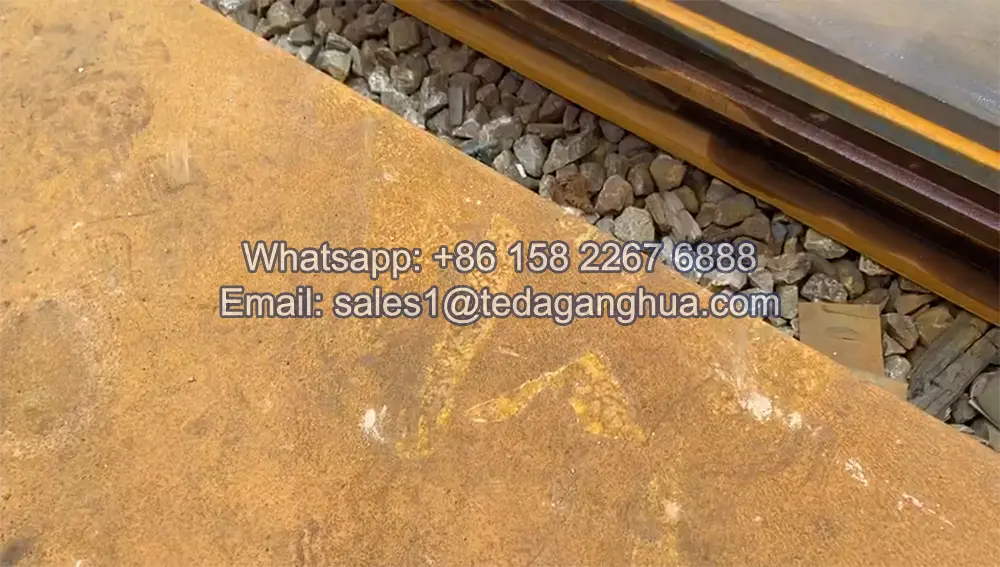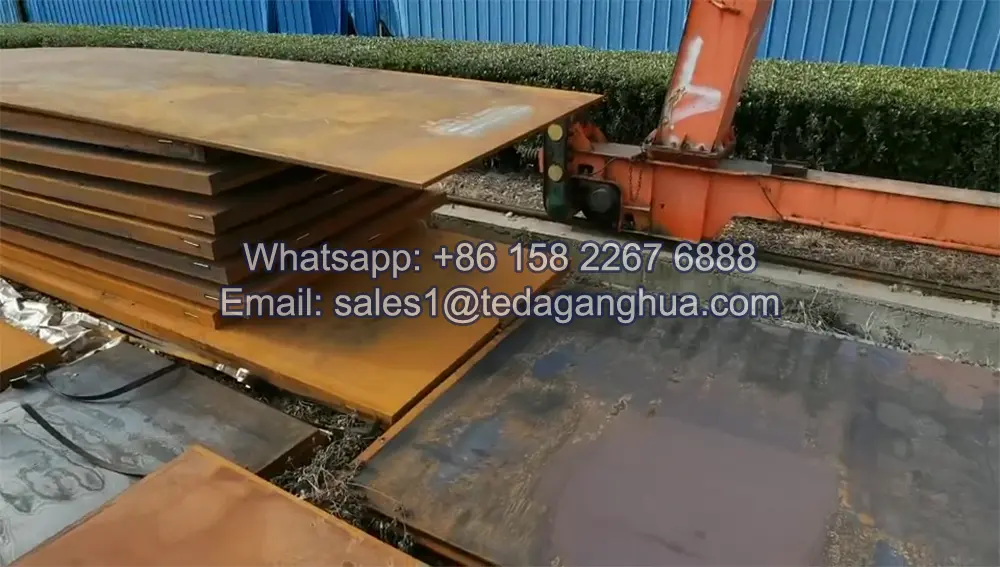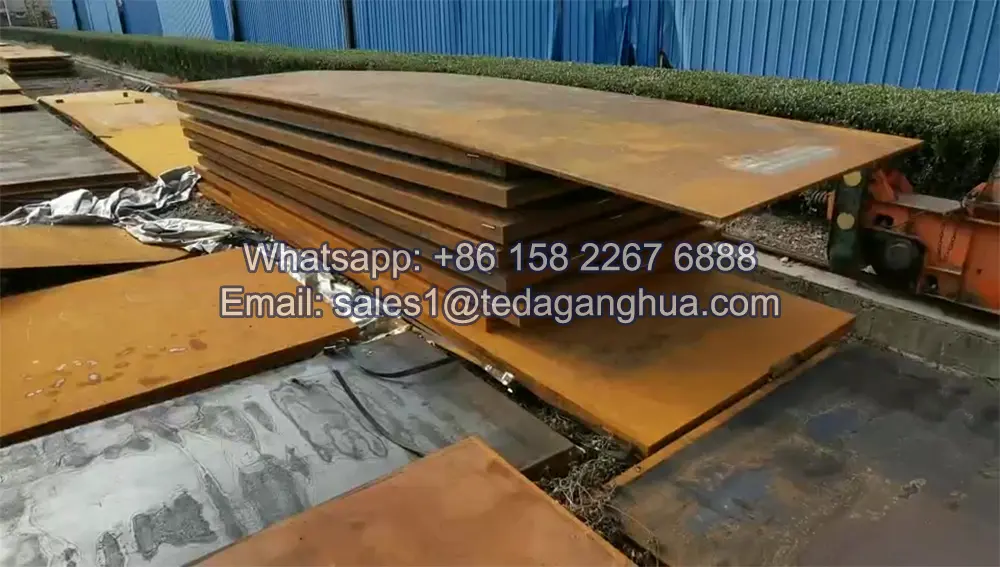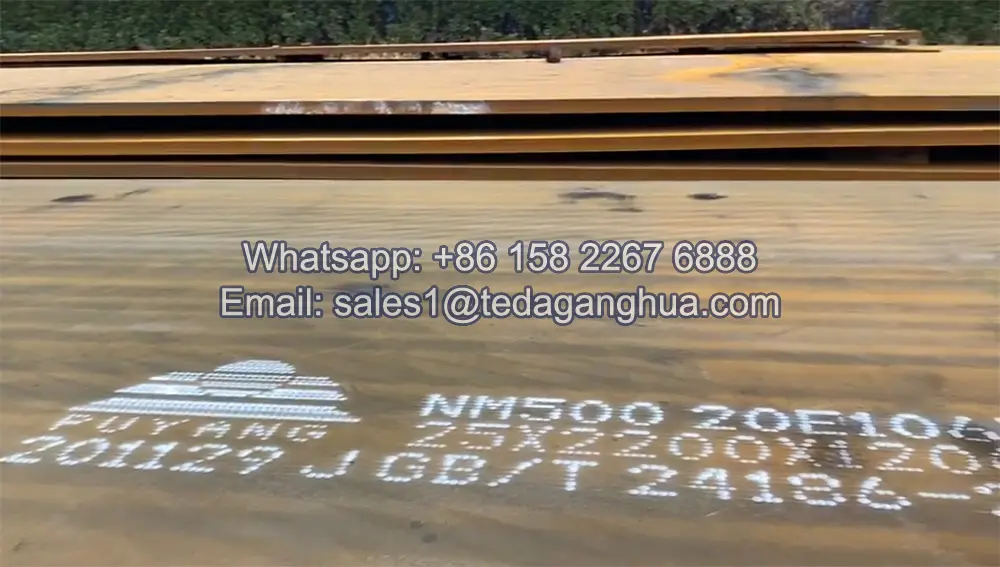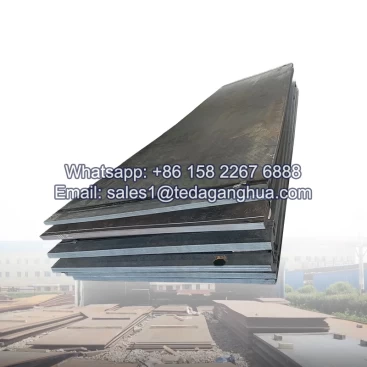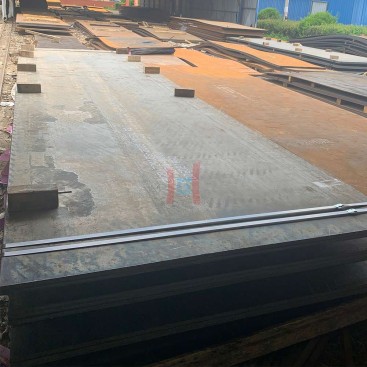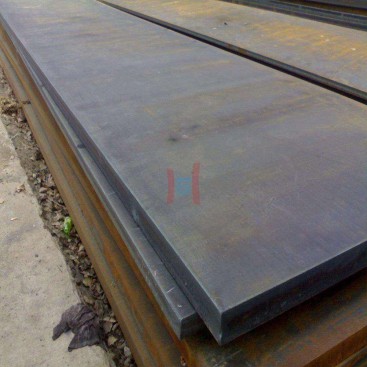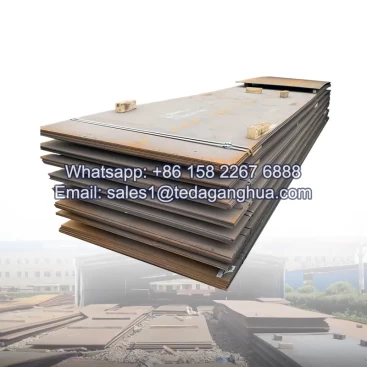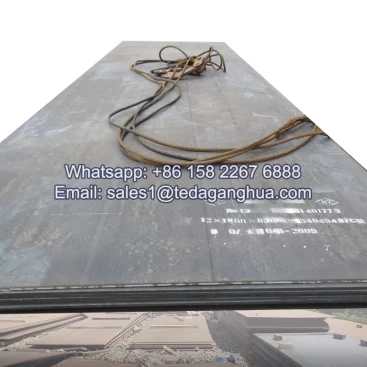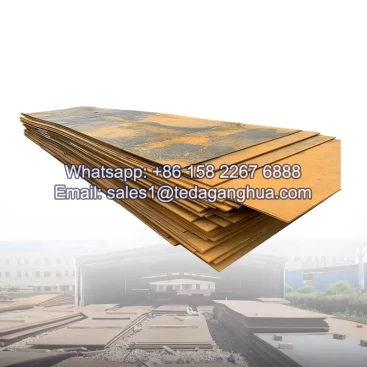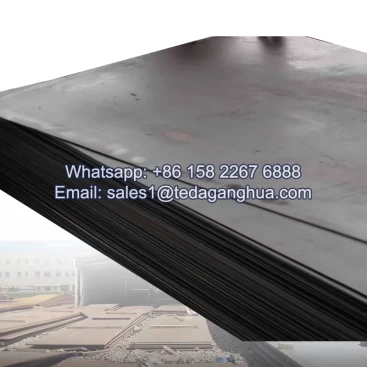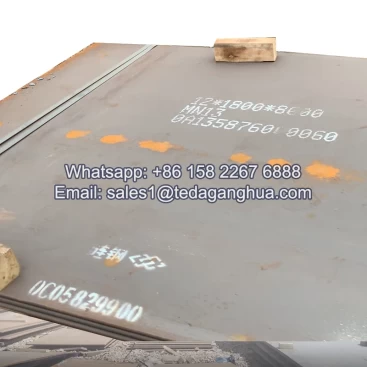
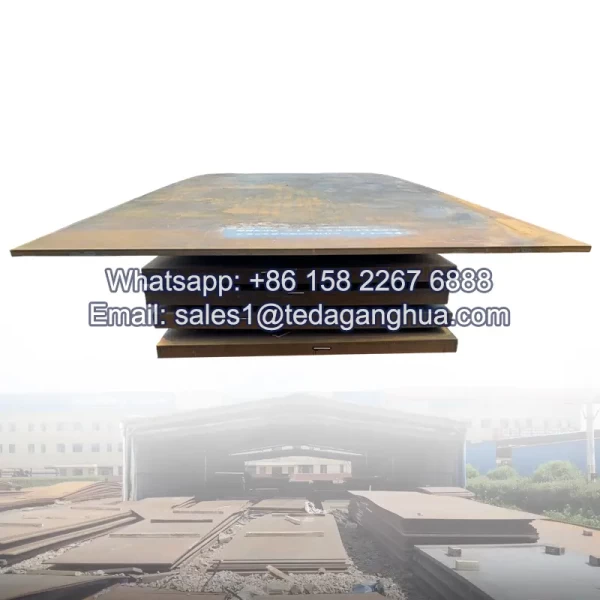
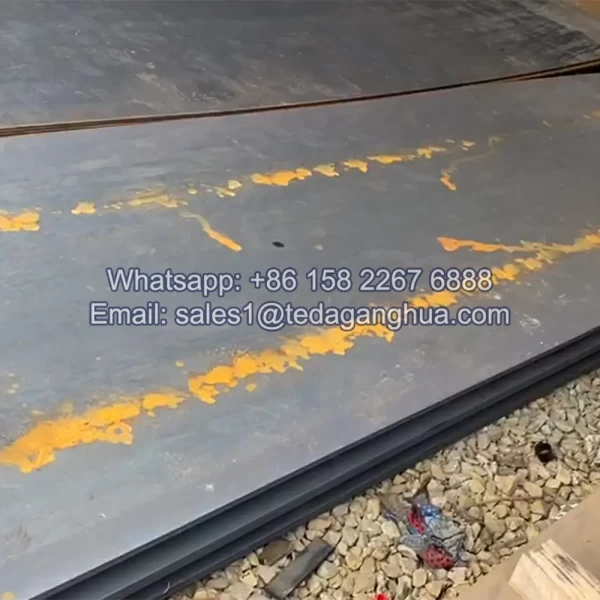
Manganese Wear Plate
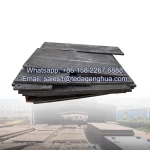

Manganese wear plate delivers exceptional performance where high impact, heavy shock and extreme compression forces exist. Its unique ability to work-harden during operation differentiates it from AR steel and carbide overlay plates, making it a preferred choice in dynamic mining and crushing environments.
For low-impact, high-abrasion conditions, materials such as AR500 and CCO plates may provide longer service life. However, in applications where equipment must absorb repeated impact without failure, manganese wear plate remains unmatched.
- Description
Manganese wear plate, commonly known as high-manganese steel (typically Mn13, Mn13Cr2 or similar grades with 11–14% manganese content), is a highly specialized wear-resistant material used in applications that experience heavy impact, shock loading and high compressive forces. It is widely used in mining, quarrying, construction machinery and metal recycling industries.
Unlike common abrasion-resistant materials, manganese steel has a unique work-hardening property, meaning the surface hardness increases significantly when subjected to repeated impact and pressure, while retaining internal toughness and ductility.
Key Performance Characteristics of Manganese Wear Plate
1. Work-Hardening Ability
Manganese steel begins with a relatively moderate hardness in the range of 180–220 HB, but under impact it can work-harden to 450–550 HB or even higher during service. This transformation results from crystal structure changes created by repeated impact.
2. High Impact and Crack Resistance
Because the internal core remains tough, manganese wear plates do not crack or break when exposed to heavy shock loads, unlike many high-hardness alloy plates.
3. Deformation Tolerance
Manganese wear plates can deform on impact, absorbing energy rather than fracturing—making them suitable for dynamic heavy-load environments.
Comparison with Other Wear-Resistant Materials
Performance Comparison Table
| Material | Initial Hardness (HB) | Service Hardness | Impact Resistance | Wear Type Best Suited | Crack Resistance |
|---|---|---|---|---|---|
| Manganese Wear Plate (Mn13 / Mn13Cr2) | 180–220 | Work-hardens to 450–550+ | Excellent | High impact, compression wear | Excellent |
| AR400 Alloy Steel | ~400 | Constant | Medium | Sliding abrasion | Medium |
| AR500 / Q&T Steel | ~480–550 | Constant | Medium to Good | Abrasion + moderate impact | Good |
| Chromium Carbide Overlay (CCO) Plate | 55–62 HRC (~600–720 HB) | Constant | Low to Medium | Extreme sliding abrasion | Low |
| Ceramic Wear Liners | 70–90 HRC (very high) | Constant | Very Low | Fine particle erosion | Very Low |
Performance Differences Explained
Impact vs Sliding Wear
-
Manganese wear plate is ideal for repeated impact and heavy shock conditions.
-
AR steels and CCO plates are more suitable for low-impact sliding abrasion where hard particles grind rather than strike.
Hardness Behavior
-
Manganese steel hardens during use, improving protection as wear increases.
-
AR steel and CCO plate hardness is fixed and cannot adapt to load conditions.
Failure Mode
-
Manganese steel bends and absorbs energy, resisting catastrophic failure.
-
Carbide and ceramic plates may crack or shatter under sudden impact.
Typical Application Scenarios
Manganese wear plates are widely applied in:
-
Jaw crusher and cone crusher liners
-
Grizzly bars, screen bars and chute impact liners
-
Excavator and loader bucket protection
-
Hammer mills, shredder hammers and recycling equipment
-
Rail track crossovers and heavy-load components