High Strength Steel


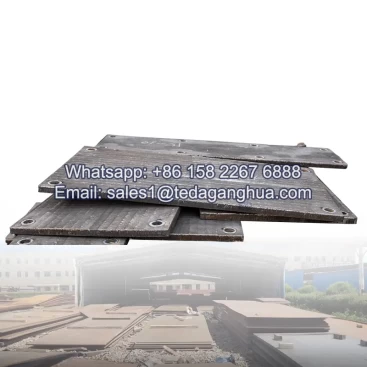
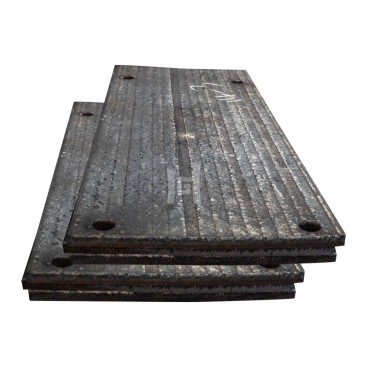
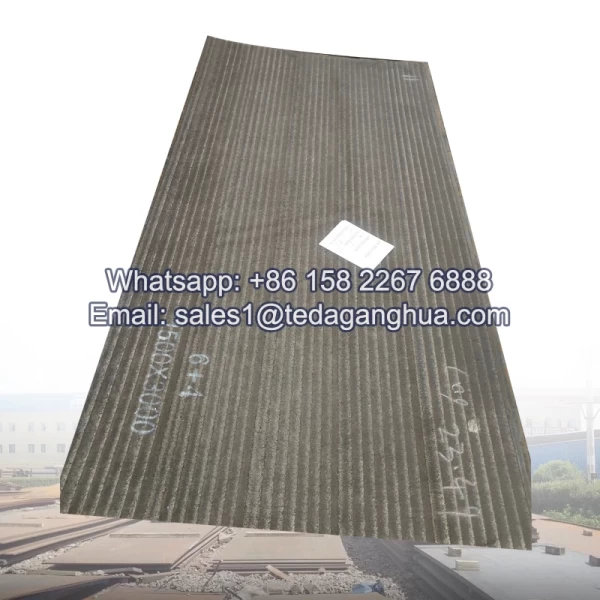
High strength steel hardfacing plates combine a tough steel substrate with a super-hard chromium carbide overlay.
This engineered structure delivers exceptional hardness, high load capacity, and long service life, making it one of the most effective wear-resistant materials used in heavy industry.
- Description
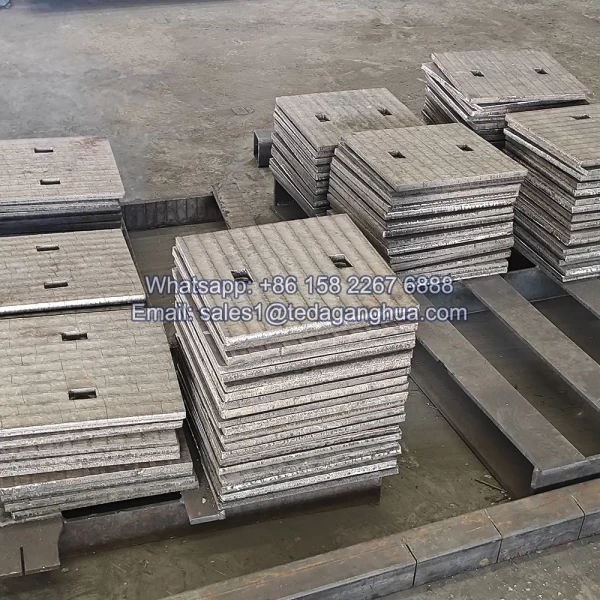
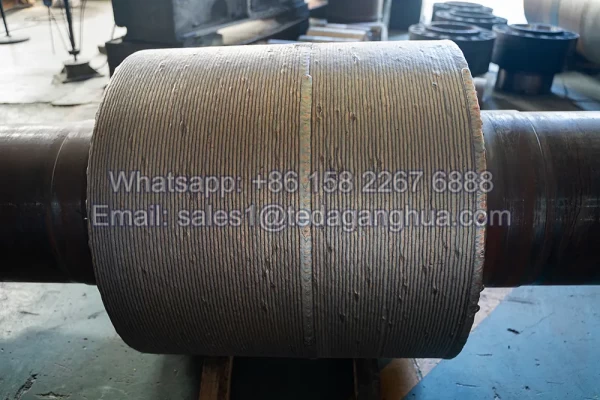
High strength steel hardfacing plates, also known as welded wear plates or chromium carbide overlay (CCO) plates, are engineered materials designed to operate under extreme abrasion, impact and heavy load.
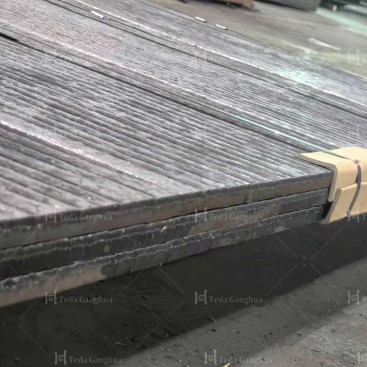
They are manufactured by welding a high-alloy wear-resistant layer onto a high-strength steel base plate, creating a composite structure that combines hardness and toughness.
Material Structure
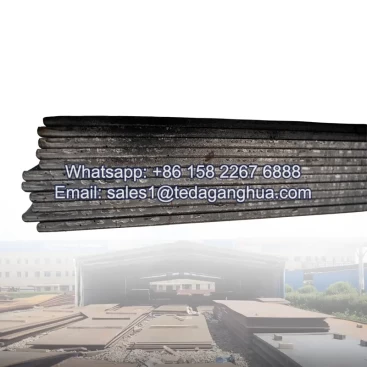
A hardfacing plate consists of two layers:
| Layer | Function |
|---|---|
| Wear layer (overlay) | Provides extreme abrasion resistance |
| Base steel plate | Provides structural strength and impact resistance |
The wear layer contains large amounts of chromium and carbon, which form chromium carbide crystals during welding.
Chemical Composition of Wear Layer
| Element | Typical Range |
|---|---|
| Carbon (C) | 3.0 – 5.5% |
| Chromium (Cr) | 18 – 28% |
| Manganese (Mn) | 0.5 – 2.0% |
| Silicon (Si) | 0.5 – 2.0% |
| Iron (Fe) | Balance |
These elements generate a dense network of hard chromium carbides, which gives the plate its extreme wear resistance.
Mechanical Performance
| Property | Typical Value |
|---|---|
| Surface hardness | HRC 55 – 65 |
| Microhardness of carbides | Up to HV 1800 |
| Abrasion resistance | 6–10 times higher than carbon steel |
| Impact resistance | Supplied by base plate |
| Load bearing capacity | High |
| Thermal stability | Up to 400–600°C |
High Strength Base Plate
The substrate is usually high-strength carbon or alloy steel, providing:
-
High tensile strength
-
Excellent toughness
-
Resistance to cracking
-
Ability to be welded and bolted
This base allows the hard wear layer to survive heavy mechanical stress.
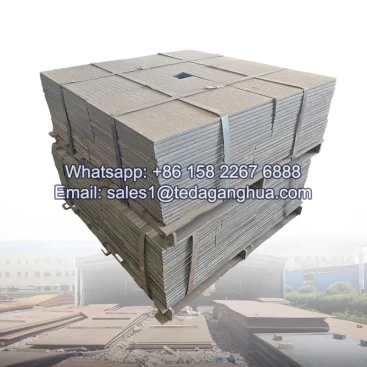
Standard Plate Sizes
Hardfacing wear plates are available in many formats:
| Item | Range |
|---|---|
| Standard sheet size | 1500 × 3000 mm |
| 1220 × 2440 mm | |
| Thickness of base plate | 4 – 25 mm |
| Thickness of overlay | 2 – 12 mm |
| Total thickness | 6 – 35 mm |
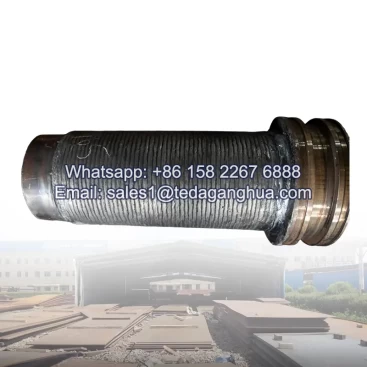
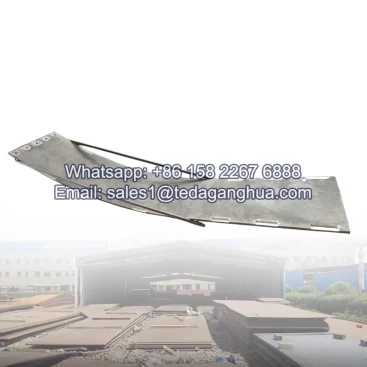
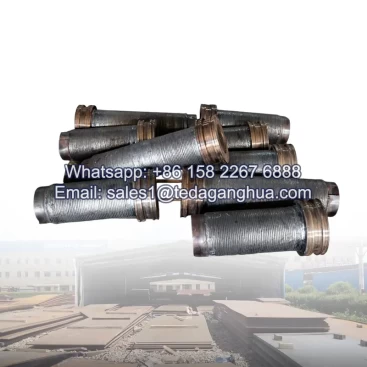
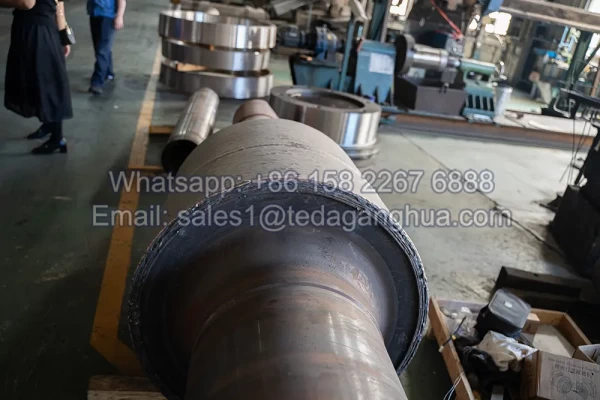
Plates can be cut, bent, drilled and welded to match equipment design.
Typical Applications
High strength welded wear plates are used in:
-
Mining and quarry equipment
-
Cement plants
-
Coal handling systems
-
Power plants
-
Steel mills
-
Bulk material conveyors
These systems require both mechanical strength and extreme wear resistance.